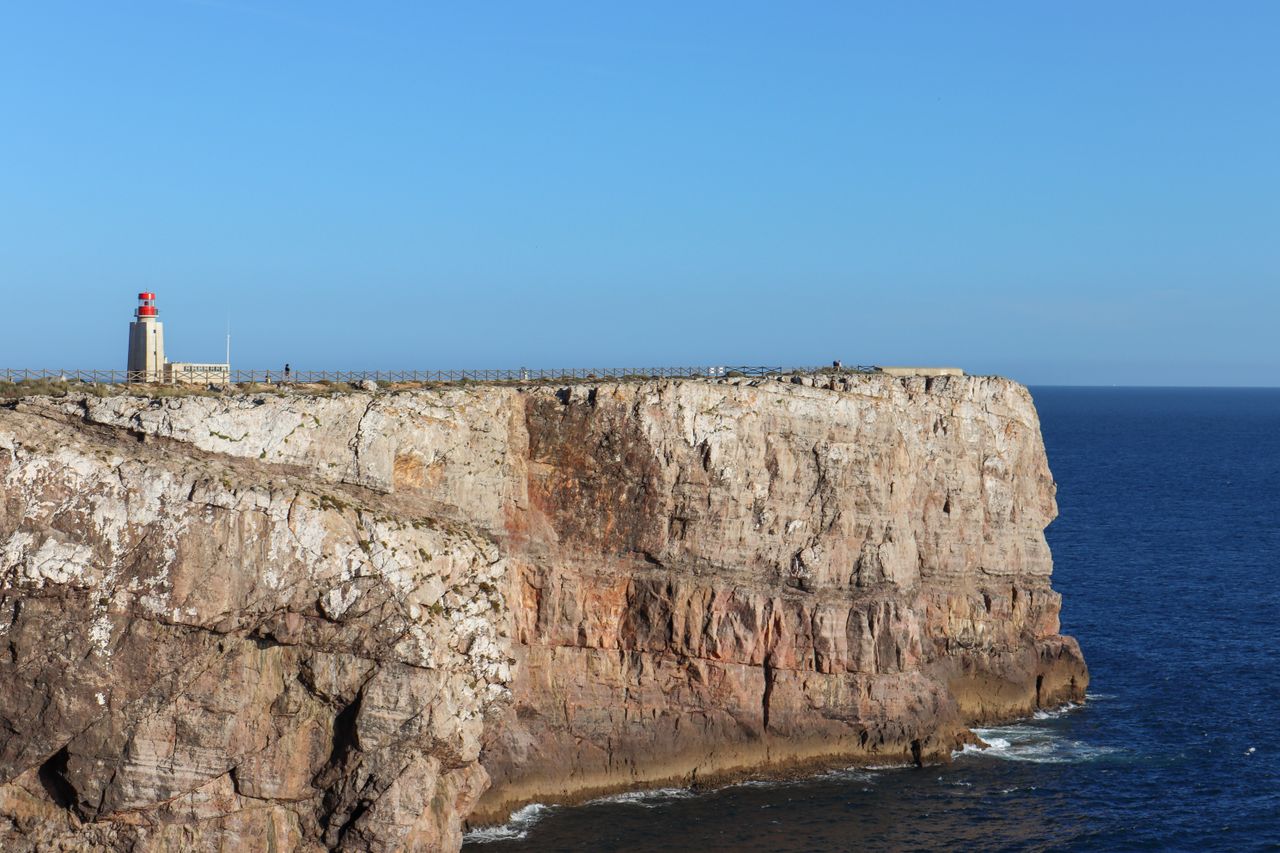
Portugal is small enough to cross by car in a day, yet it packs in tile-covered cities, wine valleys, wild Atlantic coastline and two volcanic archipelagos. Choosing where to go is the hard part. We have grouped the places below by the kind of trip they suit, and each entry links to our full guide so you can go deeper once you have a shortlist. For official planning information, the national tourism board runs Visit Portugal.
How we picked these places
We chose each place for a clear reason a traveller would act on: a sight you cannot see elsewhere, a beach or trail that justifies the journey, or a base that makes a wider region easy. We also weighted ease of access, because Portugal rewards trips that avoid long transfers. Lisbon, Porto, Coimbra, Aveiro, Braga and Faro all sit on the fast rail spine, while the Alentejo, Costa Vicentina and the islands reward a hire car or a flight.
The big three for a first visit
1. Lisbon
Portugal’s capital is spread over seven hills, with yellow trams, miradouro viewpoints, the Alfama and Belem. It has the best food scene in the country and the most day trips on its doorstep. Our Lisbon guide covers neighbourhoods and transport, and you can book a guided Lisbon tour before you arrive. Allow 3 to 4 days.
2. Porto
Porto stacks colourful houses above the Douro River, with port wine lodges across the bridge in Vila Nova de Gaia. It is compact and walkable, and works well as a long weekend. See the Porto guide and our Porto tours for river cruises and cellar visits.
3. Sintra
Sintra’s palaces and forested hills sit about 40 minutes from Lisbon by train. Pena Palace gets the crowds, but the gardens of Quinta da Regaleira reward a slower pace. Read the Sintra guide and book timed tickets early in summer.
Coast and beaches
4. The Algarve
The southern coast mixes golden limestone cliffs, sea caves and sheltered coves with long sandy beaches. Our Algarve region guide explains how the coast divides, and you can browse Algarve tours for boat trips to the caves.
5. Lagos
Lagos is the usual base for the Ponta da Piedade cliffs and the best beaches of the western Algarve. It has a walkable old town and plenty of places to stay. See the Lagos guide.
6. Tavira
Tavira is a calmer eastern Algarve town with a Roman bridge and boats to the barrier islands. It suits visitors who want beaches without the resort crowds. Start with the Tavira guide.
7. Cascais
A seaside town 40 minutes from Lisbon by train, Cascais works as a beach add-on or even as a base for the capital. Our Cascais guide has the details.
8. Nazare
Nazare is best known for some of the biggest surfable waves on earth in winter, and for its clifftop views and fishing heritage year-round. See the Nazare guide.
9. Costa Vicentina
For wild, empty beaches and clifftop trails, head to the southwest. The Costa Vicentina guide covers the coast and its long-distance walking routes.
History and heritage
10. Evora
Evora’s walled centre includes a Roman temple and the Chapel of Bones, and it sits in the middle of the Alentejo. It is the easiest cultural overnight outside Lisbon. Read the Evora guide.
11. Coimbra
Coimbra is home to one of Europe’s oldest universities, with a baroque library that draws long queues in summer. See the Coimbra guide for how to plan around them.
12. Obidos
Obidos is a walled medieval village an hour north of Lisbon, famous for ginjinha cherry liqueur served in chocolate cups. It is best as a day trip. Our Obidos guide has the practical details.
13. Guimaraes
Often called the birthplace of Portugal, Guimaraes has a well-kept medieval centre and hilltop castle. See the Guimaraes guide.
North, wine and nature
14. Douro Valley
Terraced vineyards fall to the river in the world’s oldest demarcated wine region. Visit in September and October for harvest. Our Douro Valley guide covers boats, trains and quintas.
15. Braga
Braga is a historic religious centre with baroque churches and the Bom Jesus staircase, an easy add-on to Porto or Guimaraes. See the Braga guide.
16. Peneda-Geres
Portugal’s only national park has granite peaks, waterfalls and Roman roads. It is hiking country, best from May to October. See the Peneda-Geres guide.
17. Aveiro
Aveiro’s canals and painted moliceiro boats earn it the “Venice of Portugal” label, though it feels much more relaxed. Day trip from Porto or stop on the way to Coimbra. See the Aveiro guide.
Islands
18. Madeira
Madeira offers year-round mild weather, the levada irrigation-channel walks and dramatic sea cliffs, with the capital Funchal as a base. Start with our Madeira island guide.
19. Sao Miguel, Azores
The largest Azores island has twin crater lakes at Sete Cidades, hot springs at Furnas and whale watching. See the Sao Miguel guide, and the wider Azores guide if you plan to island-hop.
20. Alentejo
Not an island, but the perfect counterpoint: a quiet region of cork forests, vineyards and whitewashed villages. Our Alentejo guide explains how to explore it by car.
Getting between the places
The Alfa Pendular and Intercidades trains link Lisbon, Coimbra, Porto and Faro, run by the national operator CP. Sintra, Cascais and Obidos are reachable by suburban train or bus from Lisbon, but the Alentejo, Costa Vicentina and Peneda-Geres are much easier with your own wheels. Madeira and the Azores need a flight, and the Azores islands are linked to each other by short domestic flights and a few seasonal ferries. Distances are small, so a week can cover three or four stops comfortably, whereas ten days allows five or six.
Mistakes to avoid
- Trying to see everything. Two or three bases with day trips beat seven hotels in seven nights.
- Visiting Sintra on a summer weekend. Go on a weekday, arrive early and book timed tickets.
- Assuming the Algarve is one place. The west coast is wilder and cooler, the east is calmer and warmer, and the centre is resort territory.
- Skipping the shoulder season. May, June, September and October give the best balance of weather, prices and crowds.
How to choose
- One week, first time: Lisbon, Sintra, Porto, plus Obidos or Coimbra on the way.
- Beach holiday: Algarve base at Lagos or Tavira, with a Lisbon add-on.
- Nature and walking: Madeira, Peneda-Geres, Douro Valley or the Azores.
- Quiet and local: Alentejo, Evora, Viana do Castelo and the Costa Vicentina.
If you are still undecided, start with the three big names and add one coastal stop; that mix suits almost every first-time budget and season. Timing matters as much as place. Our best time to visit Portugal guide explains the seasons, and how many days in Portugal will help you decide how many places to fit in. For routes that link several stops, see our 5 days in Portugal plan or the 1 week itinerary. Prices and opening times change, so check current details before booking, as of 2026.