Food & Drink
Portuguese Petiscos Guide - What to Order and Where to Eat
Petiscos are Portugal's small plates — not tapas, but a distinct sharing tradition. What to order, what to pay, and the best bars in Lisbon and Porto.
Portuguese Cuisine
Portuguese food is one of Europe's most underrated cuisines. It is shaped by the Atlantic: cod, sardines, octopus, clams, and fresh fish are central to the diet everywhere from Lisbon to Porto to the Algarve. Olive oil, garlic, and coriander underpin most savoury cooking. The influence of the former Portuguese empire is visible in the use of spice, particularly piri-piri (brought from Africa) and the cinnamon that appears in pastries.
Eating well in Portugal costs less than in most Western European countries. A full lunch at a tasca (traditional restaurant) with bread, wine, and a main course runs €10–15. Pastéis de nata are under €2. The tasting menu at a Michelin-starred restaurant in Lisbon runs €80–150 per person: significantly less than equivalent restaurants in Paris or London.
Each city guide includes a dedicated food page covering must-eat dishes, local specialities, and where to eat them.
Albufeira
Food guide →
Almada
Food guide →
Aveiro
Food guide →
Beja
Food guide →
Braga
Food guide →
Cascais
Food guide →
Coimbra
Food guide →
Évora
Food guide →
Faro
Food guide →
Guimarães
Food guide →
Lagos
Food guide →
Nazaré
Food guide →
Óbidos
Food guide →
Setúbal
Food guide →
Sintra
Food guide →
Tavira
Food guide →
Tomar
Food guide →
Viana do Castelo
Food guide →
Eight dishes that define Portuguese cuisine, from street corners to regional specialities.
Portugal's most iconic food. A flaky pastry shell filled with creamy egg custard, dusted with cinnamon and icing sugar, baked until the top is lightly scorched. The original Pastéis de Belém (Antiga Confeitaria de Belém, Lisbon) has used the same recipe since 1837. Available at every pastelaria in the country for under €2.
The defining ingredient of Portuguese cooking. Salt cod has been eaten in Portugal since the 15th century, with 365 different bacalhau recipes said to exist, one for every day of the year. Bacalhau à Brás (shredded with egg and potato), Bacalhau com Natas (with cream), and Bacalhau à Lagareiro (oven-baked with olive oil and potatoes) are the most common forms.
Porto's signature dish: a layered sandwich of bread, ham, linguiça, steak, and melted cheese, smothered in a thick, spiced tomato-beer sauce and served with chips. Invented in Porto in the 1950s. Heavy, rich, and unapologetic. Try it at Café Santiago or Bufete Fase.
The emblematic dish of the Algarve: a copper clam-shell vessel used to steam clams, prawns, chorizo, tomatoes, and white wine together. The sealed copper pot concentrates the flavours. Found throughout the Algarve coast, particularly in Lagos and Olhão.
A simple, comforting soup of kale (couve-galega), potato, olive oil, and thin-sliced chouriço. A northern Portuguese staple, traditionally made with the dark, long-leafed Galician cabbage shredded into fine ribbons. Served at queimadas and celebrations across the country.
A marinated pork slice in a small roll (papo-seco), seasoned with white wine, garlic, and piri-piri. Simple, cheap, and deeply satisfying. A street food staple at pastelarias and tascas throughout Portugal. Lisbon's Bifanas at Cervejaria Trindade are particularly well-regarded.
Clams steamed open in white wine, garlic, olive oil, and fresh coriander. Named after a 19th-century poet. One of the cleanest, most flavourful ways to eat clams. Order it in any tasca with a basket of bread to mop up the sauce.
June and July are sardine season. Fresh Atlantic sardines grilled over charcoal, served whole with bread and salad. The Feast of Saint Anthony (13 June, Lisbon) centres on grilled sardines eating in the streets. Quality drops sharply outside peak season.
The restaurant capital of Portugal. Michelin-starred restaurants (Belcanto, Alma), the Mercado da Ribeira food hall, and thousands of tascas in Alfama and Mouraria. The pastelaria culture is strongest here: pastéis de nata at Manteigaria and the original Pastéis de Belém.
Food guide to Lisbon →Home of the francesinha, tripas à moda do Porto (tripe with white beans: the city's original signature dish), and the Mercado do Bolhão. Porto's food scene is earthy and portions are generous. The wine cellars in Vila Nova de Gaia for post-dinner Port wine tastings.
Food guide to Porto →The Algarve is the home of the cataplana and the best fresh seafood in Portugal. Olhão has two covered fish and vegetable markets alongside the best marisqueira (seafood restaurants) in the region. Lagos and Tavira have strong restaurant scenes for the size of the towns.
Food guide to the Algarve →In-depth guides to Portuguese cuisine, wine, and dining culture.
Petiscos are Portugal's small plates — not tapas, but a distinct sharing tradition. What to order, what to pay, and the best bars in Lisbon and Porto.

Best restaurants in Braga by neighbourhood: Praça da República, Maximinos, and the historic centre. With recommended dishes, prices, and opening hours.
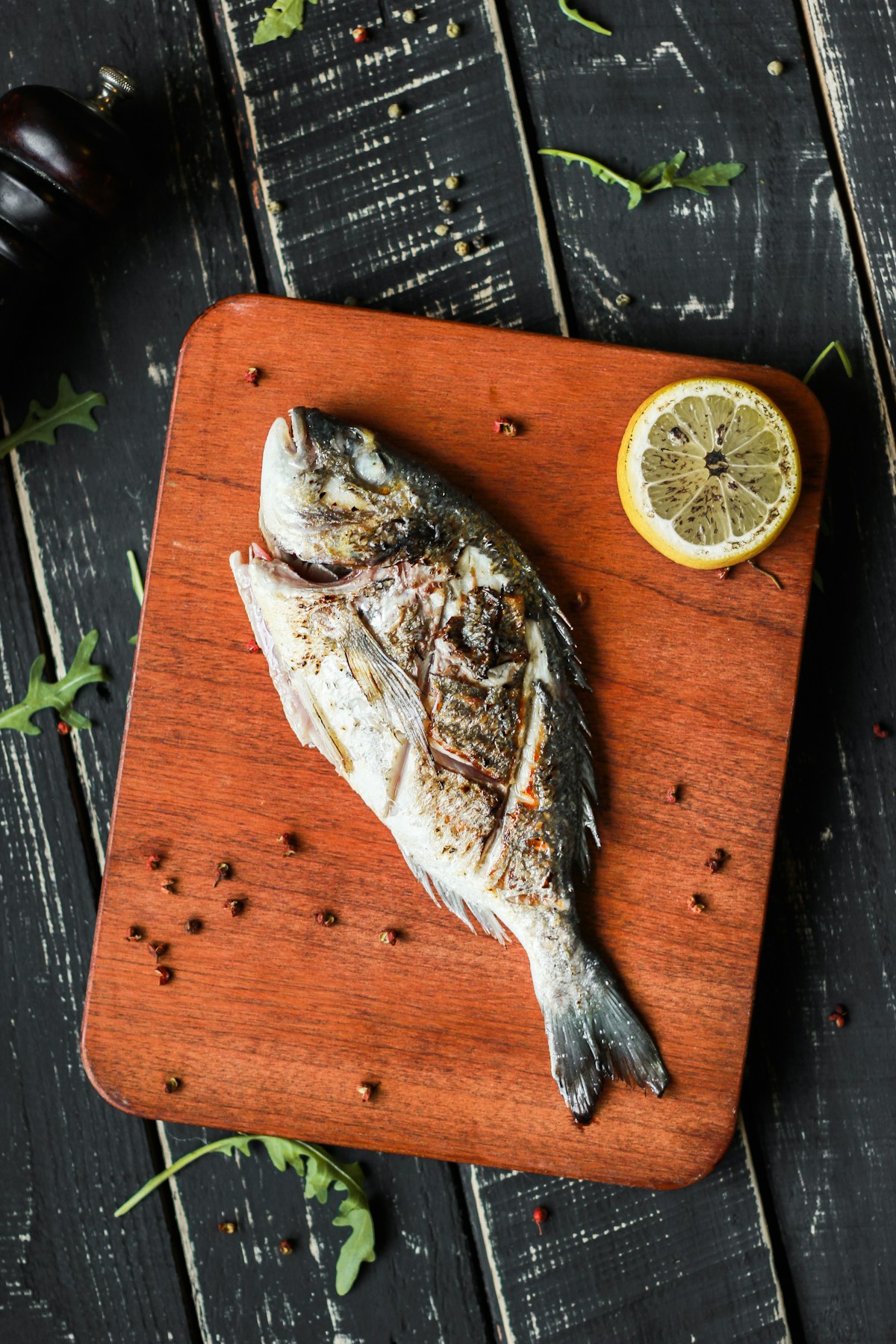
Bacalhau is Portugal's salt cod: the 365-recipe myth explained, best dishes to order (Bacalhau à Brás, Gomes de Sá) and where to eat it across Portugal.
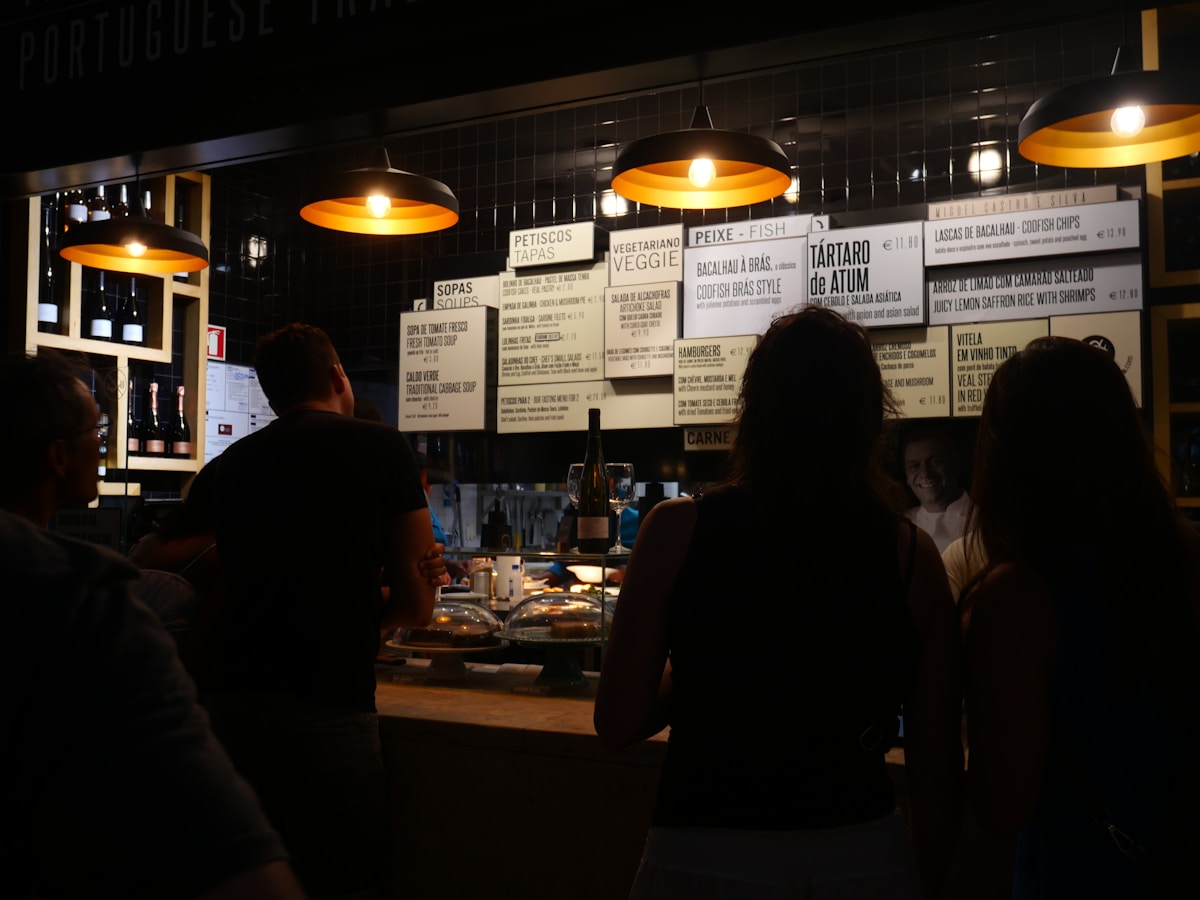
Best restaurants in Lisbon by neighbourhood - Alfama, Chiado, Mouraria, Belém, and Intendente, with price guidance and what to order.
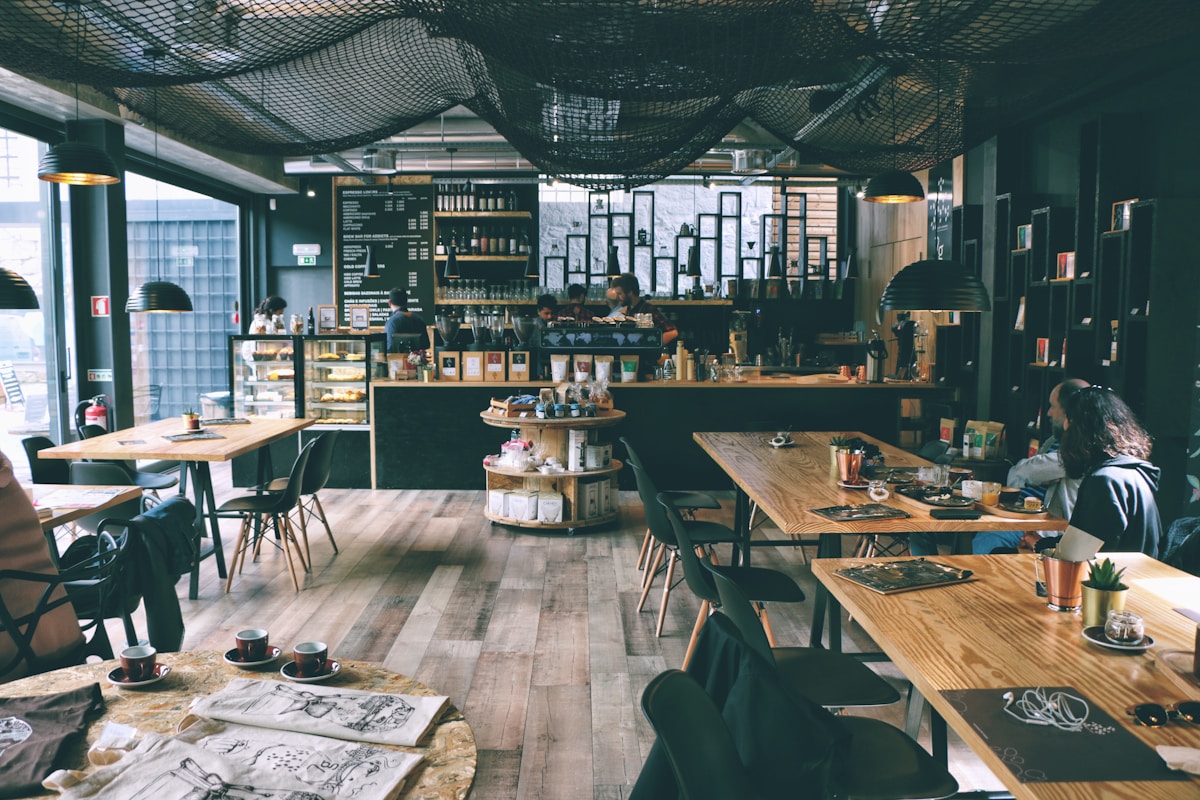
Best restaurants in Porto by neighbourhood - Ribeira, Cedofeita, Matosinhos, Boavista - plus the francesinha trail and where to find the best version.
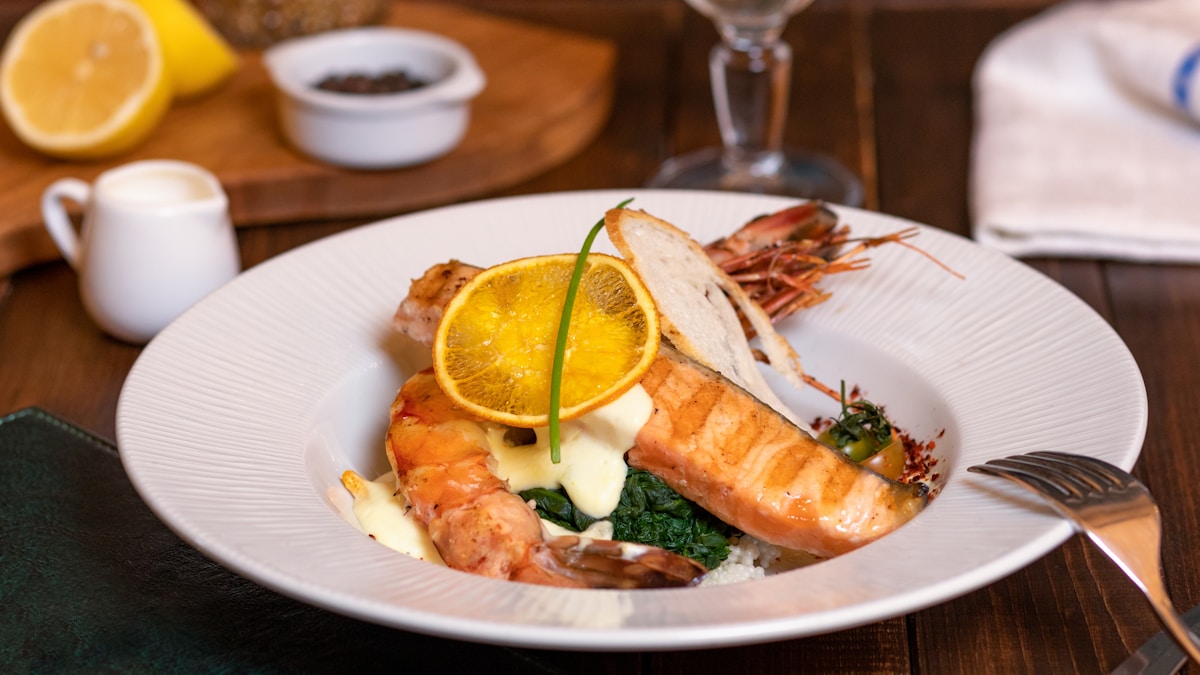
Complete Portuguese food guide - from pastéis de nata to bacalhau, francesinha to cataplana - the 30 essential dishes and where to eat them.
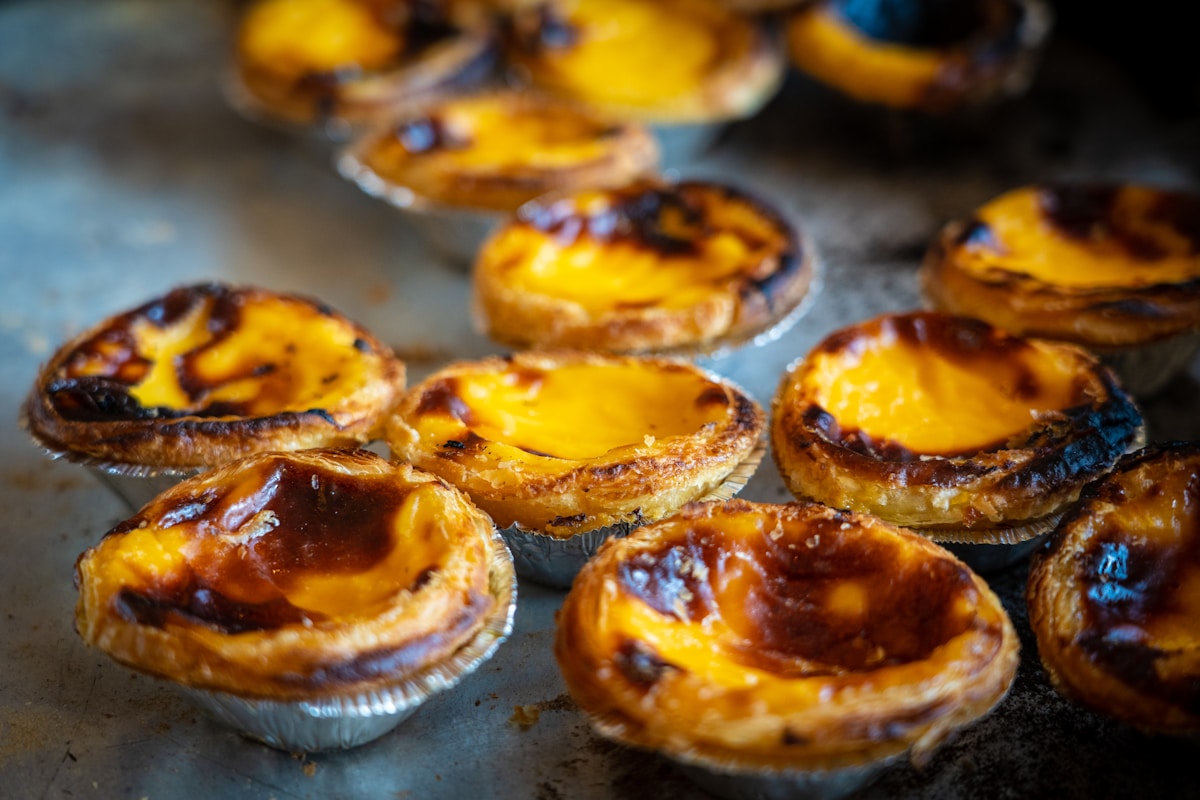
Guide to Portuguese pastry and cake - pastéis de nata, travesseiros, queijadas, toucinho do céu, pão de ló, ovos moles, and pastel de tentúgal.
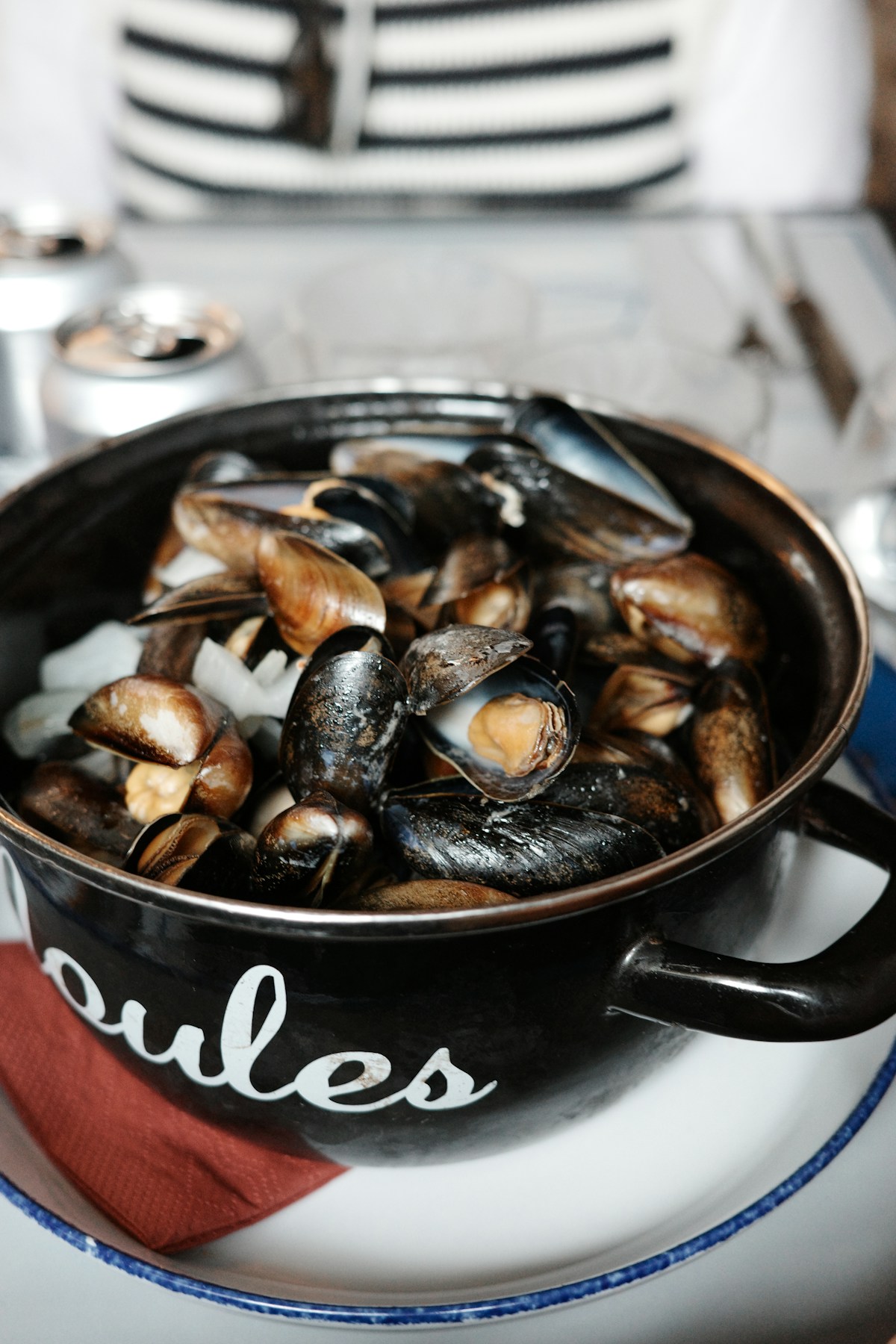
Percebes, amêijoas, lingueirão, polvo, and caldeirada: what Portuguese seafood to order, what to expect, and what to pay. Coastal and Lisboa options.
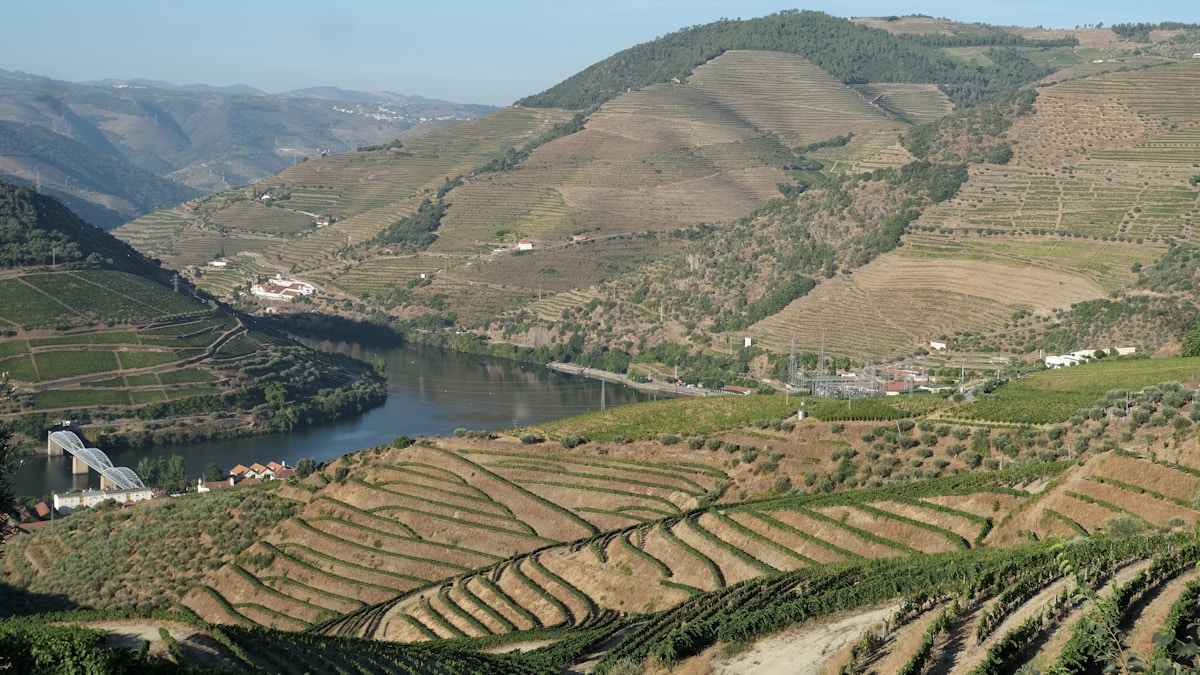
Portuguese wine regions explained - Port wine, Vinho Verde, Alentejo reds, Dão, Douro table wines, and where to taste them across Portugal.
Book an experience
Taste pastéis de nata, petiscos, and regional specialities on a guided food tour.
Book experiences in Portugal