São Miguel Island Guide - Azores Crater Lakes & Whale
Sao Miguel: Sete Cidades crater lakes, Furnas hot springs, whale watching, and kayaking. The Azores' largest island - 2-hour flights from Lisbon.
Guides for São Miguel
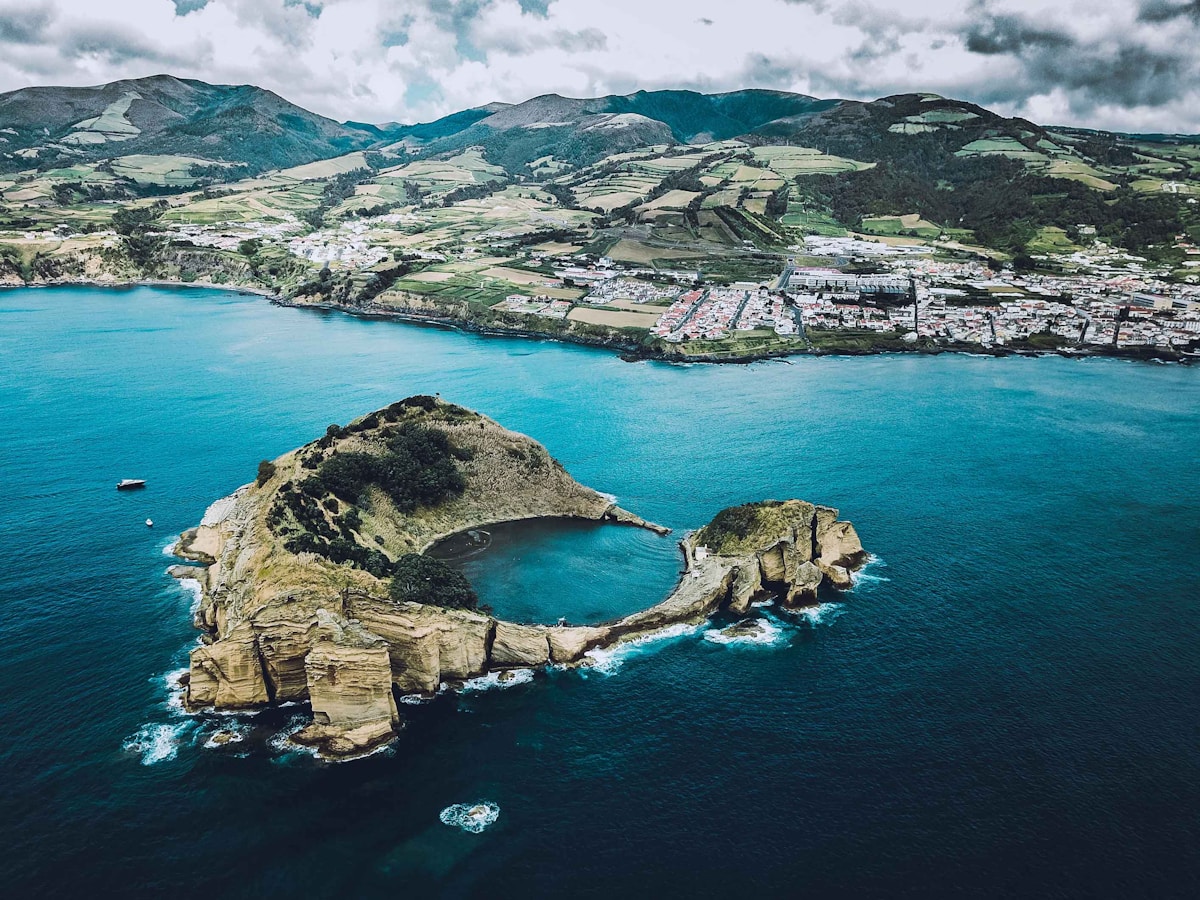
São Miguel is the largest of the nine Azores islands at 746km², with a population of 138,000. The capital, Ponta Delgada, holds about 68,000 of those. The island sits roughly 1,500km west of Lisbon in the North Atlantic, technically part of Portugal but geologically part of the Mid-Atlantic Ridge - the same tectonic zone that makes Iceland.
The landscape reflects this: calderas filled with crater lakes, valley floors that boil, and hot springs warm enough to cook in. Combined with reliable whale sightings and a working tea plantation, São Miguel offers more concentrated activity per square kilometre than almost anywhere else in the Atlantic.
Getting There
Ponta Delgada Airport (PDL) receives direct flights from Lisbon (2h, SATA and TAP), and seasonal routes from London, Manchester, and other UK airports (Ryanair). Transatlantic flights from Boston operate via Cape Verde Airlines and SATA.
From the airport, Ponta Delgada is 5km west. Taxis are the standard option (~€10). There is no rail network on the island. Renting a car makes sense for any full-island exploration - the main sights are spread across the island and not served by regular bus. See our Azores car rental guide for Ponta Delgada Airport pickup details, seasonal pricing, and island-by-island coverage.
Sete Cidades
The twin crater lakes of Sete Cidades occupy a 4km-wide caldera in the western part of the island. The two lakes - separated by a narrow bridge - are different colours: one deep blue, one green. This is not a myth. The colour difference is real and is caused by differing algae populations and light angle.
The best viewpoint is Vista do Rei, a lookout on the caldera rim. Drive up (16km from Ponta Delgada), or hike the rim circuit - 8km, approximately 3 hours, with views across both lakes throughout.
From the valley floor, kayaking the lakes costs around €30 for 2 hours and launches from the village inside the caldera.
Furnas
Furnas sits in a volcanic valley in the eastern part of São Miguel, about 40km from Ponta Delgada. The valley floor has a field of boiling mud pools - Caldeiras das Furnas - open to walk around for free. The smell of sulphur is sharp; the ground in places is uncomfortably warm underfoot.
The main event at Furnas is lunch. Buried in the ground beside the caldeiras are cast-iron pots containing a slow-cooked stew of pork, blood sausage, chicken, potatoes, and vegetables. The pots go in at 7am and come out at 1pm - six hours cooked by geothermal heat. This dish is cozido das Furnas, and it is specific to this valley. The main restaurant serving it is Tony’s - arrive by 12:30, as the pots are carried from the ground to the restaurant at 1pm. Queue forms early.
Thermal baths at Furnas: Poça da Dona Beija (outdoor thermal pools, €8, open until midnight but crowded after dark) and the more upmarket Terra Nostra garden pool inside the Terra Nostra Boutique Hotel.
Search hotels in São Miguel Azores on Booking.com to compare rates and availability.
Lagoa do Fogo
Central São Miguel. A crater lake at 590m elevation, no buildings within the caldera. A 5km return hike descends from the EN3 road to the lake shore. The path is steep in sections. The lake is cold and swimmable. Allow 2 hours return.
Whale Watching
The Azores is one of the most reliable whale-watching destinations in the world. The deep water close to shore provides habitat for sperm whales year-round, and the migration routes of blue whales, fin whales, and humpbacks pass through the area seasonally.
Operators on São Miguel: Futurismo, SATA Whale Watch, Moby Dick Tours. Tours run 3–4 hours and cost €60–80. The best season is April–October; blue whales are most common March–May. Operators quote sighting rates of around 95% on good-weather days. For a full breakdown of species, seasons, and how to book, see our Azores whale watching guide.
All boats use vigia (traditional shore-based lookouts using binoculars) to spot whales before the boats leave the harbour - a system inherited from the island’s whaling era.
Gorreana Tea Plantation
The oldest working tea plantation in Europe, on the north coast near Maia. Tea has been grown here since 1883. Free to visit and walk the terraced tea gardens. A small café serves tasting cups of the plantation’s green, orange pekoe, and black teas. The plantation shop sells whole teas, more useful than most tourist purchases.
Ponta Delgada
The main city is worth half a day. The Portas da Cidade (City Gates, 18th century) front the main square. The Igreja Matriz de São Sebastião (15th-century, black basalt and white plaster) faces the waterfront. The Fort of São Brás houses a free military museum.
The city’s pedestrianised centre has good coffee. Avoid the obvious tourist restaurants on the waterfront square; the side streets have better food at lower prices.
When to Visit
June–September is the driest, warmest period (18–24°C). Outside that window, rain is frequent and temperatures drop to 14–17°C. The island is never truly cold, but the landscape can be misty and grey in winter. Whale watching is possible year-round but peaks with weather reliability in the summer months. Carry a waterproof jacket regardless of season. See our São Miguel things to do and São Miguel hotels guides for detailed planning.
For guided experiences on São Miguel, browse tours in São Miguel - whale watching, Sete Cidades caldera walks, and Furnas thermal valley tours are the most popular.
an eSIM for Portugal works across the Azores and Madeira, giving you mobile data for navigation and booking updates. Consider travel insurance for island hiking and water activities.
Azores vs Madeira
Choosing between the two island groups? See our Madeira vs Azores comparison - it covers landscape type, accessibility, activities, and who each destination suits. For the Azores itinerary, our Azores island-hopping guide covers how to combine São Miguel with Terceira, Faial, and Pico. For the full archipelago picture, see the Azores region guide. Whale watching operators on São Miguel are covered in depth in our whale watching Azores guide, with sighting rates and species by month. For the best months to visit - June through September for clear calderas and reliable whale sightings - Portugal in June and Portugal in September cover the Azores in the wider national seasonal context.
Frequently Asked Questions
- Does it rain a lot in São Miguel?
- Yes. The Azores sit in the mid-Atlantic and catch frequent rain year-round. Pack a waterproof jacket even in summer. June–September is the driest and warmest window.
- How do I get to São Miguel from Lisbon?
- SATA and TAP operate direct flights from Lisbon to Ponta Delgada (PDL) in around 2 hours. Ryanair runs seasonal routes from UK airports.
- Is whale watching reliable in the Azores?
- Operators report sighting rates of around 95% from April–October. Sperm whales are resident year-round; blue whales and humpbacks pass through seasonally.
Book an experience
Top experiences in São Miguel
Explore the best tours and activities in São Miguel, with instant confirmation and free cancellation on most bookings.
Where to stay in São Miguel: Find hotels in São Miguel →