Porto Travel Guide - Ribeira, Port Wine & Getting Around
Porto travel guide - Ribeira waterfront, Port wine cellars in Gaia, São Bento station tiles, Douro Valley day trips, and where to stay.
Guides for Porto
Porto is Portugal’s second city, with a population of around 238,000 in the city proper and 1.7 million in the metropolitan area. It sits at the mouth of the Douro River, which has served as the main artery for trade between the interior of Portugal and the Atlantic for centuries. That trade - particularly in Port wine - gave the city much of its architectural character: the granite-built warehouses, tile-faced townhouses, and heavy baroque churches that define central Porto.
The Ribeira waterfront and parts of the historic centre have been UNESCO World Heritage listed since 1996. The city has developed considerably as a tourist destination since then, but retains a functioning, non-precious urban character that visitors consistently find more manageable than Lisbon.
Neighbourhoods
Ribeira
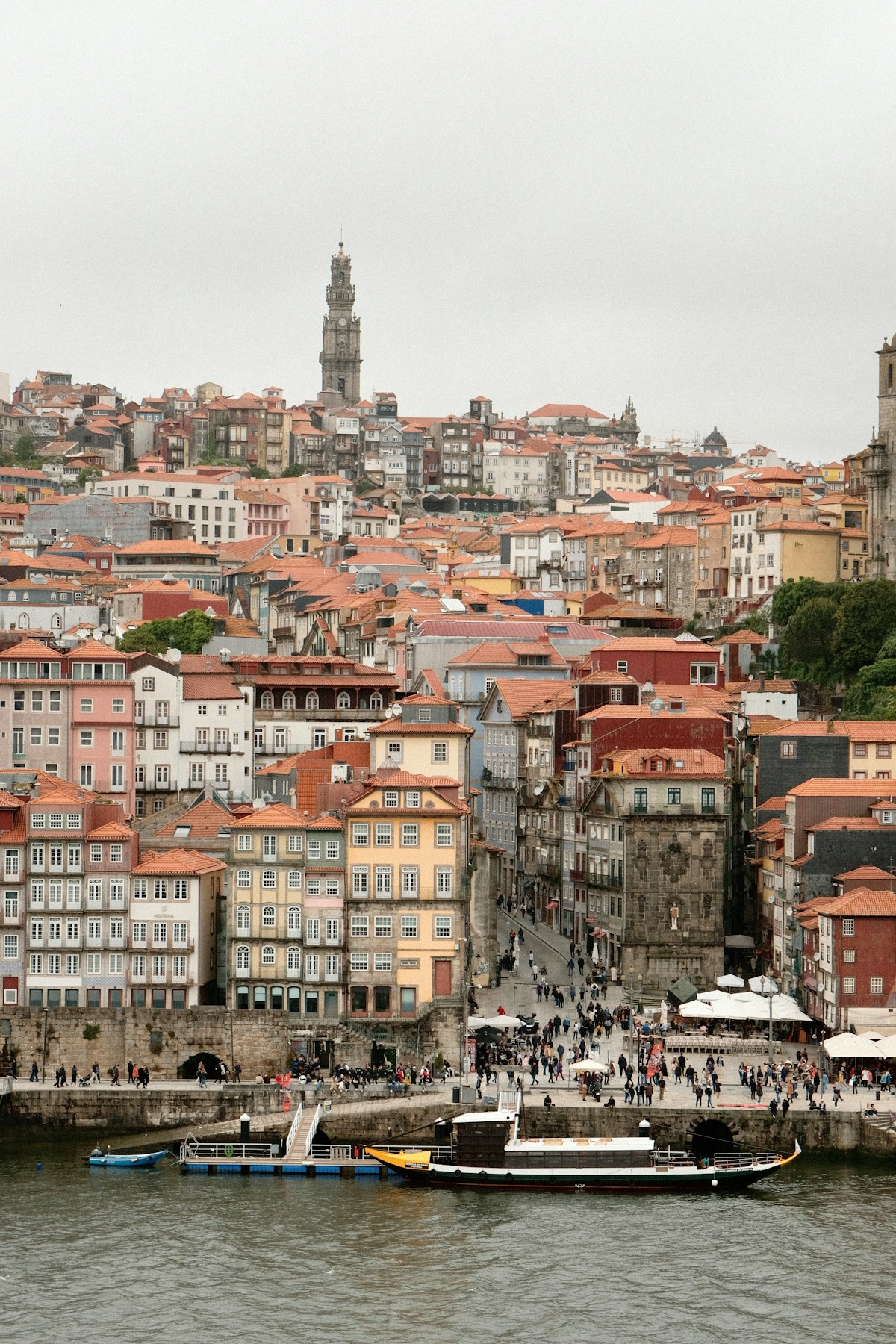
The riverside neighbourhood below the old city walls is Porto’s most photographed area - tall, narrow townhouses in various states of paint and decay facing the Douro, with outdoor restaurants along the quays and the Ponte Dom Luís I bridge rising at the eastern end. The bridge’s upper deck is pedestrianised and connects directly to the Gaia cellars on the south bank; the lower deck carries road traffic and the tram.
Ribeira can be crowded in summer. The restaurants along the water are mostly tourist-facing and overpriced; better eating is found a few streets back in the Bonfim and Cedofeita neighbourhoods.
Vila Nova de Gaia
Gaia is the municipality directly south of the Douro, reached via the Dom Luís I bridge or by metro (Jardim do Morro station). The entire north-facing hillside above the river is covered in Port wine lodges - over 60 of them, most owned by British-founded companies that have operated here since the 17th century. Taylor’s, Graham’s, Sandeman, and Cálem are the most visited. Tours typically include a cellar walk and tasting; prices range from €15 to €40+ for premium tastings. Book ahead for the larger lodges in high season.
The Gaia waterfront below the lodges has filled up with restaurants and bars in recent years. More relaxed than Ribeira, with similar views. For a detailed breakdown of the best cellars, what to expect from tastings, and how to book, see our Porto wine tasting guide. Booking late? There are often last-minute tours available with next-day departures.
Baixa (Downtown)
Porto’s commercial centre runs inland from the Aliados boulevard, a wide 1920s avenue with the City Hall at the top. This is the functional shopping and working heart of the city - less picturesque than Ribeira but where locals actually move around. São Bento railway station, technically in this area, is worth visiting specifically for its 20,000 azulejo tiles depicting scenes from Portuguese history, completed by artist Jorge Colaço between 1905 and 1916.
Foz do Douro
Foz is where the Douro meets the Atlantic, 5km west of central Porto along the river’s north bank. It’s a residential beach neighbourhood - less dense than the centre, with a coastal promenade, the Matosinhos seafood restaurants (technically a separate municipality but contiguous), and some of Porto’s better fish restaurants. Tram 1 runs from Ribeira to Foz along the river - a slow but scenic trip.
Bonfim and Cedofeita
These residential neighbourhoods east and north of the centre have become the main areas for independent restaurants, wine bars, and cafés catering to both younger locals and visitors looking to avoid the Ribeira tourist cluster. Rua Miguel Bombarda in Cedofeita is the main gallery and design strip.
Getting Around
Porto’s metro covers the airport, the main train stations (Campanhã and Trindade), and most tourist areas. The historical trams are scenic but slow and limited in route - tram 22 runs a short circuit in the centre, tram 1 goes to Foz. Walking is the main mode in central Porto, though the hills between Ribeira and Batalha can be steep. Funiculars and elevators (the Guindais funicular near Ribeira) help in places. Uber is reliable.
Getting There
Porto Francisco Sá Carneiro Airport is 11km from the centre. Metro Line E takes 30–35 minutes to central Porto for €2.60. Taxis cost €25–35. If you have a lot of luggage or arrive late, pre-booking an airport transfer is more predictable than queueing for taxis.
By train from Lisbon: Alfa Pendular (fast service) takes 2h45 from Santa Apolónia or Oriente, from €25 booked in advance. Regional trains take around 3h30. Porto has two main stations: Campanhã (metro interchange) and São Bento (terminus, no through trains, more central).
Day Trips
The Douro Valley, 100km east, is Portugal’s premier wine region and one of Europe’s most dramatic river landscapes - terraced vineyards cut into schist hillsides above the Douro. The most scenic approach from Porto is by river cruise (all-day excursions, around €80 including lunch and wine tasting) or by train to Pinhão (2h30, €12 each way - one of the best rail journeys in Portugal). Braga (55km, 1h by train) and Guimarães (55km, 1h by train) are feasible day trips. For the full rundown including Aveiro, Viana do Castelo, and the Arouca suspension bridge, see our day trips from Porto guide.
Top Tours in Porto
Porto’s historic centre is walkable but the context — particularly around the wine trade, azulejo history, and the Douro’s role — benefits from a guide. These are the formats worth considering:
Porto City Walking Tour — Historic Centre
A 3-hour guided walk from São Bento Station through the Cathedral district, Aliados boulevard, and the Clérigos Tower area, with local commentary on the azulejo tilework, granite architecture, and the city’s trading history. One of Porto’s most-reviewed tours.
- Duration: 3 hours
- Price: approximately €15–25 per person as of 2026
- Book on GetYourGuide
Porto Half-Day Tour with Port Wine Tasting
Combines a minibus tour of the historic centre with a guided Port wine tasting at a Gaia cellar. The logistics of crossing between Porto and Gaia are handled, saving significant time compared to doing the cellar visit independently. Typically includes 2–3 wines in the tasting.
- Duration: 3.5–4 hours
- Price: approximately €35–55 per person as of 2026
- Includes: Transport, guide, cellar tour, wine tasting
- Book on GetYourGuide
Douro Valley Day Trip — 2 Wineries, Lunch & River Cruise
The most popular Douro day trip from Porto on GYG. Includes a minibus to the valley, visits to two wine estates with guided tours and tastings, a traditional Portuguese lunch (usually at a quinta), and a 30–40 minute rabelo boat cruise on the Douro. One of the more complete single-day experiences available from Porto.
- Duration: 9–10 hours
- Price: approximately €65–90 per person as of 2026
- Includes: Transport, two quinta visits with wine tasting, lunch, and river cruise
- Book on GetYourGuide
Six Bridges Cruise on the Douro
A 1-hour river cruise passing under Porto’s six bridges, with views of the Ribeira waterfront, Gaia cellars, and the Arrábida bridge from the water. The lowest-commitment option on this list and a natural add-on to a cellar visit in Gaia. Runs year-round from both the Porto and Gaia waterfronts.
- Duration: 1 hour
- Price: approximately €15–20 per person as of 2026
- Browse Douro cruise options
For the full range of Porto tours including sunset cruises, food tours, and private guides, browse all Porto tours.
What to Eat
Francesinha is Porto’s signature sandwich - layers of cured meats and cheese, covered in a tomato-and-beer sauce, typically served with fries. It’s not delicate but it’s genuinely Porto. Cantinho do Avillez (José Avillez’s Porto outpost), DOP (on the Palácio das Artes), and Taberna dos Mercadores in Ribeira are the well-regarded choices for sit-down meals. Matosinhos, 10 minutes by metro, has some of the best grilled fish in northern Portugal along its main market street. See our Porto restaurants guide for restaurant recommendations by neighbourhood.
Where to Stay
For our full accommodation guide with specific hotel recommendations across all budgets, see Where to Stay in Porto.
Search hotels in Porto on Booking.com to compare rates and availability.
Best Time to Visit
June through September is peak season, with the Festa de São João (June 23–24) being Porto’s major annual event - street parties across the city, plastic hammers, and sardines grilled on every corner. May and October offer comfortable temperatures and fewer crowds. Porto’s Atlantic climate makes it wetter than Lisbon, particularly in winter, but visits are possible year-round.
Food and Drink
Porto’s food scene is less internationally profiled than Lisbon’s but has developed quickly over the past decade. Alongside Francesinha and grilled fish, the Portuguese seafood guide covers the catches that define northern Portuguese cooking. For the wine connection, the Portuguese wine guide covers Port wine, Douro table wines, and Vinho Verde - all produced within easy reach of Porto. The Porto restaurants guide gives specifics on where to eat in the city.
Porto Itineraries
Planning a trip to Porto? See our Porto weekend itinerary for a structured 2–3 day plan covering the key sights, best wine cellars to visit, and where to eat - including how to fit a Douro Valley day trip into a short stay.
Porto for Digital Nomads
Porto has grown as a remote-work destination - cheaper than Lisbon, with a strong co-working scene in Cedofeita and Bonfim, and a walkable centre that keeps daily logistics simple. See our Porto digital nomad guide for workspace options, neighbourhoods, and cost comparisons with Lisbon.
The Douro Valley
The Douro Valley - 100km east of Porto - is one of the world’s oldest demarcated wine regions. The terraced vineyards cut into schist hillsides above the river produce both Port wine and increasingly acclaimed dry table wines. Our regional guide covers the valley’s wine estates, the best viewpoints, Pinhão village, and how to road trip or take the scenic train from Porto. For practical planning: our Douro Valley by train guide walks through the Linha do Douro journey step by step, and our Douro Valley day trips from Porto compares guided tours, river cruises, and the DIY train option with prices.
How Porto Compares
Weighing Porto against another destination?
- Lisbon vs Porto - honest breakdown of which city suits different trip styles
- Porto vs Barcelona - costs, culture, and city character compared
- Coimbra vs Braga - for visitors also considering the north’s other main cities
Frequently Asked Questions
- How do I get from Porto airport to the city centre?
- Take the Metro Line E (violet) from Aeroporto station. It connects to the main metro network at Trindade, which links to all other lines. The journey to central Porto (Aliados or São Bento area) takes about 30–35 minutes and costs €2.60 with an Andante card. Ubers and taxis to the centre typically cost €20–30. For a fixed-price transfer with a driver meeting you at arrivals, [Welcome Pickups](/go/welcome-pickups-porto) is a reliable pre-booked option.
- Do I need to visit both Porto and Vila Nova de Gaia?
- Yes, if you're interested in Port wine. The wine cellars are all in Gaia, on the south bank of the Douro. The footbridge (Ponte Dom Luís I upper level) connects Porto's Ribeira to the Gaia cellars and is the most scenic crossing. Lodges including Taylor's, Graham's, Sandeman, and Cálem offer tours and tastings - book ahead for the better lodges.
- Is Porto worth visiting if I've already been to Lisbon?
- Yes, they're distinctly different cities. Porto is smaller, steeper, historically more industrial, and in some ways more architecturally dense than Lisbon. The Douro Estuary gives it a different character from the Tagus. The food scene has also developed independently. Most visitors who see both cities find Porto easier to navigate on foot and slightly less crowded in peak season.
- What is a rabelo boat?
- Rabelo boats are traditional flat-bottomed wooden vessels historically used to transport Port wine barrels down the Douro River from the Douro Valley to the Gaia cellars. You'll see them moored along the Gaia waterfront, now used mainly for tourist river cruises. The Six Bridges cruise (around €15) passes under Porto's six bridges in about an hour.
Book an experience
Top experiences in Porto
Explore the best tours and activities in Porto, with instant confirmation and free cancellation on most bookings.
Where to stay in Porto: Find hotels in Porto →