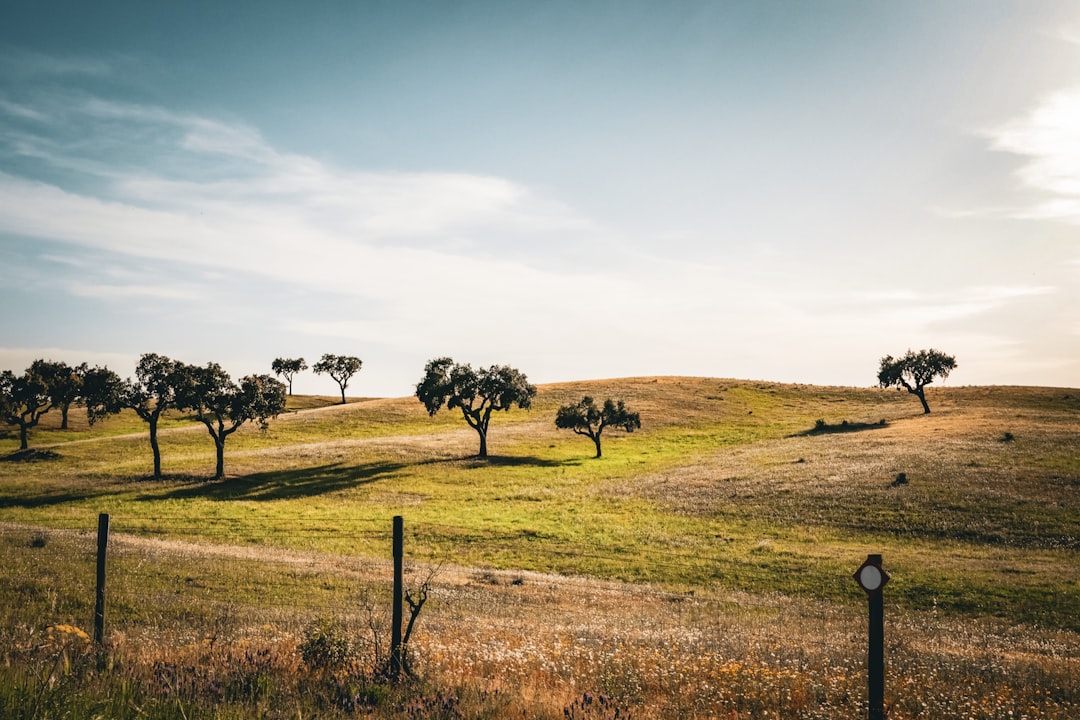
The Alentejo is Portugal’s most productive wine region by volume, supplying approximately 45% of bottled Portuguese wine exports despite covering a relatively small geographic area. It is also one of the most straightforward wine regions to visit by car — estates are well-signposted, roads are good, and the combination of working quintas, rolling plains, cork oak plantations, and Alentejo towns makes the circuit a complete travel experience rather than just a wine itinerary.
This guide covers the main sub-regions, the best estates to visit with practical visiting information, and a two-day circuit from Évora.
Understanding the Sub-Regions
The Alentejo wine appellation divides into eight sub-regions. From north to south:
Portalegre sits at 600-800 metres altitude in the Serra de São Mamede foothills — the coolest and most elevated of the Alentejo sub-regions. Wines here have noticeably more acidity and refinement than the hot plains further south. The small Adega de Portalegre cooperative produces Alentejo’s most underrated whites.
Borba is a limestone plateau town 30 km east of Évora, known for producing consistent, accessible reds from the local cooperative and small quintas. The Adega Cooperativa de Borba produces excellent value wines from approximately €5-10 per bottle, and the adega is open for visits and direct purchase.
Redondo (south of Borba) is dominated by Herdade de Coelheiros and Monte Branco. The area sits at slightly lower altitude with warmer temperatures, producing fuller-bodied reds.
Reguengos de Monsaraz is the most internationally recognised sub-region — home to Esporão, one of Portugal’s most important wine estates, and the productive Reguengos cooperative. Located near the Alqueva reservoir, the estates benefit from the lake’s moderating effect on temperatures.
Vidigueira (south, near Beja) is among the hottest sub-regions, producing concentrated, high-alcohol reds with long aging potential. Herdade dos Grous is the notable estate here.
Granja-Amareleja, Moura, and Évora complete the southern and central sub-regions. The Évora sub-region is home to Cartuxa, one of the Alentejo’s oldest and most respected estates.
Key Wineries to Visit
Herdade do Esporão (Reguengos de Monsaraz)
The Alentejo’s flagship estate — 700 hectares of vineyards, olive groves, and accommodation 45 km south of Évora. Esporão produces consistently excellent wines across multiple price points, from the approachable Esporão Reserve (approximately €12-15 per bottle) to limited single-vineyard releases.
The estate offers guided cellar tours (approximately €20-25 per person, including tasting of four wines), an excellent estate restaurant (open lunch only), and accommodation at the Herdade. The restaurant serves estate-grown produce with Alentejo cooking — budget approximately €35-50 per person for lunch. Book tours at esporao.com; essential in summer and harvest season.
Cartuxa / Fundação Eugénio de Almeida (near Évora)
Cartuxa is among the most historically significant Alentejo producers — wines have been made at the estate for centuries, now managed by the Eugénio de Almeida Foundation. The flagship Cartuxa Colheita Seleccionada (approximately €18-25 per bottle) and Pêra-Manca (premium, €50+) are reference points for Alentejo quality.
Visits to the estate require advance booking through the Évora tourism office or directly by phone. The estate is 3 km from Évora’s town centre. Tastings typically cost approximately €10-15 per person.
Adega Mayor (Campo Maior)
A contemporary winery designed by Álvaro Siza Vieira — Portugal’s most celebrated architect — in the northern Alentejo near Campo Maior. The building is worth seeing for the architecture alone. Wines focus on single-variety bottlings of Aragonês and Alicante Bouschet. Visit by appointment; approximately €15-20 per person including tasting.
Herdade da Malhadinha Nova (Albernoa, near Beja)
A boutique estate in the southern Alentejo with accommodation, a pool, and a restaurant. Smaller production than Esporão, higher prices (approximately €20-45 per bottle for premium wines), and a more intimate visit experience. Good for combining an overnight stay with a morning cellar visit.
Adega Cooperativa de Borba
The Borba cooperative is an Alentejo institution — producing around 10 million bottles per year from member growers across the region. The adega is open for walk-in visits and direct sales Monday-Saturday 9am-12pm and 2pm-6pm. Entry free; bottles from approximately €4-15. The Borba Reserva (approximately €8-10) is one of the Alentejo’s best values.
Herdade dos Grous (Vidigueira)
Southern Alentejo property with accommodation and a restaurant, known for concentrated, sun-baked reds and ambitious whites. Estate tours approximately €15-20 per person; the property also has a wine hotel if you want to base yourself in the south.
Practical Information
Driving: The Alentejo is best explored by car. Roads are good, distances between estates manageable, and there are no mountains or complicated navigation. The A6 motorway from Lisbon to Évora takes 1h30; the N4 continues east to Elvas and the Spanish border. The estates are signposted from main roads.
Booking: Book tours at least 24-48 hours ahead for major estates. Esporão fills up in summer — book one to two weeks ahead for July and August. The Borba cooperative and some smaller quintas accept walk-ins.
Driving and tasting: Most tastings are in the 30-75ml range per wine, meaning a tasting session of four wines involves less than a large glass of wine. Appoint a designated driver, use a taxi from Évora (daily hire approximately €100-150 for a half-day circuit), or split tasting duties if you are two people. Several Évora tour operators run half-day wine tours including transport.
Prices: Wine tour prices as of 2026 — guided cellar tours typically €10-25 per person including 3-5 wines. Restaurant meals at estate restaurants approximately €30-50 per person for lunch. Bottles direct from estates: entry level €6-12, reserve €15-25, premium €30+.
A Two-Day Wine Circuit from Évora
This circuit covers the core Alentejo sub-regions and can be completed in two full driving days staying in Évora.
Day 1 — Évora and Borba-Redondo
Morning: Begin with Cartuxa outside Évora (book the morning visit slot). The estate is 3 km from the town centre and opens at 9:30am for booked groups.
Late morning: Drive north on the N18 to Borba (30 km, 25 minutes). Visit the Adega Cooperativa de Borba for a walk-in tasting and bottle purchase. The town of Borba itself is worth 30 minutes — a white marble town, its streets and fountain built from local stone.
Afternoon: Continue to Redondo (10 km east of Borba). The area has several small quinta cellar doors; Quinta da Maldiba and Monte da Ravasqueira are accessible. Return to Évora by early evening (40 km).
Dinner in Évora: Try Taberna Típica Quarta-Feira or Dom Joaquim — both serve Alentejo classics with a good selection of local wines by the glass.
Day 2 — Reguengos and Monsaraz
Morning: Drive to Herdade do Esporão (45 km south of Évora, via Reguengos de Monsaraz). Book the 10am tour slot. Allow 2 hours for the tour and tasting; if you booked lunch at the estate restaurant, this runs 12:30-2:30pm.
Afternoon: Drive 15 km north to Monsaraz village — the medieval walled village perched above the Alqueva reservoir. Walk the single main street, visit the castle (approximately €2 entry), and take in the lake views. The road between Esporão and Monsaraz runs through the reserve.
Late afternoon: Return to Évora (57 km, 50 minutes) or continue to accommodation near Reguengos for a third day exploring Vidigueira further south.
Alentejo Wine: What to Buy
The following styles are particularly worth seeking out at cellar-door prices:
- Alentejo red reserves from Esporão, Cartuxa, Monte da Ravasqueira: €15-25 per bottle, structured, age-worthy
- Alicante Bouschet single variety from Esporão, Herdade do Esporão: a grape almost unique to the Alentejo in Portugal, producing dense, inky reds
- Antão Vaz whites from Esporão or Cortes de Cima: the Alentejo’s best white grape, producing textured, aromatic whites to drink within 2-3 years
- Cooperative wines from Borba or Reguengos: reliable everyday reds and whites at €4-10, representing exceptional value
Plan Your Trip
🏨 Search hotels in Alentejo Portugal on Booking.com
For a broader Alentejo trip that takes in the wine country alongside the region’s walled towns and Roman heritage, our Alentejo road trip itinerary covers the best routes by car. The Alentejo region guide has further detail on the area’s highlights and the best bases for exploring the vineyards.
Plan Your Trip
- Flights - Find the best fares to Portugal
- Travel Insurance - Get covered before you go
- eSIM - Stay connected from landing
- Car Rental - Compare prices across providers
See also: Alentejo region guide · Alentejo road trip itinerary · Douro quinta visits