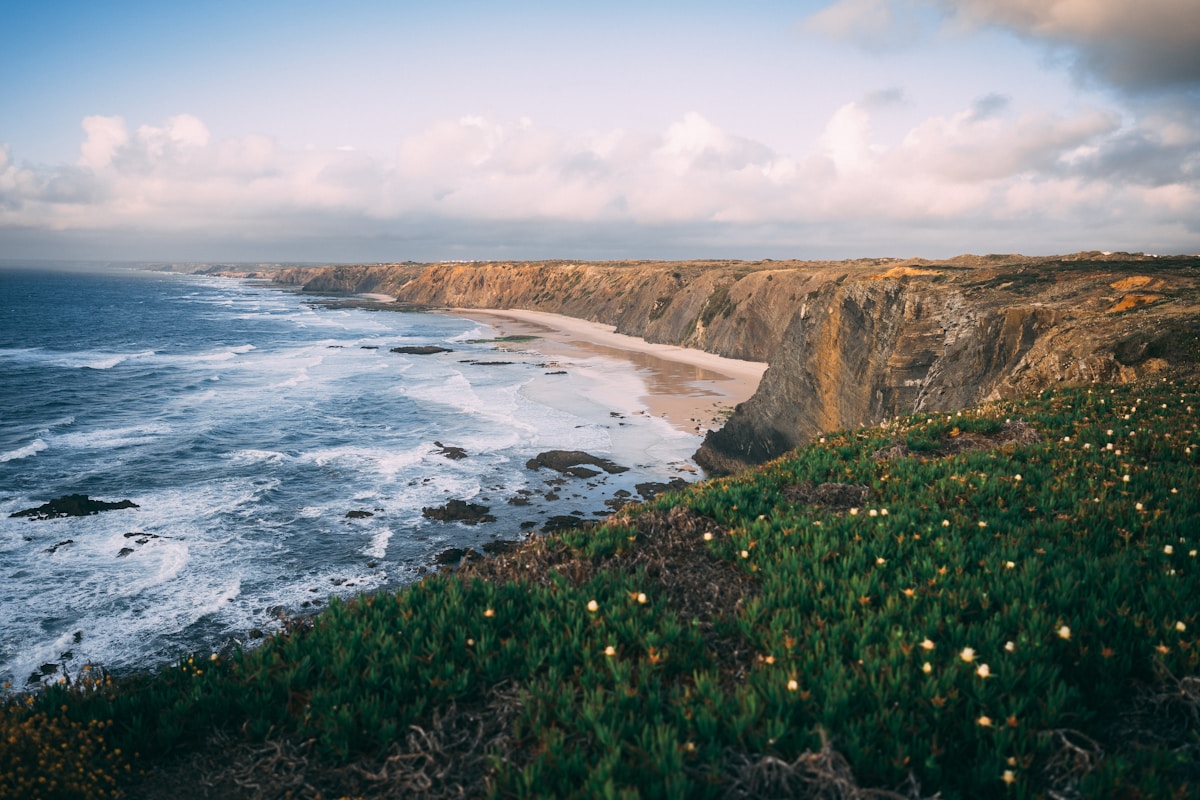
There is no single best time to visit Portugal - the answer depends entirely on what you want from the trip. This guide gives specific verdicts for beach holidays, city breaks, surfing, wine tourism, island travel, and budget travel.
Quick Summary by Traveller Type
| Traveller type | Best months |
|---|---|
| Beach holiday (warm sea, sunshine) | June–September (July–August peak) |
| Best balance of weather, value, crowds | September–October or April–May |
| City sightseeing (Lisbon, Porto) | March–May or October–November |
| Surf travel | October–March |
| Wine/harvest tourism (Douro) | September–October |
| Madeira | Year-round (best Oct–May for warmth) |
| Azores | May–September (whale watching March–June) |
| Budget travel | January–February (lowest prices) |
| Avoid | August (overcrowded, expensive, inland heatwaves) |
Season by Season
Spring - March to May
Spring is one of the strongest windows for visiting Portugal. Prices are well below summer, crowds are manageable, and the landscape is at its greenest before summer dries it.
March: shoulder season beginning. Wildflowers in the Alentejo. Whale watching peaks in the Azores (March–June). Surf still excellent. 13–19°C in Lisbon.
April: warm and increasingly dry (15–20°C). April 25th Liberation Day is worth experiencing in Lisbon. Douro Valley coming into leaf. Easter week can push prices up briefly.
May: consistently rated among the best months. 17–22°C in Lisbon. Algarve beaches swimmable (18–19°C sea). Madeira Flower Festival. Prices rising but still below summer peak.
Verdict: May is the best spring month. April is the best value. March is ideal for whale watching and surf.
Summer - June to August
Summer delivers reliable sunshine, warm sea, and a festive atmosphere. It also delivers packed beaches, peak prices, and - in August - heatwave conditions.
June: best festival month. Festas de Lisboa fills Alfama all month (culminating June 12–13). São João Porto (June 23–24) is exceptional. Beach season opens with manageable crowds. 20–27°C.
July: peak season. NOS Alive festival. Algarve crowded. 25–32°C. Book everything 3+ months ahead.
August: maximum crowds, maximum prices, maximum heat. The Alentejo regularly exceeds 40°C. Algarve packed. The sea is at its warmest (22°C) and the atmosphere is lively. Works if you book very far ahead and embrace the energy. Works poorly if you want space or value.
Verdict: June is the best summer month - you get the festive atmosphere and warm sea without August’s extremes. Skip August unless it’s your only option.
Autumn - September to November
Autumn is where Portugal genuinely delivers for experienced travellers. September in particular is consistently named the best month by those who have visited multiple times.
September: arguably the best single month. Still warm (24–29°C), sea at peak temperature (21–22°C), crowds thinning, prices dropping, Douro harvest beginning, surf returning. Excellent across virtually every metric.
October: Douro in full autumn colour. Rip Curl Pro at Peniche. Algarve beaches still swimmable (19–20°C). Prices 30–35% below peak. Very strong month.
November: Nazaré big wave season starts. São Martinho chestnuts and new wine. Lisbon and Algarve mild. Rain increases in the north. Prices near annual low.
Verdict: September–October is the best overall window. Two consecutive months that deliver warmth, events, low crowds, and good prices simultaneously.
Winter - December to February
Winter is appropriate for city sightseeing, budget travel, and specific activities (big wave surfing at Nazaré, Carnival in February).
December: two phases - low season (Dec 1–21) and festive peak (Dec 22–Jan 2). Christmas lights in Lisbon and Porto. Óbidos Christmas market. Madeira New Year fireworks (world record display). 8–14°C in Lisbon.
January: cheapest month. Lowest crowds. Algarve mild (13–18°C). Nazaré big waves at peak. Whale watching in Azores begins. 8–15°C in Lisbon.
February: cheapest flights of the year. Carnival (Madeira’s is biggest). Almond blossom in the Algarve. Still cold in the north. 10–16°C in Lisbon.
Verdict: January and February are for budget travellers and those who specifically want low season. Not recommended for beaches or the north of the country. Madeira works year-round and is excellent in winter for Europeans seeking warmth.
Regional Breakdown
Lisbon
Best: March–June, September–October. Manageable crowds, warm enough for outdoor dining. Worst: August (overcrowded, very hot). Avoid if possible. See our Lisbon city guide for what to do and when to visit.
Porto
Best: April–June, September–October. The rain is manageable, the city is lively, and culture runs at full pace. Worst: November–January (very wet, cold evenings). Still worth visiting but plan around the rain. See our Porto city guide for neighbourhood and transport detail.
Algarve
Best: May–June and September–October. Warm sea, manageable crowds, lower prices. Worst: August (maximum capacity, peak prices). January–February (cold sea, quiet - fine for walking but not beaches).
Douro Valley
Best: September–October (harvest and autumn colour). April–May (vine growth, green terraces). Worst: January–February (bare vines, cold, wet). July–August (very hot).
Madeira
Consistent year-round at 16–25°C. Best: October–May (warmest, driest relative to the island’s standard). Carnival (February) and Flower Festival (April–May) and New Year Eve are peak events. July–August is busier than other months but not overwhelmingly so.
Azores
Best: June–September (most settled weather, warmest temperatures, best for hiking and diving). Whale watching: March–June is peak, with the greatest species diversity. Worst: November–February (rough Atlantic weather, significant swell - fine for whale watching but challenging for other activities).
The Budget Calculation
Price differentials between peak and low season are among the sharpest in Europe:
- August accommodation in the Algarve: €180–350/night (3-star resort)
- Same property in January: €55–90/night
- Same property in September: €100–150/night
The September sweet spot - similar weather to August, dramatically lower prices - is the key insight most first-time visitors miss. Many return specifically for September on their second trip.
tours across Portugal covers guided experiences across Portugal - from cultural walking tours to day trips from major cities.
an eSIM for Portugal is a straightforward way to stay connected throughout the country. travel insurance is worth comparing before departure.
Month-by-Month Guides
For detailed event calendars, weather tables, and city recommendations for each month:
- Portugal in January - Nazaré big waves, cheapest flights, Algarve walking
- Portugal in February - Carnival, almond blossom, lowest crowds
- Portugal in March - Whale watching peaks, wildflowers, spring surf
- Portugal in April - Liberation Day, Douro vines, Madeira Flower Festival prep
- Portugal in May - Best spring month, swimmable beaches, Madeira Flower Festival
- Portugal in June - Santos Populares festivals, Festas de Lisboa, beach season
- Portugal in July - Peak summer, NOS Alive, Algarve at capacity
- Portugal in August - Hottest month, busiest beaches, maximum prices
- Portugal in September - Best overall month, Douro harvest, cooling crowds
- Portugal in October - Autumn colour, Rip Curl Pro Peniche, excellent value
- Portugal in November - Nazaré big wave season starts, São Martinho
- Portugal in December - Christmas markets, Madeira New Year fireworks, low season rates
Plan Your Trip
🏨 Search hotels in Portugal on Booking.com
✈️ Book your flights to Portugal 🛡️ Get travel insurance 📱 Stay connected with an eSIM 🚗 Rent a car