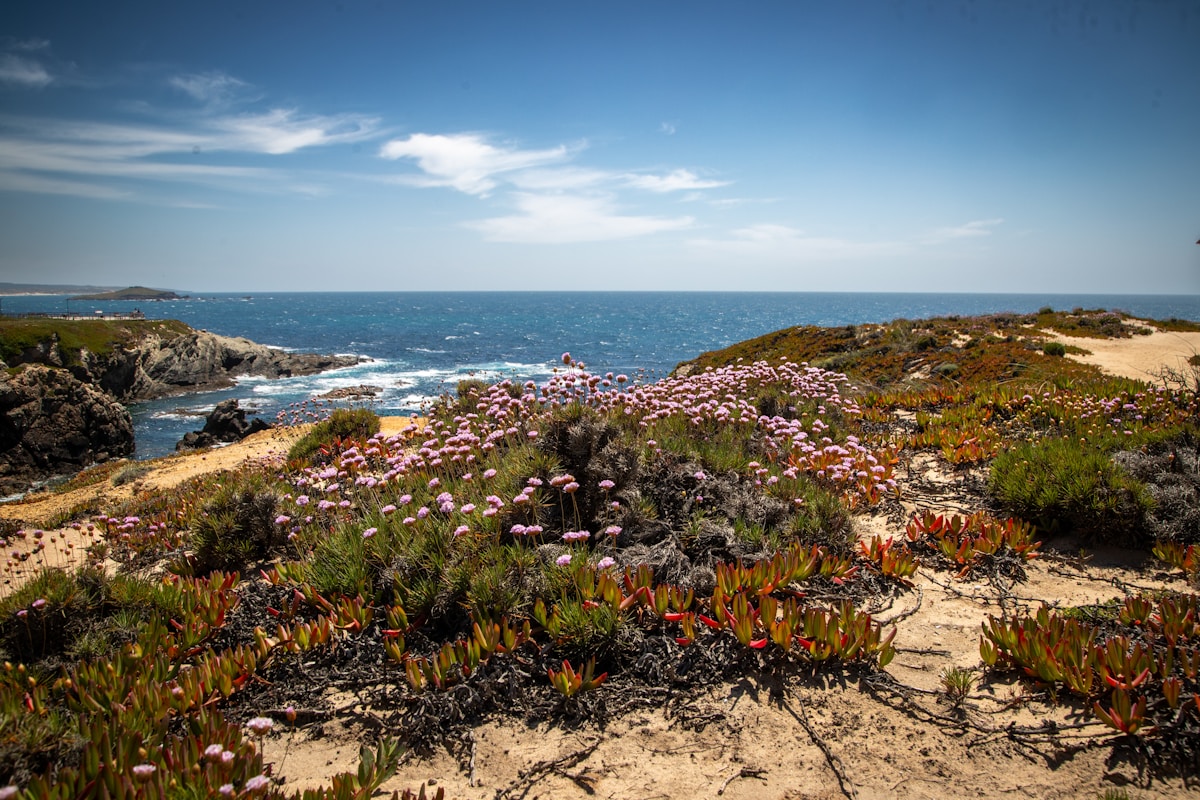
Most visitors to Portugal head south to the Algarve. The Silver Coast — Portugal’s Atlantic seaboard between Lisbon and Porto — is the alternative that fewer tourists find, and for some travellers it is the better choice. The contrast between the two coasts is real and significant: the Algarve has sandy coves, clear warm water, and fully developed resort infrastructure; the Silver Coast has wild, wind-swept beaches, Atlantic surf, pine forests, and towns that feel like Portugal rather than international beach resorts. Neither is objectively better. But they suit different travellers.
Quick Verdict
| Category | Silver Coast | Algarve |
|---|---|---|
| Beaches (calm, sheltered) | Limited | Winner |
| Beaches (wild, surf) | Winner | Western tip only |
| Water temperature | Cooler (16–19°C) | Warmer (20–23°C) |
| Surfing | Winner | Western Algarve only |
| Crowds | Winner (quieter) | Busy Jul–Aug |
| Resort infrastructure | Minimal | Winner |
| Towns and culture | Winner | Limited |
| Accessibility from Lisbon | Winner (1–2 hours) | Further (2.5–3 hours) |
| Family holidays | Requires research | Winner |
| Cost | Winner (cheaper) | Higher peak season |
Choose the Silver Coast if you want emptier beaches, surf, authentic Portuguese towns, and proximity to Lisbon. Choose the Algarve if you want reliable calm water for swimming, established resort facilities, and the best sandy cove beaches in Western Europe.
The Silver Coast
The Silver Coast is less a single destination than a succession of distinct places along a 300km stretch of Atlantic coastline. Each has its own identity.
Setúbal and the Arrábida Peninsula: Forty minutes south of Lisbon by car, the Serra da Arrábida limestone ridge drops to a coastline of turquoise water that rivals anything in the Mediterranean. The sheltered beaches of Portinho da Arrábida and Galapinhos are among the most beautiful in mainland Portugal — clear blue-green water in a natural park, with no hotels or development on the beachfront. Access is by car (parking €2–5) or boat from Setúbal (from €20 return). The Algarve is the only Portuguese coastline that competes with Arrábida for cove quality, and Arrábida is 40 minutes from Lisbon rather than 3 hours.
Comporta: The area south of Setúbal around the Sado Estuary has developed quietly into one of Portugal’s most fashionable destinations. Comporta and its surrounding villages (Melides, Carvalhal, Brejos da Carregueira) offer long, pine-backed Atlantic beaches that are significantly emptier than anything in the Algarve. The water is cold (16–18°C in summer) and the wave action is consistent. The town itself is small but has several excellent restaurants, a rice-growing agriculture identity, and a low-key luxury hotel scene that attracts Lisbon weekenders.
Nazaré: The fishing town on a long, curved bay is famous above the waves and in them. The big-wave surf break at Praia do Norte — where Rodrigo Koxa set the world record wave height of 24.38m in 2017 — has put Nazaré on every surfer’s bucket list. The town beach itself is a 1km curve of sand with a traditional fishing identity still intact: colourful boats on the beach, polvo (octopus) drying on wooden frames, and the funicular connecting the lower town to the cliffside Sítio quarter with its chapel and lighthouse viewpoint. For non-surfers in summer, the town beach is perfectly good for swimming at the calmer southern end.
Óbidos: A medieval walled town 7km inland from the coast — technically not a beach destination but the most visited town on the Silver Coast for good reason. The town is entirely contained within its 14th-century walls, with a single main street lined with whitewashed houses and flowering bougainvillea. Ginja (sour cherry liqueur) served in chocolate cups is the local speciality (€1.50 per shot). Óbidos makes an excellent base for day trips to the coast at Foz do Arelho (15 minutes by car) and Baleal.
Peniche: A working fishing port on a peninsula 90km north of Lisbon, surrounded by water on three sides. The Baleal beach north of town is a classic surf break with a sandbar that works at most tide stages; Peniche hosts the WSL Rip Curl Pro each autumn (one of the top-rated breaks on the World Surf League circuit). The town itself is gritty and authentic — boat-building yards, fish auction, a 16th-century fortress that served as a political prison under Salazar. Less polished than the Algarve but more interesting.
The Algarve
The Algarve is what most of Europe’s beach travellers expect when they book a Portugal holiday. The 150km of coast between Lagos and the Spanish border offers an extraordinary variety of sandy beaches: from the dramatic limestone cove beaches of the central Algarve to the long, barrier-island beaches of the Ria Formosa east of Faro.
The central Algarve’s cove beaches — Praia da Marinha, Praia do Camilo, Praia da Albandeira, Praia de Benagil — are the most photographed and for good reason: golden limestone arches, sea-carved grottoes, crystal-clear turquoise water, and soft sand. Water temperatures reach 22–23°C in July and August. The waves in the coves are generally gentle; the beaches are sheltered by their rock formations.
The resort towns divide roughly into two camps: the large international resorts around Albufeira, Vilamoura, and Quinta do Lago (golf courses, five-star hotels, waterparks, English pubs) and the smaller, more characterful towns of Lagos and Tavira. Lagos has the best combination of historic town centre, accessible beaches, and independent restaurants. Tavira in the eastern Algarve is the most elegant Algarve town — a Roman bridge, Moorish castle ruins, and access to the Ria Formosa island beaches by ferry (€2 return, 10 minutes).
Beaches
The comparison depends on what you want from a beach.
For calm, warm, sheltered water: The Algarve wins comprehensively. Its cove beaches are sheltered by rock formations and offer warm Atlantic water (22–23°C in August), ideal for swimming, snorkelling, and relaxing. The Silver Coast’s Atlantic-facing beaches have cooler water (16–19°C in summer) and significantly more wave action.
For wild, empty, dramatic beaches: The Silver Coast wins. The long sand beaches at Comporta and Melides, the dune systems north of Peniche, and the surf breaks at Baleal and Supertubos have the Atlantic in its raw form — powerful, cold, and exhilarating.
For surfing: Silver Coast and the western Algarve (Sagres, Arrifana) are neck-and-neck. The Silver Coast has Peniche’s world-class breaks, Nazaré’s big-wave season (November–March), and dozens of consistent beach breaks from Ericeira south to Sesimbra. The Algarve’s surfing is concentrated in its western tip around Sagres and Aljezur.
Towns and Culture
This is where the Silver Coast has a clear advantage for some travellers. The towns of Óbidos, Nazaré, Peniche, and Setúbal retain working Portuguese identities — fishing fleets, local markets, affordable restaurants that serve the community rather than tourists. The Algarve’s tourist towns — Albufeira, Vilamoura, and parts of Lagos — are heavily oriented toward international visitors, with prices and atmosphere to match.
Óbidos medieval town is genuinely beautiful. Nazaré’s upper quarter (Sítio) preserves a folklore culture of women in traditional seven-petticoat dress that has nearly disappeared elsewhere in Portugal. Comporta has a rice-farming village identity mixed with understated luxury. These are interesting places in a way that Albufeira’s strip is not.
The Algarve’s most culturally interesting towns — Tavira, Silves (inland, with a Moorish castle), and Faro’s old town (a small walled historic centre) — are worth visiting but require actively avoiding the more developed resort areas.
Cost
The Silver Coast is generally cheaper, primarily because it operates less on a seasonal resort economy.
Silver Coast: Mid-range guesthouse in Nazaré €70–100/night. Restaurant mains in Peniche €12–16. A surf lesson in Baleal €35–45/2 hours. Parking and access to most beaches is free.
Algarve: Mid-range hotel in Lagos or Albufeira €100–160/night in July and August (significantly cheaper October–May). Restaurant mains in tourist areas €14–22. Boat trips to the Benagil cave from €15. Beach parking in the central Algarve €3–6/day in peak season; some popular beaches charge premium rates or fill by 10am.
Winner: Silver Coast for budget, by a meaningful margin in peak season.
Accommodation
Silver Coast: Strongest options are at the luxury end (Comporta, Aroeira) or the budget guesthouse end (Nazaré, Peniche). The mid-range hotel tier is thinner than the Algarve. Comporta has several luxury boutique properties — Sublime Comporta (adults-only, rice fields and forest setting, from €350/night) and the Sublime Comporta Eco Resort are the most acclaimed. Nazaré has a good range of simple guesthouses from €65–90/night.
Algarve: Strongest mid-range offering in Portugal. Every price category is well represented between Lagos and Faro — from budget apartments at €60–90/night to the Pine Cliffs Resort (six pools, beach elevator, from €280/night) and Vila Vita Parc (private beach, Michelin restaurant, from €350/night). The Algarve’s resort hotel infrastructure is simply more developed.
Search hotels on the Silver Coast — Search hotels in the Algarve
When to Visit
Silver Coast: April through October. The big-wave surf season at Nazaré runs November through March — less for beach holidays, spectacular for watching. Summer (July–August) is the most crowded but still significantly quieter than the Algarve. May, June, September, and October are the sweet spot: good weather, empty beaches, and lower prices.
Algarve: June through September for beach holidays. The Algarve has the most reliable sunshine in mainland Portugal — averaging 3,300 hours per year. October still delivers beach days with significantly reduced prices. The eastern Algarve around Tavira has slightly warmer winters than the west, making it viable year-round for non-beach visits.
Getting There
Silver Coast: Most towns are 1–2 hours from Lisbon by car. Buses run regularly from Lisbon to Nazaré (1h40), Óbidos (1h15), and Peniche (1h30). No major airports on the Silver Coast — Lisbon (Humberto Delgado) is the gateway.
Algarve: Faro Airport has direct flights from most UK airports, Ireland, and across Europe. Most visitors hire a car at Faro Airport (€30–50/day). From Lisbon, the AP train to Faro takes approximately 2 hours 45 minutes (from €20 booked ahead).
Final Verdict
The Algarve is the better choice for a dedicated beach holiday: warmer water, calmer coves, more reliable sunshine, and a broader range of accommodation and facilities. Families with young children should choose the Algarve without much deliberation.
The Silver Coast is the better choice for anyone who finds the Algarve too developed, too crowded, or too far from Lisbon. Arrábida’s turquoise coves are 40 minutes from the capital and match the Algarve’s best beaches for beauty. Nazaré is one of the most interesting towns on the Portuguese coast. Comporta has the combination of empty beaches and excellent food that the Algarve charges a premium for.
Many travellers discover that the Silver Coast is the Portugal they were looking for — fewer British accents, cheaper meals, surf culture, medieval towns, and a coastline that feels like it is still being discovered. If you are making your second or third trip to Portugal, the Silver Coast is almost certainly where your next few days should be spent. See our Costa Vicentina guide for the wilder Atlantic coast south-west of Lisbon.
More Portugal Comparisons
- Lisbon vs Algarve — Portugal’s capital versus its biggest beach region
- Porto vs Algarve — the north versus the south for your Portugal trip
- Nazaré vs Ericeira — two of the Silver Coast’s best towns compared
- Is the Algarve Worth It? — the honest verdict on what the Algarve delivers
Plan Your Trip
✈️ Book your flights to Portugal 🛡️ Get travel insurance 📱 Stay connected with an eSIM 🚗 Rent a car