Setúbal Travel Guide - Arrábida, Dolphins & the Sado Estuary
Setúbal travel guide - Arrábida Natural Park's limestone cliffs, clear water beaches, dolphin watching on the Sado, and Tróia ferry.
Guides for Setúbal
Setúbal is a port city of around 90,000 people, 50km south of Lisbon on the Sado Estuary. For a broader overview of the region, the Alentejo region guide covers the area south and east of Setúbal including the wild Alentejo coast. It functions primarily as a working Portuguese city - a fishing port, industrial hub, and regional capital - but it sits at the gateway to two of the best natural areas in the country: Arrábida Natural Park to the south and the Sado Estuary to the east.
Most visitors pass through Setúbal en route to the beaches rather than treating the city itself as a destination. That’s a reasonable approach, but the city centre has a compact historic district and the best choco frito (fried cuttlefish) in Portugal.
Arrábida Natural Park
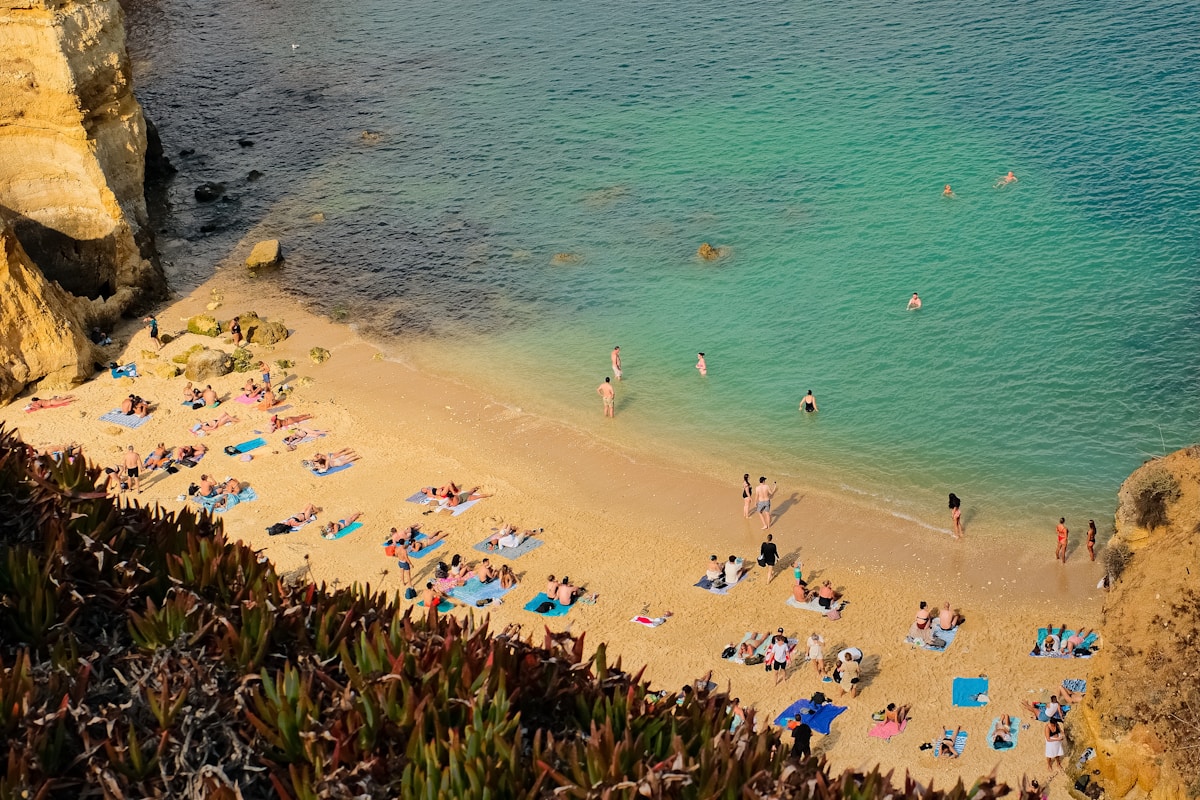
The Serra da Arrábida runs along the southern edge of the Setúbal Peninsula for about 35km. The limestone mountain ridge rises to 500m and drops steeply to the sea, creating a coastline of dramatic cliffs, sheltered coves, and water so clear it’s often described as resembling the Algarve or even the Mediterranean. The comparison is accurate: the clarity results from the limestone filtering the runoff and the sheltered coves blocking Atlantic turbidity.
Portinho da Arrábida is the most accessible beach and the most popular. In summer (June–September), vehicle access is restricted - a permit system limits the number of cars on the mountain road. The practical alternative is to take a boat from Setúbal marina. Several operators run transport-only trips and combined tours to the beach. The ferry takes around 30 minutes.
Galapinhos e Galapinhos and Praia do Coelhos are accessible only by boat and are consequently much quieter. The rock formations along this stretch of coast are dramatic and worth taking a boat tour specifically to see even if you’re not swimming.
The park also contains a 16th-century Franciscan convent (Convento de Arrábida) built into the cliff face, accessible on foot via the mountain road.
Sado Estuary and Dolphins
The Sado Estuary is a large tidal lagoon south of Setúbal, home to one of western Europe’s few resident bottlenose dolphin populations. The group has around 40 animals that remain in the estuary year-round - unlike most dolphin encounters at sea, which depend on finding pelagic animals passing through, sightings here are consistent. Several operators at Setúbal marina run 2–3 hour tours.
The estuary is also a significant bird habitat, particularly for flamingos (present year-round in smaller numbers, and in larger flocks during migration), herons, and various wading birds.
Tróia Peninsula
Tróia is a long narrow peninsula that encloses the southern side of the Sado Estuary. Ferries from Setúbal’s central dock run throughout the day (15–20 minutes, €2.80 foot passenger). Tróia has a long Atlantic beach on its western side - less developed than the Algarve, with calmer and warmer water than the Lisbon coast. There are also Roman ruins near the ferry dock (Cetóbriga - a substantial Roman fish-salting factory from the 1st–5th centuries AD, partly excavated).
Getting to Arrábida
There is no direct public transport from Setúbal to the Arrábida beaches. Options:
- Hire car: most flexible, allows access to multiple viewpoints along the mountain road. The EN10-1 scenic road offers views across the whole coastline.
- Boat from Setúbal marina: several operators offer transport to Portinho da Arrábida and nearby coves. This avoids the summer vehicle access restrictions.
- Organised tours from Lisbon: several day-trip operators run direct to Arrábida from Lisbon, sometimes combined with dolphin watching.
The drive from Lisbon to Portinho da Arrábida takes about 1 hour by car (A2, then local roads from Setúbal).
What to Eat
Setúbal’s signature dish is choco frito - battered cuttlefish from the Sado, served with chips and salad in most local restaurants. Marisqueiras (seafood restaurants) around the city centre serve fresh estuary shellfish: clams, mussels, and crab. Restaurante Quinta do Patrício north of the city and several spots near the docks are recommended by locals.
Where to Stay
Setúbal has standard Portuguese mid-range hotels. For those focused on the beaches, renting a villa or apartment in the municipalities closer to Arrábida (Sesimbra or the Azeitão area) is more practical. Sesimbra, a fishing village 20km west, is a more appealing overnight base than Setúbal itself if Arrábida is the priority. Browse our Setúbal hotel guide for accommodation options.
For guided experiences, browse tours in setúbal - covering walking tours, food tours, and day trips from the city.
Getting here by air? airport transfers take the stress out of the journey from the airport to your hotel. Pick up an eSIM for Portugal before you land to stay connected on arrival.
Search hotels in Setúbal on Booking.com to compare rates and availability.
Best Time to Visit
May through September for the beaches. Water temperatures peak at around 20–22°C in August and September. The vehicle restriction on the Arrábida road is in force June to September, so boat access becomes more important in those months. Spring (April–May) offers quieter beaches and green hillside scenery. Dolphin watching is possible year-round. See our things to do in Setúbal guide for more activity options and day trip ideas, and the Setúbal hotel guide for accommodation. Compare Setúbal’s marine wildlife with the Algarve dolphin watching guide - both have resident dolphin populations but the Sado group is smaller and more reliably sighted from fixed departure points.
How Setúbal Compares
Setúbal vs Cascais: Both are south-of-Lisbon coastal excursions, but they sit on different coastlines and offer different things. Cascais is on the Estoril coast — accessible by train in 40 minutes from Lisbon, well set up for tourism, and best combined with Sintra. Setúbal is on the Arrábida peninsula, with the best beaches in the greater Lisbon area (turquoise water, limestone cliffs, no development), and requires a car to access properly. Cascais suits a half-day from Lisbon; Setúbal warrants a full day, ideally with a boat trip on the Sado Estuary.
Setúbal vs Comporta: Comporta is 40km south of Setúbal along the Tróia peninsula — low-key, expensive, associated with Portuguese design tourism and a certain fashionable quietness. Setúbal is more practical and less expensive. Comporta suits couples seeking a very particular aesthetic; Setúbal suits families and those who want strong beaches with dolphin watching as the main activity. Both peak in July–August. April–May and September are the most balanced months for Arrábida’s green hillside scenery and uncrowded beaches.
Frequently Asked Questions
- How do I get from Lisbon to Setúbal?
- By car takes about 50 minutes on the A2/A12 motorway - this is the practical option since the Arrábida beaches are 15km further from Setúbal and have no direct public transport. By train from Lisbon's Oriente or Barreiro stations takes 1h to 1h30, but you'll need a taxi or [hire car](/go/car-hire-portugal/) to reach Arrábida from Setúbal.
- What is Arrábida Natural Park?
- Arrábida is a protected limestone mountain range running along the Setúbal Peninsula coast. The cliffs drop directly into the sea, creating sheltered coves with exceptionally clear turquoise water - visibility of 10–15 metres is normal. Portinho da Arrábida is the most accessible beach but car access is restricted in summer; boats from Setúbal marina are the easier option.
- Are there dolphins near Setúbal?
- Yes. The Sado Estuary has a resident bottlenose dolphin population of around 40 animals - one of the few permanently resident dolphin groups in Europe. Several operators in Setúbal run 2–3 hour dolphin-watching boat tours departing from the marina, with sightings on the majority of trips.
- What is choco frito?
- Choco frito is battered and fried cuttlefish, the signature local dish of Setúbal. The cuttlefish comes from the Sado Estuary and is served in most restaurants in the city, typically with chips and a green salad. It's simpler than it sounds - the texture is tender when cooked correctly.
Book an experience
Top experiences in Setúbal
Explore the best tours and activities in Setúbal, with instant confirmation and free cancellation on most bookings.
Where to stay in Setúbal: Find hotels in Setúbal →