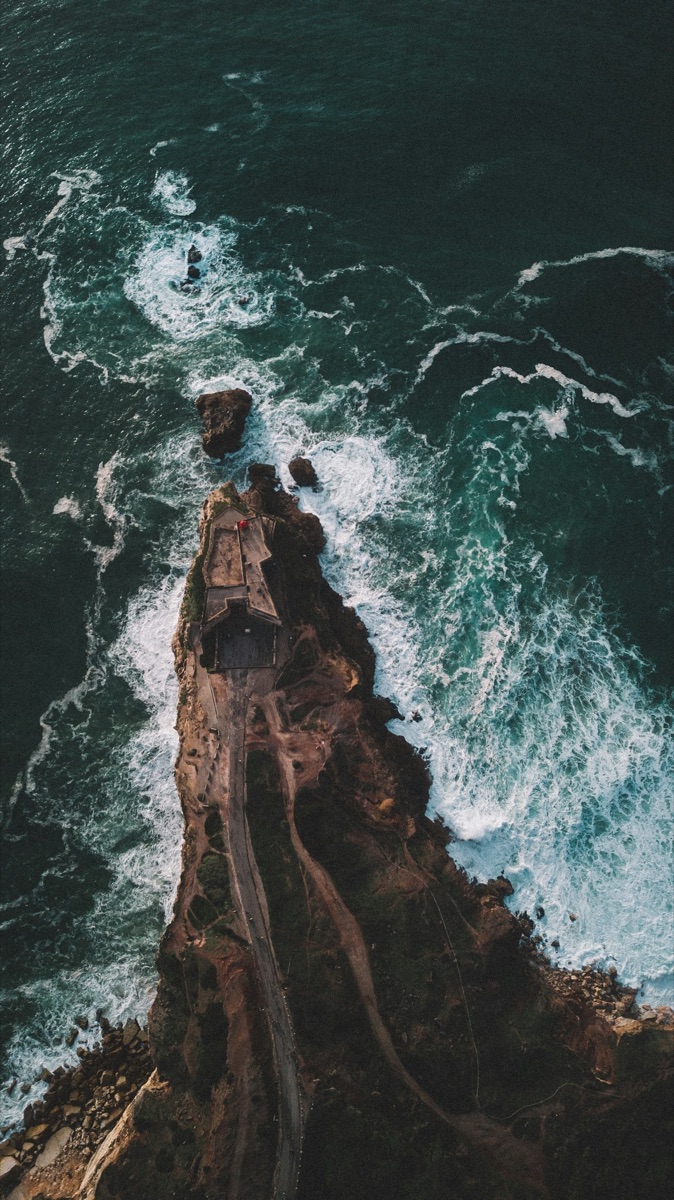
Nazaré and Ericeira both carry significant weight in international surf culture - but for very different reasons, and they offer radically different experiences. Nazaré is famous for one thing: the largest surfable waves ever recorded on Earth, generated by an underwater canyon. Ericeira is Europe’s only World Surfing Reserve - a cluster of world-class reef and beach breaks in a beautifully preserved fishing village. Here is what separates them.
Quick Verdict
| Category | Nazaré | Ericeira |
|---|---|---|
| Big wave spectacle | Winner | - |
| Surfable waves (range) | - | Winner |
| Town character | Winner | Winner (different) |
| Beginner surf | Average | Better |
| Intermediate/Expert surf | - | Winner |
| Food and restaurants | Winner | Good |
| Proximity to Lisbon | Similar | Slightly closer |
| Non-surfer appeal | Winner | Surf-focused |
Visit Nazaré for the big wave spectacle, a characterful Portuguese fishing town, and outstanding seafood. Visit Ericeira if you are a surfer (at any level) wanting to actually get in the water at world-class breaks.
The Waves
Nazaré
Nazaré achieved global fame in 2011 when Garrett McNamara rode a wave estimated at 23.77 metres at Praia do Norte - a world record. The waves are generated by the Nazaré Canyon, an 170 km-long underwater gorge that funnels Atlantic swell energy directly toward the cliff, stacking the waves to extraordinary heights. The record has been broken several times since, with waves of 26–27 metres claimed and disputed (official measurement is complex).
Praia do Norte (the big wave spot) is around the headland from the main beach, below the Sítio clifftop. The best viewing point is the miradouro at Sítio, reached by the funicular (€1.50) or a 10-minute walk up the cliff path. The big waves typically arrive from October through March during and after Atlantic storms. In summer, the canyon still produces larger-than-average waves but nothing like the winter monsters.
Praia da Nazaré (the main beach) is a large, exposed beach break used by local surfers but not exceptional by Portuguese standards. It picks up swell well but has no particular technical quality. Fine for an intermediate surfer’s session; not a reason in itself to travel to Nazaré.
Ericeira
Ericeira holds Europe’s only World Surfing Reserve designation - awarded by the Save The Waves Coalition for the quality and diversity of its surf breaks. The reserve covers eight breaks across 4 km of coastline:
- Ribeira d’Ilhas: The signature break. A right-hand reef offering consistent, hollow waves from 0.5m to 3m+. Works on most conditions; the reference break for judging Ericeira.
- Coxos: A powerful right-hand point break further south - considered one of Portugal’s finest waves. Best at 1.5–3m with a solid north swell. Expert surfers only.
- São Lourenço: A reef break near Coxos, also for experienced surfers.
- Foz do Lizandro: A sandy beach break north of town - the beginner zone, home to most surf schools.
Winner for surfing: Ericeira, clearly. Nazaré’s waves are too extreme for almost all surfers.
The Towns
Nazaré has two distinct parts separated by a 110-metre cliff. The Praia (lower town) is a working fishing town - boats pulled up on the beach, a morning fish auction (Lota), and rows of nets being repaired on the sand by black-clad nazarenas (women in traditional seven-petticoat dress). This is genuine working-class Portuguese coastal culture, not a tourist reconstruction. The lower town has excellent seafood restaurants clustered around the fish market and along Avenida da República.
The Sítio (upper town) is reached by the Elevador funicular (€1.50 each way, running from 7am to midnight in summer). The square at the top has the Santuário de Nossa Senhora da Nazaré (Baroque, free entry), a small bullfighting arena, and the miradouro viewpoint overlooking the entire bay. Garrett McNamara’s surfing transformed Sítio into a pilgrimage point - there is now a small museum dedicated to the big waves (Museu do Surf, entry approximately €5).
Ericeira is Portugal’s most attractive surf town - whitewashed houses, blue trim, cobbled streets, and a clifftop location above the surf. The centre (Praça da República) has outdoor restaurant seating and is one of the most pleasant café squares on Portugal’s west coast. The town has been significantly developed in the last decade by its surf identity: quality coffee shops, a good natural food scene, and surf-adjacent boutiques now co-exist with the fishing heritage.
Winner for town character: Both are strong but very different. Nazaré for authentic working fishing town atmosphere; Ericeira for beauty and quality of life.
Food
Nazaré has some of the Algarve’s finest seafood - specifically, some of the best percebes (barnacles, approximately €20–30 per portion depending on season), grilled caldeirada (fish stew, €14–18), and fresh sardines on outdoor grills in summer. The restaurants around the fish market (Restaurante O Casalinho, mains €14–20; Taberna d’Adélia, mains €12–18) are excellent and used heavily by locals.
Ericeira’s restaurant scene has broadened significantly. Casa d’Avó (Rua Dr. Eduardo Burnay, seafood mains €16–24) is outstanding for fresh fish. Mar das Latas (fine dining, tasting menu from €65) represents the town’s evolution toward destination dining. The café culture - brought by the international surf community - means genuine specialty coffee (A Pastelaria and Sol Surf Cafe both roast properly) and international food options alongside traditional Portuguese.
Winner: Nazaré for traditional seafood; Ericeira for variety and café culture.
Accommodation
Nazaré:
- Magic Spot Hostel (surf hostel, dorm from €22, doubles from €65)
- Hotel Maré (three-star, sea view rooms, from €90/night)
- Villa Nazaré (boutique, from €120/night)
- Abundant self-catering apartments from €70–120/night
Ericeira:
- The Spot Ericeira (surf hostel with community, dorm from €30, doubles from €80)
- Hotel Solar Palmeiras (boutique, from €100/night)
- Surf Experience Ericeira (surf camp with lessons included, from €80/night)
- Apartamentos The Wave (self-catering, from €90/night)
Both towns are comparable in accommodation pricing. Summer peak prices in both rise 40–60%.
Search hotels in Nazaré on Booking.com to compare rates and availability.
Getting There
Nazaré is approximately 120 km north of Lisbon - about 1.5 hours by car via the A8 motorway and then regional roads. There is no direct bus from Lisbon; the route involves a change at Caldas da Rainha or Alcobaça (approximately 2 hours total). Nearby Alcobaça and Batalha monasteries make the journey worthwhile as a day or weekend trip combination.
Ericeira is approximately 50 km north of Lisbon - about 50–60 minutes by car via the A8 (exit Malveira) or 1.5–2 hours by Mafrense bus from Campo Grande terminal (€4).
Winner for accessibility: Ericeira.
Combining Both
Nazaré and Ericeira are 60 km apart by road - an easy pairing on a west coast road trip. A common route: Ericeira (surf base, 3–4 days) → Peniche (day trip or night stop, Supertubos) → Óbidos (lunch stop, medieval walled village) → Nazaré (1–2 nights for the town, seafood, and big wave viewpoint) → Alcobaça and Batalha monasteries → Coimbra. This covers the best of Portugal’s surf coast and links to the centre of the country. See our Portugal road trip itinerary for a fuller version.
When to Go for Big Waves at Nazaré
October through March is the big wave season. The largest swells arrive after Atlantic storms - typically 48–72 hours after the storm centre. The Windguru and Magicseaweed forecasts are monitored obsessively by both surfers and spectators. There is no guaranteed day to visit for monster waves - the best strategy is to watch forecasts and be flexible, or visit in November–January when the probability is highest. The miradouro at Sítio is free and open at any time.
If you’re heading to Nazaré, tours in Nazaré covers guided experiences and day trips. For Ericeira, tours in Ericeira has the same.
car hire in Portugal is the most practical way to combine both destinations without relying on bus timetables.
Final Verdict
Nazaré and Ericeira are different kinds of destination that happen to share a coastal road. Nazaré is for spectators, seafood lovers, and anyone who wants to experience an authentic Portuguese fishing town undergoing a remarkable transformation from obscurity to global surf fame. Ericeira is for surfers who want to actually get in the water at world-class breaks, in a beautiful village that has grown into one of Portugal’s most enjoyable coastal towns.
Go to Nazaré for the spectacle. Go to Ericeira to surf.
More Portugal Comparisons
- Ericeira vs Peniche — the two best surf spots on the Silver Coast
- Silver Coast vs Algarve — Portugal’s two Atlantic coastlines compared
- Sintra vs Cascais — another great Lisbon-area comparison
- Lisbon vs Porto — Portugal’s two great cities and which to base from
Plan Your Trip
🏨 Search hotels in Nazaré 🏨 Search hotels in Ericeira ✈️ Book your flights to Portugal 🛡️ Get travel insurance 📱 Stay connected with an eSIM 🚗 Rent a car