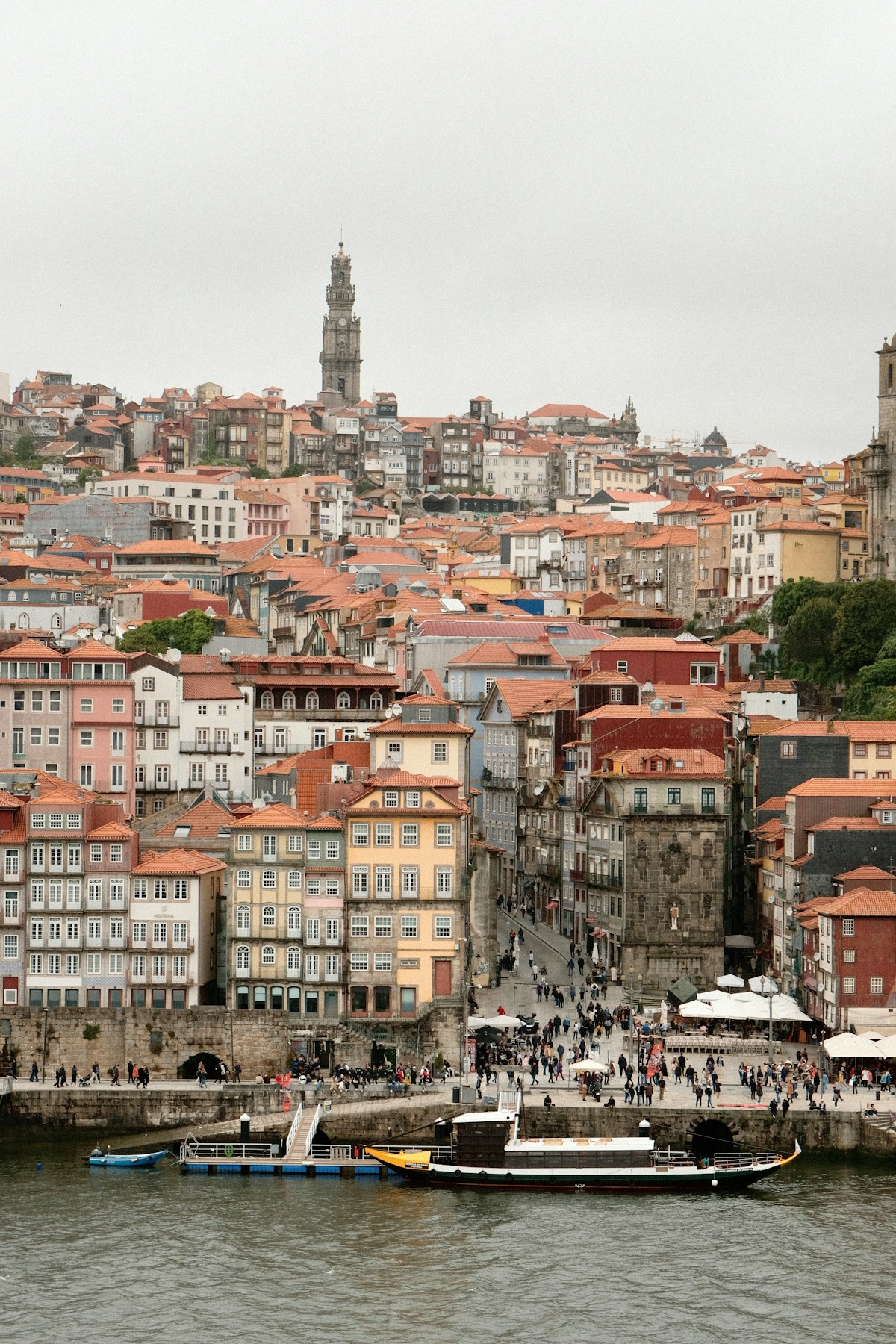
Porto and the Algarve offer genuinely different versions of Portugal. Porto is the country’s second city: compact, atmospheric, built across steep hillsides above the Douro River, and home to some of the best food and wine tourism in Iberia. The Algarve is a 150km strip of Atlantic coastline in southern Portugal, built around Europe-class beaches, limestone sea stacks, and reliable sunshine from June through September. One is a city destination; the other is a beach destination. The question is which kind of holiday you want.
Quick Verdict
| Category | Porto | Algarve |
|---|---|---|
| Beaches | Wave beaches only | Winner |
| Wine | Winner | Limited |
| Food scene | Winner | Resort standard |
| Culture and museums | Winner | Limited |
| Sunshine hours | Good | Winner |
| Family holidays | Possible | Winner |
| Day trips | Good | Some coastal options |
| Nightlife | Good | Albufeira strip only |
| Budget | Winner (cheaper) | More expensive |
Choose Porto if you want an atmospheric city break with excellent food, port wine, and Douro Valley day trips. Choose the Algarve if your holiday is primarily about beach time, sunshine, watersports, or a family trip with young children.
What Porto Offers
Porto is a city that rewards slow exploration. The Ribeira district along the Douro is a UNESCO World Heritage Site — rows of painted, azulejo-covered buildings above the river, connected to the port wine lodges of Vila Nova de Gaia by the double-decked Luís I bridge. The bridge walk and the view from the upper deck are two of the best free experiences in Portugal.
The Livraria Lello bookshop (€5 entry, redeemable against a book purchase) is one of Europe’s most beautiful bookshops — a neo-Gothic interior with a carved staircase that predates the Harry Potter comparisons by a century. São Bento station’s entrance hall is covered in 20,000 blue and white azulejo tiles depicting Portuguese history; it is free to enter. The Serralves Foundation (€10) combines a contemporary art museum with one of the best parks in the country.
Port wine is Porto’s signature experience. The large lodges in Vila Nova de Gaia — Graham’s, Sandeman, Ramos Pinto — offer cellar tours and tastings from €5–15. Graham’s Vintage and Tawny tasting session runs €20 per person and is worth the premium. In the Foz district at the river mouth, newer wine bars serve Vinho Verde alongside the port in more relaxed settings. A francesinha (Porto’s signature meat sandwich in tomato-beer sauce, topped with a fried egg) at Café Santiago on Rua Passos Manuel costs around €13 and is a required experience.
What the Algarve Offers
The Algarve is among the best beach destinations in Western Europe. The central Algarve between Lagos and Faro delivers the classic image: golden limestone cliffs worn into arches and sea stacks, sheltered sandy coves with crystal water, and town beaches backed by seafront restaurants. Praia da Marinha near Lagoa is widely rated the most beautiful beach in Portugal — small, cave-framed, and stunning. The Benagil cave, accessible by kayak or boat tour from the beach (from €15 per person), is one of Portugal’s most photographed features.
The eastern Algarve around Tavira is quieter: the Ria Formosa lagoon and its barrier island beaches are reachable by 10-minute ferry (€2 return) and significantly less crowded than the central resort coast. The western Algarve around Sagres and Vila do Bispo is wilder — windswept headlands and exposed Atlantic beaches at Europe’s south-westernmost tip.
Watersports are well developed throughout: surf lessons around Lagos and Sagres (from €35/2 hours), dolphin-watching tours from Portimão and Albufeira (from €35 adult), and sailing day trips from Lagos (from €50 adult).
Beaches
Porto has Atlantic beaches that are worth visiting — Matosinhos is 10 minutes by metro (Line A) from the city centre, and the seafood restaurants behind the beach are outstanding. But these are open-ocean beaches with waves and often strong currents: suitable for surfers, less suitable for young children or anyone wanting flat, calm water.
The Algarve’s cove beaches between Lagos and Carvoeiro are a different proposition. Calm, sheltered, clear water, and soft sand. Water temperatures reach 22–23°C in August — warm enough for comfortable swimming. The scale of excellent beaches is also different: the Algarve has 150km of coast with dozens of distinct beaches, from the small and intimate (Praia da Marinha, Praia do Camilo) to the long and wide (Meia Praia, Praia da Rocha).
Winner: Algarve, comfortably.
Food
Porto’s food scene is stronger and more distinctive. Beyond the francesinha, the city has excellent seafood — salt cod at Tasca do Chico in Bonfim (around €14), grilled sea bass at the restaurants behind Matosinhos beach (€16–22). The Mercado do Bolhão, reopened after renovation in 2022, is an excellent morning market for cheese, charcuterie, and produce. For a longer meal, DOP restaurant on Largo de São Domingos (owned by Rui Paula, one of Portugal’s most decorated chefs) does seasonal Porto cuisine at around €35–50 per person.
The Algarve’s food is competent but largely resort-focused. The best eating is in the smaller towns: Tavira’s old town has genuinely good seafood restaurants, and the cataplana (copper-pot seafood stew, €16–28 for one) is the regional speciality worth seeking. Olhão’s market (Saturday morning) is the best fish market on the Algarve coast. In Albufeira and Vilamoura, the dominant food is tourist-standard international — acceptable but not a reason to visit.
Winner: Porto for food quality and local character.
Accommodation
Porto: Mid-range hotels in Bonfim, Flores, and Cedofeita run €90–130/night. The Yeatman Hotel in Vila Nova de Gaia is Porto’s finest option — Relais & Châteaux property with a two-Michelin-starred restaurant and pool overlooking the Douro (from €280/night). The Torel Avantgarde in Bonfim is a boutique five-star at strong value for the category (from €180/night). Hostels around the Flores district start from €22/night for a dorm.
Algarve: Accommodation spans budget apartments (€60–90/night) to large resort hotels. Pine Cliffs Resort near Albufeira — an Autograph Collection property with its own beach elevator, six pools, and a golf course — starts from €280/night. Vila Vita Parc near Armação de Pêra has a two-Michelin-starred restaurant and a private beach from €350/night. Mid-range self-catering apartments for families run €100–180/night in July and August; prices drop 30–40% in October.
Search hotels in Porto — Search hotels in the Algarve
Getting There and Around
Porto: Francisco Sá Carneiro Airport is 11km from the city centre, served by direct flights from most UK airports, Ireland, and across Europe. Metro Line E (purple) runs directly from the airport to Trindade station in the city centre (€2.60, 35 minutes).
Algarve: Faro Airport serves the central Algarve with direct flights from the UK (Gatwick, Stansted, Birmingham, Manchester, Bristol), Ireland, and Northern Europe. Most visitors hire a car at Faro: the Algarve’s best beaches are spread across 150km of coast, and the gap between accessible and not-accessible is largely determined by having your own transport. Car hire from Faro starts around €30–50/day booked ahead.
Between the two: Porto to Faro direct by air (TAP, Ryanair) takes about 1 hour 10 minutes and costs €30–80 booked ahead. Driving takes 5.5–6 hours direct or longer if you stop via Lisbon or Setúbal.
Day Trips
Porto’s strongest day trip is the Douro Valley: a 1-hour drive east (or train from Porto Campanhã) brings you into the terraced wine country around Pinhão. River cruises from Porto to Peso da Régua run from €40–80 per person and include a wine quinta visit. The historic city of Guimarães (50 minutes by train, €4.20) was Portugal’s first capital. Braga (1 hour by train, €3.60) is the country’s religious hub with the Bom Jesus sanctuary and a beautiful old city.
The Algarve’s day trips are mainly coastal variations: a boat to the Benagil caves, a ferry to the Ria Formosa islands, or a drive to Sagres and Cabo de São Vicente — the south-westernmost point of mainland Europe, with a lighthouse at the edge of the Atlantic.
Winner: Porto for day-trip variety and depth.
When to Visit
Porto: May through October is ideal, with September and October particularly good — warm, post-peak, and the Douro Valley grape harvest begins in September. July and August are busy but manageable (Porto gets far fewer tourists than Lisbon in summer). Winter is mild (11–14°C) and Porto in December has a good festive atmosphere.
Algarve: Best June through September. July and August give the most reliable beach weather (30°C+, sea 22–23°C) but also the highest prices and most crowds. October is a strong value choice — still warm enough for beach days, prices drop significantly. April and May are good for exploring but sea temperatures are too cold for swimming.
Final Verdict
If you are choosing between Porto and the Algarve for a first trip to Portugal, think about the holiday you actually want. Porto is a city break — it rewards walking, eating, wine-tasting, and exploring neighbourhoods. The Algarve is a beach holiday — it rewards doing almost nothing except lying in the sun and swimming in clear water.
Both are excellent at what they do. Porto is the better choice for couples without children, wine enthusiasts, city break travellers, and those who want to combine with a Douro Valley day trip. The Algarve is the better choice for families with young children, beach-primary travellers, and those seeking reliable summer weather with resort infrastructure.
If you have two weeks, Porto and Lisbon together make a natural city pairing, with the Algarve added as the beach finale for a three-destination Portugal trip.
More Portugal Comparisons
- Lisbon vs Algarve — Portugal’s capital against its biggest beach region
- Algarve vs Madeira — beach holiday versus volcanic island hiking
- Silver Coast vs Algarve — Portugal’s two Atlantic coastlines compared
- Lisbon vs Porto — Portugal’s two great cities compared end to end
Plan Your Trip
✈️ Book your flights to Portugal 🛡️ Get travel insurance 📱 Stay connected with an eSIM 🚗 Rent a car