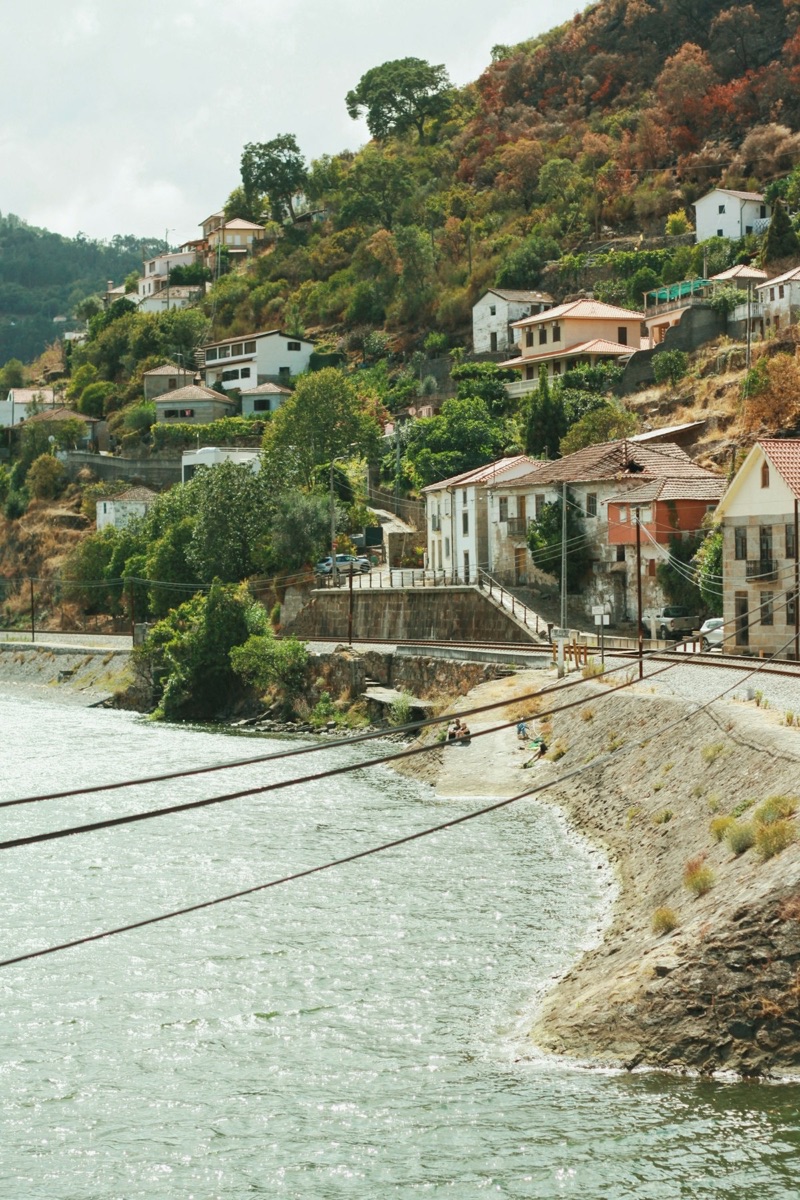
Lisbon and Porto are Portugal’s two great cities - and they are genuinely different in character. Lisbon is the capital: grander, more cosmopolitan, more visited, and more expensive. Porto is smaller, scrappier, and often more atmospheric - the kind of city where you stumble into an old wine cellar on a cobbled backstreet and lose the afternoon. Here is how they compare on everything that matters.
Quick Verdict
| Category | Lisbon | Porto |
|---|---|---|
| Scale and variety | Winner | - |
| Atmosphere | - | Winner |
| Budget | - | Cheaper |
| Day trips | Winner | - |
| Wine culture | - | Winner |
| Beaches | Day trips available | Day trips available |
| Architecture | Both outstanding | Both outstanding |
| Nightlife | Winner | Good but smaller |
Choose Lisbon if it is your first visit to Portugal, you want the biggest range of attractions, or you plan day trips to Sintra, Cascais, or the Alentejo. Choose Porto if you want a more intimate city with a strong local identity, lower prices, and you love port wine.
Cost Comparison
Porto has a consistent price advantage over Lisbon across most spending categories.
Lisbon: A mid-range hotel in Lisbon’s central neighbourhoods (Baixa, Chiado, Príncipe Real) runs €110–180/night. A restaurant main course in a tourist-adjacent area costs €14–22. A Lime or Bird e-scooter ride across the city runs €3–5. The Lisboa Card (24 hours, €21.50) covers unlimited metro and buses plus free entry to 24 attractions including Belém Tower and Jerónimos Monastery.
Porto: Mid-range hotels near the Ribeira or Bonfim neighbourhood average €90–130/night. Restaurant mains run €11–17; a francesinha (Porto’s signature sandwich-stew) costs €12–16 at most places. A day pass on Porto’s metro and buses costs €4.80. The Porto Card (24 hours, €13) covers public transport and discounts at over 100 attractions.
Winner: Porto for budget-conscious travellers. Lisbon for those willing to spend for a broader range of options.
Sights and Culture
Lisbon
Lisbon spreads across seven hills, and the viewpoints - miradouros - are some of the best free experiences in any European capital. Miradouro da Graça and Portas do Sol overlook the Alfama district and the Tagus estuary. The Belém neighbourhood, a 15-minute tram ride west of the centre, holds Lisbon’s most famous monuments: the Jerónimos Monastery (€10, free Sunday mornings until 2pm) and the Torre de Belém (€6). The Museu Nacional do Azulejo (€5) documents Portugal’s extraordinary tile-making tradition. The LX Factory, a repurposed industrial complex in Alcântara, hosts markets, restaurants, and independent shops - Sunday market is the highlight.
Porto
Porto earns its reputation through atmosphere rather than single landmark attractions. The Ribeira district along the Douro is a UNESCO World Heritage Site - rows of painted, azulejo-clad buildings reflected in the river, with the Luís I bridge overhead. The São Bento train station entrance hall is covered in 20,000 azulejo tiles depicting scenes from Portuguese history - free to walk in and see. The Livraria Lello bookshop (€5 entry, redeemable against a book purchase) was one of the inspirations for Harry Potter’s Hogwarts library. The Serralves Museum of Contemporary Art (€10) is outstanding if you have a half-day for modern art.
Winner: Lisbon has more headline attractions. Porto wins on overall atmosphere and the feeling of discovery.
Food
Lisbon has a broader international dining scene - you will find everything from high-end tasting menus to Japanese, Vietnamese, and Brazilian restaurants. The Time Out Market in Cais do Sodré brings together top chefs under one roof; expect €10–18 per dish. For traditional food, the Alfama district has tascas serving grilled fish and petiscos (Portuguese tapas). A good bacalhau à brás at Solar dos Presuntos costs around €18.
Porto’s food identity is stronger and more distinctive. The francesinha - a meat sandwich soaked in a tomato-beer sauce, topped with a fried egg - is Porto’s signature dish and worth trying at least once; Café Santiago (Rua Passos Manuel, around €13) is one of the most respected spots. Porto’s meat dishes in general tend to richer, more substantial cooking than Lisbon’s seafood-forward menus. For wine with dinner, any of the port lodges in Vila Nova de Gaia across the river offer free cellar tours and tastings from €5.
See our Porto restaurants and Lisbon restaurants guides for specific picks.
Winner: A draw - Lisbon for variety and international food; Porto for local character and value.
Accommodation
Lisbon has more luxury options - the Bairro Alto Hotel (five-star, from €350/night), the Memmo Alfama (boutique, four-star, from €200/night), and the Martinhal Chiado (family-focused, from €180/night) are all excellent. Budget travellers have plenty of well-reviewed hostels in the Intendente and Anjos neighbourhoods from €20/night for a dorm.
Porto’s accommodation scene is stronger in the mid-range. The Yeatman Hotel in Vila Nova de Gaia is Porto’s finest option (Relais & Châteaux, from €300/night) with views across the river. The Torel Avantgarde (boutique five-star, from €220/night) in Bonfim is outstanding value for the category. Well-reviewed B&Bs and guesthouses around the Flores and Cedofeita neighbourhoods run €80–120/night.
Getting Around
Both cities are compact enough to walk across the central areas, but both are hilly.
Lisbon: the metro is efficient and covers most tourist areas. Trams are iconic but slow and crowded (Tram 28 through Alfama is worth doing once - ideally on a weekday morning). Uber and Bolt are cheap and plentiful. The historic yellow trams are better used for their atmosphere than as serious transport.
Porto: the metro is newer and cleaner than Lisbon’s, though the network is smaller. Line D crosses the Luís I bridge offering remarkable river views. Walking the central areas is easy. Uber and Bolt run throughout.
Day Trips
Lisbon has a stronger day-trip portfolio:
- Sintra (40 min by train, €2.60 from Rossio) - palaces, forests, UNESCO heritage
- Cascais (40 min by train, €2.60 from Cais do Sodré) - Atlantic beaches and a charming old town
- Setúbal and the Arrábida peninsula - dramatic limestone cliffs and turquoise water (best by car)
- Évora (1.5 hours by bus or train) - Roman temple, medieval walls, and the bone chapel
Porto day trips are fewer but still good:
- Douro Valley wine country - a half-day or full-day river cruise or train journey through vine-terraced hillsides; tours from €45–85
- Braga and Guimarães - Portugal’s religious capital and the birthplace of the nation, both under 1 hour by train
Winner: Lisbon for day trip variety.
Nightlife
Lisbon’s nightlife is genuinely excellent and runs late. The Bairro Alto neighbourhood is dense with bars that spill onto the streets from 10pm; Cais do Sodré has harder-edged clubs and the famous Pink Street (Rua Nova do Carvalho). A Fado dinner show in Alfama costs €35–60 including a meal. The best clubs (Lux Frágil, Musicbox) don’t warm up until 2am.
Porto has a good but smaller scene. The Bonfim and Cedofeita neighbourhoods have craft beer bars and independent music venues. Porto’s nightlife has a younger, more student-driven character - the university population is large. Fado is less embedded in Porto than Lisbon; the city’s musical tradition leans more toward Brazilian-influenced sounds and indie.
Winner: Lisbon for nightlife.
When to Visit
Both cities are excellent from April through October. July and August are peak season - Lisbon in particular gets very crowded, and prices rise 30–40%. Porto gets fewer tourists in summer and is a better choice for August travel. September and October are arguably the best months for both cities: warm, sunny, post-peak crowds, and good prices. December brings Christmas markets and the famous New Year’s Eve fireworks over the Tagus in Lisbon.
See our best time to visit Portugal guide for a month-by-month breakdown.
If you’re heading to lisbon, tours in Lisbon covers guided experiences and day trips. For porto.md, tours across Portugal has the same.
car hire in Portugal is the most practical way to combine both destinations without relying on bus timetables.
Final Verdict
First-time visitor? Start in Lisbon - more to see, better day trips, a bigger city energy. Already been to Lisbon? Porto is a natural and rewarding second visit that often ends up being the favourite. Many travellers find Porto more authentically Portuguese precisely because it is slightly less touristically polished.
If you have seven or more days, combine both. The train is fast, the contrast is striking, and together they give you a more complete picture of Portugal than either city alone.
For remote workers, the comparison extends beyond tourism. Our Lisbon digital nomad guide and Porto digital nomad guide each cover coworking spaces, internet reliability, and neighbourhood options for longer stays - both cities are well suited to remote work, with different cost and lifestyle trade-offs.
More Portugal Comparisons
- Sintra vs Cascais — the great Lisbon day-trip debate
- Coimbra vs Braga — two historic cities to add between Lisbon and Porto
- Lisbon vs Algarve — city culture versus the classic beach holiday
- Évora vs Óbidos — two of the best day trips from Lisbon
Plan Your Trip
🎯 Tours in Porto 🎯 Tours in Lisbon ✈️ Book your flights to Portugal 🛡️ Get travel insurance 📱 Stay connected with an eSIM 🚗 Rent a car