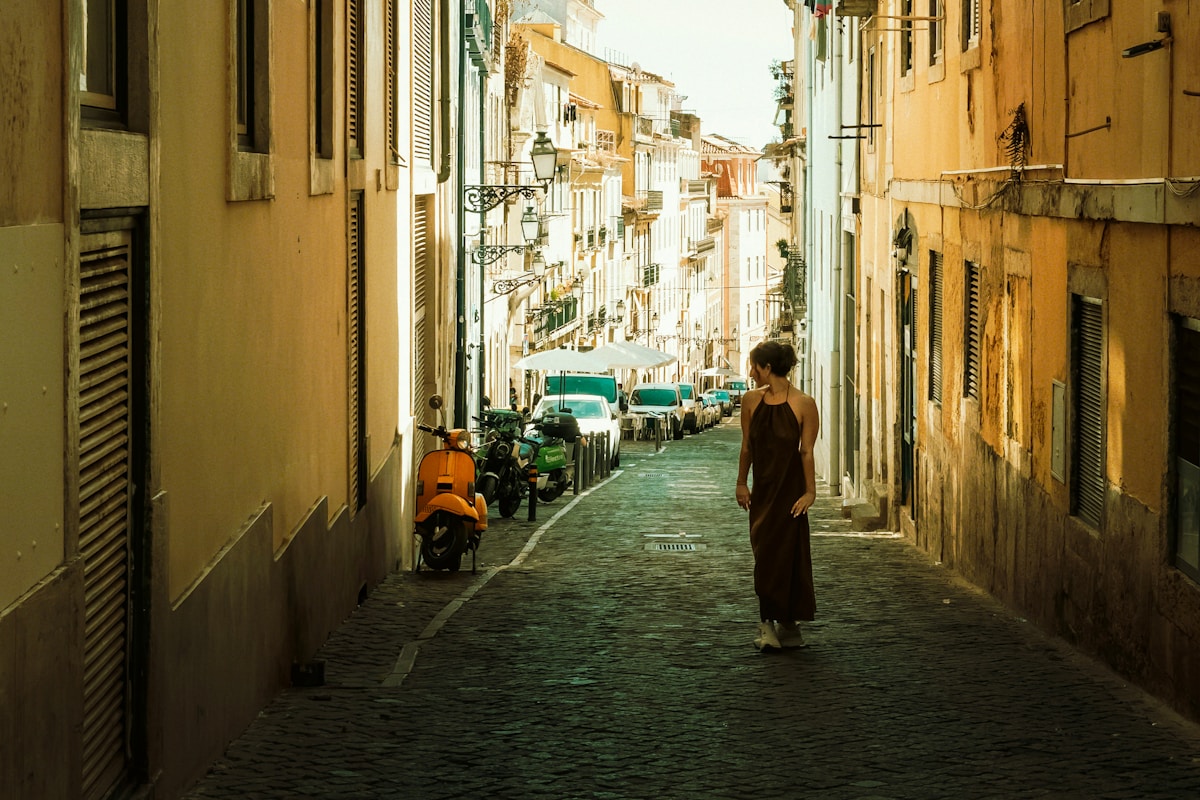
Portugal is one of the easiest countries in Europe to travel solo. The safety record is strong, English is spoken in hotels, restaurants, and transport hubs throughout the country, cities are compact and walkable, and the hostel and digital nomad scene in Lisbon and Porto gives solo travellers a ready-made social infrastructure. It is also significantly cheaper than France, Spain’s main cities, or Italy - a meaningful factor for anyone travelling alone on a single income.
Is Portugal Good for Solo Travel?
By almost every measure, yes. Portugal ranks in the Global Peace Index top 10 and has a lower violent crime rate than most Western European countries. Transport between the main cities is reliable and affordable - the Alfa Pendular train from Lisbon to Porto takes around three hours and costs approximately €25–35 as of 2026. Cities are sized right for solo exploration: Lisbon’s historic neighbourhoods are navigable on foot, and Porto’s entire riverside is walkable in an afternoon.
The hostel infrastructure is mature and strong, particularly in Lisbon and Porto. Unlike some destinations where hostels cater almost exclusively to gap-year backpackers, Portuguese hostels attract a wide age range, including solo travellers over 40 and over 50. Several Lisbon hostels run organised activities - pub crawls, walking tours, and rooftop events - that function as a built-in social programme.
English fluency is high. Younger Portuguese people in particular speak English confidently, and you will encounter very few communication barriers in cities, towns, and tourist areas.
Safety for Solo Travellers
Portugal’s overall safety record is excellent. Violent crime against tourists is rare. The main risk is petty theft, concentrated in specific Lisbon locations.
The most notorious is Tram 28 - the historic tram through Alfama that is simultaneously one of Lisbon’s most photogenic experiences and its most active pickpocketing environment. The tram is old, narrow, and becomes extremely crowded in peak season. Thieves work in pairs or groups, targeting bags, phone-holders, and back pockets. Keep your bag zipped and held in front of you, or consider walking the Tram 28 route through Alfama and Chiado instead - it covers the same neighbourhoods on foot.
Alfama’s viewpoints (miradouros), particularly Miradouro da Graça and Miradouro das Portas do Sol, and the area around Belém’s Jerónimos Monastery are also elevated-risk zones for petty theft in peak season.
Outside these specific locations, Portugal is very relaxed. Night-time safety in Lisbon’s entertainment districts - Bairro Alto, Cais do Sodré, Intendente - is generally good by European city standards.
Solo Female Travel in Portugal
Portugal is consistently rated as one of the best European countries for solo female travellers, and our experience reflects that. Street harassment is minimal compared to Southern European neighbours. Walking alone at night in central Lisbon and Porto is comfortable. The surf communities in Ericeira and Lagos are notably welcoming - these towns attract solo travellers of all genders and the social scenes are relaxed and easy to enter.
For solo women staying in the Algarve, note that some areas - particularly out-of-season resort towns like Vilamoura or Quarteira - can feel quiet and isolated. Lagos, Tavira, and the town of Sagres retain more year-round independent traveller atmosphere.
How to Meet People in Portugal
Portugal’s solo travel infrastructure is better than most people expect.
Hostels with social programmes: Lisbon’s hostel scene is well-developed. Properties like Independente Hostel & Suites, Home Lisbon Hostel, and Living Lounge Hostel run organised social events - bar crawls, fado evenings, shared dinners - that connect solo travellers without requiring any effort on your part. Porto’s hostels are similarly active.
Free walking tours: consistently cited by solo travellers as the most effective way to meet other travellers quickly. In Lisbon, tours depart daily from Praça do Comércio; in Porto, from Praça da Liberdade. Tours typically run two hours and draw a mix of solo travellers, couples, and small groups. Tips are expected at the end.
Digital nomad communities: Lisbon has one of Europe’s largest digital nomad concentrations. The “Digital Nomads in Lisbon” Facebook group has thousands of members and runs regular in-person meetups. NomadX Lisbon organises structured networking events. Coworking spaces - Second Home Lisbon in LX Factory, Heden in Santos, and Village Underground Lisboa - hold member events open to day-pass holders.
Expat and traveller groups: “Expats in Lisbon” and “Expats in Porto” Facebook groups are active and post regular social events, language exchanges, and informal meetups.
Douro Valley wine tours: small-group tours from Porto into the Douro Valley typically carry 8–15 people in a shared minibus, visit two or three quintas, and include a shared lunch. The format creates natural conversation. Douro Valley wine tours range from approximately €65–120 per person as of 2026 and are a strong investment for solo travellers.
Surf schools: Ericeira (a World Surfing Reserve) and Sagres both have clusters of surf schools that run group lessons. Shared surf lessons are one of the more reliable ways to meet people in Portugal’s smaller coastal towns, where the hostel infrastructure is thinner than in Lisbon or Porto.
Fado houses: traditional fado venues in Lisbon - particularly smaller, neighbourhood casas de fado in Alfama - seat solo diners alongside strangers at shared tables. It is one of the few dining experiences where being alone makes meeting people easier rather than harder.
Best Bases for Solo Travellers
Lisbon is the most straightforward base - the hostel scene is strong, transport links are excellent, and there is always something happening. The metro system covers most areas of interest, and Uber is reliable and cheap by Western European standards.
Porto is many solo travellers’ preference for a slower pace, a more residential atmosphere, and a historic centre that rewards long, aimless walking. The hostel scene is active and the riverside Ribeira neighbourhood is sociable without being overwhelming.
Ericeira suits solo travellers who surf or want to be around a surf community. Accommodation is more limited than Lisbon or Porto but the town is small enough that you encounter the same faces repeatedly - social connections form quickly.
Lagos in the Algarve draws a strong independent traveller crowd, particularly from May to September. The old town has a good concentration of hostels, bars, and tour operators running group boat trips and kayaking excursions - all of which function as social opportunities.
Group Tours Worth Taking
Two specific tour formats stand out for solo travellers in Portugal.
Sintra day tours from Lisbon: small-group day trips to Sintra typically include Pena Palace, the Moorish Castle, and sometimes Cabo da Roca (the westernmost point of continental Europe). Tours cost approximately €35–55 per person as of 2026 and save the planning effort of managing three or four sites independently.
Douro Valley wine tours: as noted above, the small-group format and shared minibus make these particularly well-suited to solo travellers. Full-day tours from Porto including two quintas, tastings, and lunch run approximately €80–120 per person as of 2026.
Practical Solo Tips
Budget: a realistic daily budget for a solo traveller in Portugal is approximately €60–80 per day for a mid-range experience (hostel private room or budget guesthouse, two restaurant meals, metro and Uber, one activity). Budget travellers in dorms can get this down to €50–60. Both figures are considerably lower than France, Germany, or the UK as of 2026.
Transport between cities: the Comboio (CP train) network is the most practical intercity option. Lisbon–Porto takes approximately 2h55 on the Alfa Pendular (approximately €25–35 as of 2026, book via Omio). Lisbon–Faro takes around 3 hours. Long-distance Rede Expressos buses are slower but cheaper - useful for routes not well served by train.
Within cities: Lisbon’s metro is efficient and covers most of the city from approximately €1.60 per trip (Viva Viagem card loaded with trips). Uber is available throughout Portugal and is notably affordable - a 15-minute Lisbon trip typically costs €6–10 as of 2026.
The Algarve without a car: the main Algarve rail line runs from Faro west to Lagos and east toward Tavira. It is adequate for moving between major towns, but many of the coast’s best beaches require a car, taxi, or organised tour to reach. Solo travellers based in Lagos or Faro can access most of what the Algarve offers, but those based in resort towns without a car will find mobility limited.
Digital nomad stays: Portugal’s Non-Habitual Residency (NHR) tax regime and D8 Digital Nomad Visa make it an attractive longer-term base. For shorter stays, month-to-month furnished rentals in Lisbon start at approximately €900–1,400 as of 2026 for a studio - expensive by Portuguese standards but competitive for a Western European capital.
Best Time to Go Solo
April to June and September to October are the strongest windows for solo travel in Portugal. Weather is warm and pleasant (18–25°C in Lisbon), crowds are manageable, and the traveller social scene is at its most active - hostels are busy, walking tours are full, and surf schools are running. These months also see more group tour activity in the Douro Valley and Sintra.
July and August bring peak crowds and heat (Lisbon can reach 38°C or above). Prices rise significantly and the best hostel beds sell out weeks ahead. The social atmosphere is lively but the logistics of popular sites - Pena Palace queues, packed Tram 28 - become more demanding.
November to March is quieter, cooler (10–16°C), and significantly cheaper. The hostel scene thins out and some smaller tour operators reduce frequency, but Lisbon and Porto remain very liveable and the surf season on the west coast is at its most powerful.
Food and Dietary Needs
Portugal’s traditional cuisine is meat and seafood-heavy, but Lisbon and Porto both have well-developed plant-based scenes. See our vegan guide to Portugal for specific restaurant recommendations by city, practical tips on navigating Portuguese menus, and where the Algarve’s plant-based options are actually concentrated.
tours across Portugal covers guided experiences across Portugal - from cultural walking tours to day trips from major cities.
an eSIM for Portugal is a straightforward way to stay connected throughout the country. travel insurance is worth comparing before departure.
Connected Guides
- Lisbon city guide - neighbourhoods, transport, Alfama, day trips
- Porto city guide - Ribeira, wine lodges, the Douro, day trips
- Portugal travel costs - real 2026 price benchmarks for all spending categories
- Portugal safety guide - specific risks, pickpocket hotspots, and emergency contacts
- Portugal visa requirements - Schengen 90-day rule, EES border system
- Best time to visit Portugal - seasonal guide covering crowds, weather, and costs by month
- Lisbon digital nomad guide - for those considering a longer solo stay
Plan Your Trip
🏨 Search hotels in Portugal on Booking.com
✈️ Book your flights to Portugal 🛡️ Get travel insurance 📱 Stay connected with an eSIM 🚗 Rent a car