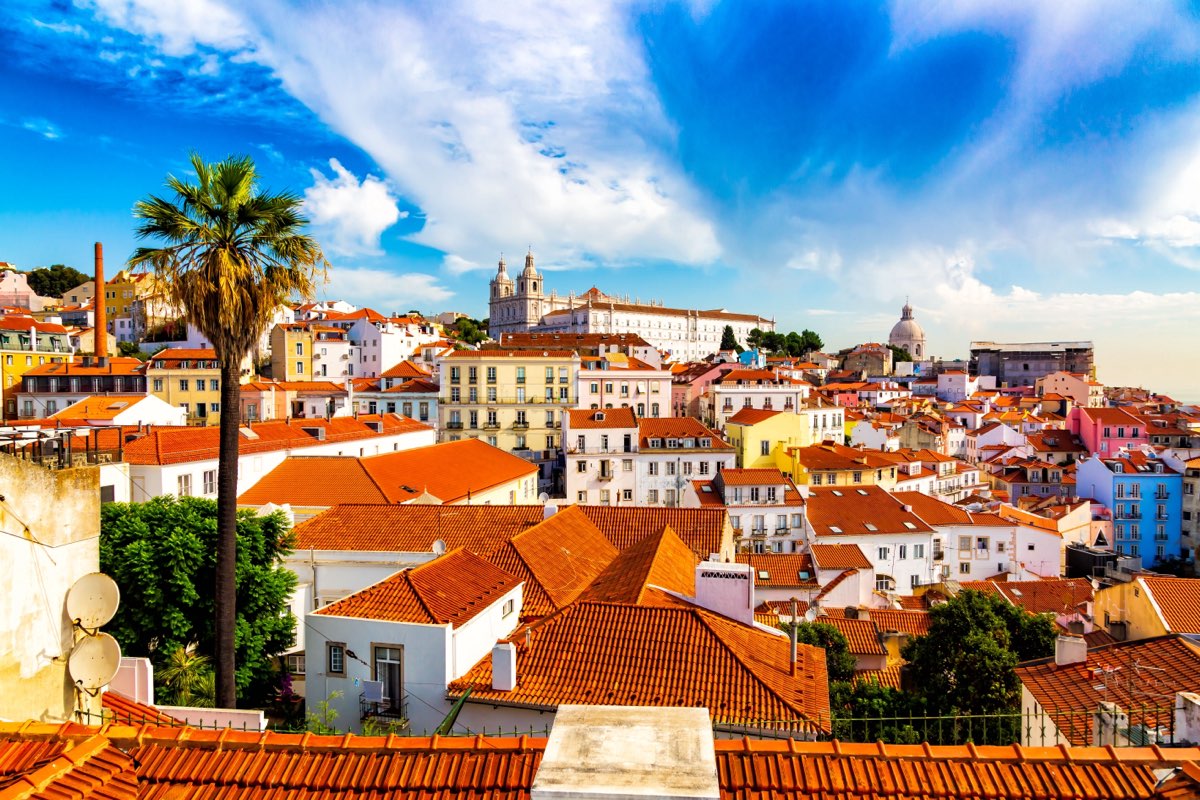
Portugal and Greece are two of southern Europe’s most popular summer destinations, and they are often on the same shortlist for travellers deciding where to spend a week in the Mediterranean. They have more in common than their geography suggests — both are smaller countries with strong maritime identities, outstanding seafood, excellent wine, and ancient sites worth seeing. But they deliver different experiences, and the choice matters. Here is the honest comparison.
Quick Verdict
| Category | Portugal | Greece |
|---|---|---|
| Value for money | Slight edge | Variable (islands expensive) |
| Atlantic coast | Winner | - |
| Aegean islands | - | Winner |
| Ancient ruins | - | Winner |
| Seafood | Both excellent | Both excellent |
| Hiking | Excellent | Excellent |
| Wine value | Winner | - |
| Year-round accessibility | Better | Summer-heavy |
Choose Portugal for Atlantic coast scenery, surfing, year-round warmth, and slightly lower average costs. Choose Greece for the Aegean island experience, ancient archaeology, and the iconic Santorini and Mykonos settings.
Cost Comparison
Costs in both countries vary considerably by destination and season.
Portugal: A mid-range hotel in Lisbon runs €100–160/night. The Algarve in peak season (July–August) pushes to €130–220 for a decent hotel near the beach. Restaurant mains in Lisbon average €14–20; a prato do dia at a local tasca runs €8–12. A half-litre of house wine costs €3–5. The Algarve’s resort towns cost 20–30% more than Lisbon for food and drink.
Greece: Athens accommodation is comparable to Lisbon — €100–160/night mid-range. The Greek islands are where costs escalate. Santorini in July runs €250–500/night for a caldera-view room. Mykonos is similar. Even mid-tier islands like Paros or Naxos see mid-range rooms at €100–180/night in peak season. Ferries between islands cost €15–60 each way, adding significantly to a multi-island itinerary. Food and drink on the islands is noticeably more expensive than Athens.
Winner: Portugal for a single-destination trip to a resort area; Greece is more expensive if you island-hop in high season.
Coastline and Beaches
Portugal’s Atlantic coast is one of the most varied in Europe. The Algarve’s limestone cliffs, sea stacks, and golden-sand beaches (Praia da Marinha, Praia de Benagil, Meia Praia) are consistently rated among Europe’s best. The Costa Vicentina north of Sagres is deliberately undeveloped — long sandy beaches backed by dunes, with serious surf and almost no resort infrastructure. Comporta, north of the Algarve, has attracted attention for its broad empty sands and low-rise village feel. Atlantic water temperatures are cooler than the Mediterranean: 18–22°C in the Algarve versus 24–27°C in the Greek islands in August.
Greece’s Aegean and Ionian coastlines offer warmer, calmer water and island character that Portugal simply cannot match. Santorini’s black volcanic beaches (Perissa, Kamari) and red beach are unique. Crete’s southern coast — Elafonisi with its pink sand, and the Samaria Gorge leading to the Libyan Sea at Agia Roumeli — offers scenery unlike anywhere else. The Ionian islands (Zakynthos, Kefalonia, Lefkada) have emerald lagoons and white-pebble beaches in sheltered bays. Navagio Beach (Shipwreck Beach) on Zakynthos is one of Europe’s most photographed coastal formations.
Winner: Greece for warm water and iconic Aegean island beaches; Portugal for Atlantic power, surf culture, and uncrowded coastline.
Ancient History and Archaeology
Greece is one of the world’s most important archaeological destinations. The Acropolis and Parthenon in Athens remain the defining monuments of Western civilisation. The Minoan Palace of Knossos on Crete (€15) is the largest Bronze Age archaeological site in the Aegean. Delphi (€12), once believed to be the centre of the world, sits dramatically on Mount Parnassus. Olympia hosted the original games for over a millennium. The archaeological museum in Athens holds some of the finest Greek sculpture in existence.
Portugal’s historical monuments are medieval and early modern rather than ancient. The Jerónimos Monastery in Belém (€10) represents the height of the Manueline style and is genuinely one of Europe’s great Gothic-Manueline buildings. Sintra’s Pena Palace (€14) and Quinta da Regaleira (€8) are remarkable 19th-century romantic creations in forested hills. Évora has a genuine Roman temple — two dozen granite columns still standing in the city centre — though it sits more quietly than the major Italian or Greek sites. The Côa Valley rock art in the Douro is one of Europe’s most important Palaeolithic heritage sites.
Winner: Greece by a wide margin for ancient archaeology. Portugal for medieval and Manueline architecture.
Food
Portugal’s food identity is built on the sea. Grilled fish — sea bass, bream, sardines in season — served with boiled potatoes, olive oil, and salad is the national standard and consistently excellent. Bacalhau (salt cod) in its various preparations is ubiquitous. The Time Out Market in Lisbon collects top-end restaurant cooking at accessible prices. Alentejo cuisine — slow-cooked pork, açorda (bread-based soup), and Alentejo cheese — is deeply satisfying. Wine at the neighbourhood level is outstanding: Vinho Verde, Alentejo reds, Douro whites.
Greek food culture centres on the meze tradition — small shared dishes arriving at irregular intervals over a long, sociable meal. Grilled octopus, taramasalata, spanakopita, moussaka, and fresh grilled fish from the day’s catch are all excellent. Cretan cuisine is recognised as one of the world’s most authentically Mediterranean diets. Greek wine has improved dramatically in recent decades — Assyrtiko from Santorini is now an internationally respected white wine.
Winner: A draw — both are seafood-led Mediterranean cuisines at their best. Portugal has a stronger wine value proposition.
Hiking and Nature
Portugal’s Madeira island offers the famous levada network — over 2,000 km of walking paths along irrigation channels through laurisilva forest. The mainland’s Peneda-Gerês National Park in the north is rugged and rarely visited. The Vicentina Coast trail (Rota Vicentina) is one of Europe’s best long-distance coastal walks, running 450 km from Alentejo to Sagres along cliff tops and fishing village paths.
Greece’s Mount Olympus (2,917m) is the country’s highest and most iconic hike. The Samaria Gorge in Crete (18 km, one-way) is Europe’s longest gorge walk. The Vikos Gorge in Epirus is arguably deeper. The Menalon Trail in the Peloponnese and the Naxos hiking network are both excellent. Greek nature is less commercially developed than Portugal’s but offers serious hiking terrain.
Winner: Both are strong. Madeira’s levadas are unique; Greece’s gorge and mountain hiking is more dramatic.
When to Visit
Portugal: Year-round. Lisbon is excellent from March to November; the Algarve peaks in June–September. Shoulder seasons (April–June, September–October) offer warmth, lower prices, and thinner crowds. Even January in the Algarve averages 16°C.
Greece: Strongly seasonal. The islands are best from mid-May to early October. Athens works year-round but summers (July–August) are extreme heat (35–40°C). The best windows are May–June and September–October — warm, less crowded, and with full services operating.
Tours in Portugal cover Lisbon walking tours, Sintra day trips, and Alentejo wine experiences. Hotels in Lisbon on Booking.com are the most practical starting point for accommodation planning.
Car hire in Portugal is the best way to explore the Algarve and Alentejo at your own pace — booking online before arrival is reliably cheaper.
Final Verdict
Portugal and Greece are both excellent European destinations that suit overlapping but distinct traveller profiles. Portugal is the easier, more coherent choice for a compact holiday: one great capital city, one outstanding coastal region, and good rail connections between them. Greece rewards those who want to island-hop, chase archaeological sites, and experience the Aegean. Both have outstanding food and wine. Both are worth returning to.
If budget is tight: Portugal is slightly more forgiving. If the Greek island experience is the goal: nothing else in Europe replicates it.
More Portugal Comparisons
- Portugal vs Spain — the two Iberian neighbours compared in full
- Portugal vs Italy — Atlantic coast versus Mediterranean art and cuisine
- Lisbon vs Madrid — the Iberian capitals head to head
- Madeira vs Azores — comparing Portugal’s two island groups
Plan Your Trip
🏨 Search hotels in Lisbon on Booking.com 🎯 Tours and day trips in Portugal
✈️ Book your flights to Portugal 🛡️ Portugal travel insurance guide · get covered with EKTA 📱 Stay connected with an eSIM 🚗 Rent a car in Portugal