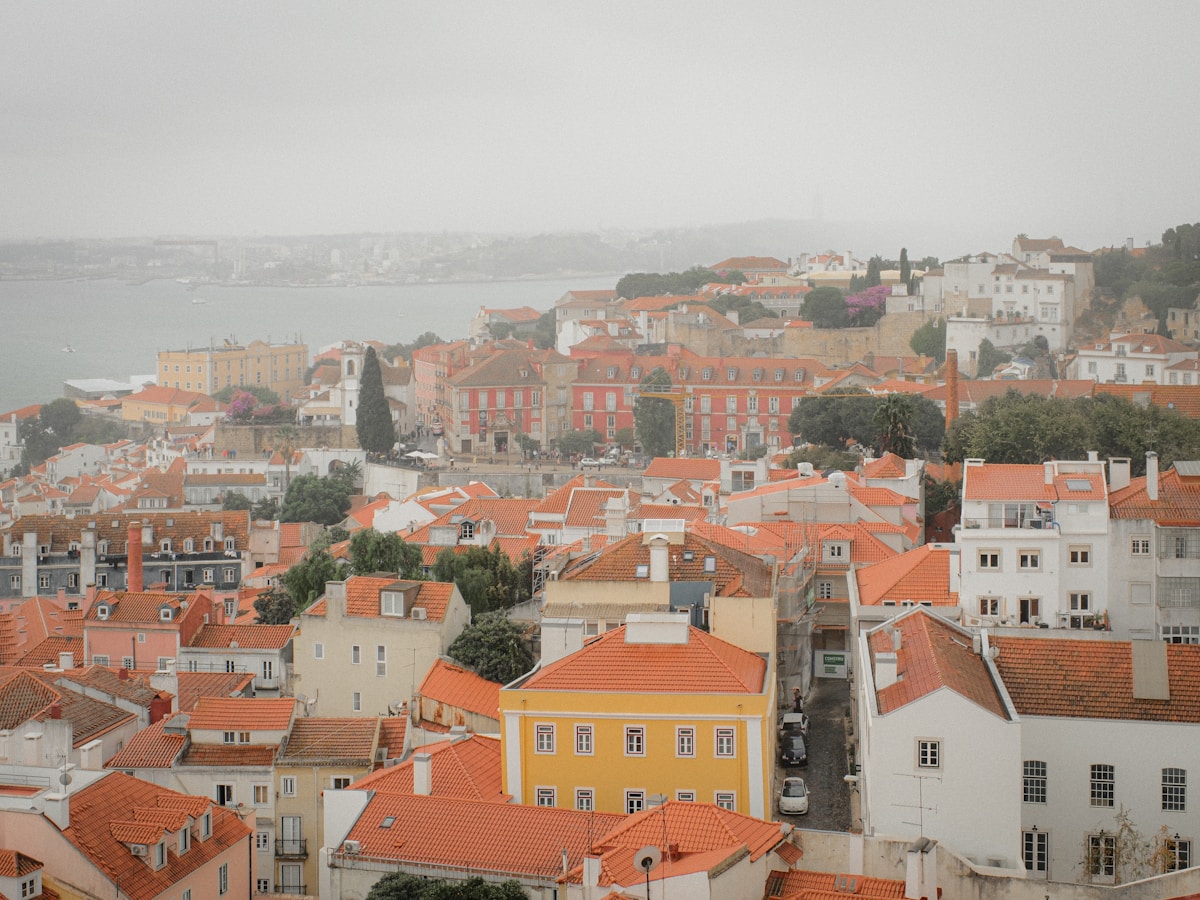
Lisbon and Madrid are two of Europe’s most compelling capital cities - both on the Iberian Peninsula, both with outstanding food, history, and nightlife. But they are significantly different in scale, cost, and character. Madrid is larger, wealthier, and has one of the world’s great museum collections. Lisbon is smaller, cheaper, hillier, and offers a more melancholic, Atlantic-facing personality. Here is the full comparison.
Quick Verdict
| Category | Lisbon | Madrid |
|---|---|---|
| Value for money | Winner | - |
| Museums | - | Winner |
| Tapas / petiscos culture | Good | Winner |
| Atlantic feel | Winner | - |
| Day trips | Winner | Good |
| Crowd levels | Lower | Higher |
| Fado / flamenco | Fado | Flamenco (day trips) |
| Nightlife | Good | Winner |
Choose Lisbon for better value, a more compact and walkable city, and exceptional day trips. Choose Madrid for world-class museums, tapas culture, and a bigger-city energy.
Cost Comparison
Lisbon is consistently cheaper than Madrid, though both cities cost more than smaller Portuguese and Spanish destinations.
Lisbon: A mid-range hotel in the Chiado or Baixa area runs €120–160/night. Restaurant mains average €14–20 in tourist areas; a prato do dia (daily special, including drink and coffee) at a neighbourhood tasca runs €8–12. The Lisboa Card (24 hours, €21.50) covers unlimited public transport and entry to 24+ attractions. A Lime e-scooter ride across the city costs €3–6.
Madrid: Mid-range hotels near the Gran Vía or Sol run €140–200/night. Restaurant mains in tourist areas average €16–26. A breakfast of toast with olive oil and a coffee in Madrid costs €3–5. A metro day pass costs €8.40. The Madrid Card (24 hours, €67 including museum entry) is only worth it for heavy museum-goers.
Winner: Lisbon, consistently.
Museums
Madrid’s museum district - the Paseo del Prado and its surroundings - contains one of the highest concentrations of world-class art in Europe.
Prado Museum (€15, free after 6pm on weekdays): The cornerstone of any Madrid visit. Velázquez’s Las Meninas, Goya’s Saturn Devouring His Son and The Third of May, and El Greco’s The Nobleman with His Hand on His Chest are all here, alongside hundreds of European masterworks. Allow a minimum of 3 hours. Book in advance to avoid queues.
Museo Thyssen-Bornemisza (€16): Fills the chronological gaps the Prado doesn’t cover - Impressionism, Post-Impressionism, Expressionism, and twentieth-century American art. Van Gogh, Monet, Hopper, Kandinsky, and Lucian Freud are all represented.
Reina Sofía Museum (€12): Picasso’s Guernica - the most politically significant artwork of the twentieth century - is the centrepiece. Dalí, Miró, and contemporary Spanish and international artists fill the rest of the building.
Lisbon’s museums are fewer in number but some are genuinely unique:
Museu Nacional do Azulejo (€5): A former monastery dedicated to Portugal’s tradition of azulejo tile-making. The permanent collection traces 500 years of tile history, including a 23-metre panoramic tile map of pre-1755 earthquake Lisbon. Unique in Europe.
Calouste Gulbenkian Foundation (€10): A private collection built by an Armenian oil magnate - extraordinary in its range, from ancient Egyptian artefacts to Lalique jewellery to Impressionist paintings. Often quiet and criminally undervisited.
MAAT (Museum of Art, Architecture and Technology, €10): Lisbon’s contemporary art museum on the Tagus riverside, with a distinctive undulating white roof. Strong programme of international contemporary art.
Winner: Madrid, comprehensively for museum depth.
Food
Madrid’s food scene is built on a tapas culture that is social, informal, and deeply embedded in local life. The tradition of tapeo - moving between bars, each offering a free tapa with every drink - persists in the Latina and Malasaña neighbourhoods and in old-school tabernas on Cava Baja. The Mercado de San Miguel (covered gourmet market, opposite the Plaza Mayor) is excellent for gourmet tapas though prices are higher than local bars. The Rastro Sunday market in La Latina is followed by several hours of bar-hopping - one of Madrid’s great social rituals.
Lisbon’s food scene is less structured but equally rewarding. The Time Out Market in Cais do Sodré collects a dozen of the city’s best chefs in a covered market hall - each stall run by a named restaurant, with dishes from €10–18. The Alfama tascas - small, family-run restaurants with paper tablecloths - serve grilled fish, bacalhau, and petiscos for €10–15 per person with wine. The Lisbon restaurants guide covers the city neighbourhood by neighbourhood.
Wine culture: Lisbon’s wine bars (Zé da Mouraria, Taberna da Rua das Flores) are excellent and inexpensive. A glass of Alentejo red runs €3–5. Madrid has a strong wine bar scene centred on Rioja and Ribera del Duero; quality is high but prices are slightly higher.
Winner: A draw - Madrid for tapas culture and variety; Lisbon for value and fish.
Nightlife
Madrid is one of Europe’s great nightlife cities - it runs on a late schedule that can be disorienting for Northern Europeans: dinner at 10pm, bars from midnight, clubs from 2am. The Malasaña neighbourhood has a strong indie and rock scene. Chueca is the LGBTQ+ hub. The Templo de Debod area around the Jardines de Sabatini has open-air bars in summer. Clubs like Kapital (7 floors, various music) and Joy Eslava (in a converted theatre near Sol) run until 6am.
Lisbon’s nightlife has grown substantially in the last decade. Bairro Alto is the classic bar-hopping neighbourhood from 10pm onward. Lux Frágil near the Alfama is the city’s best club. The Pink Street (Rua Nova do Carvalho) has been revitalised as an after-midnight destination. Fado houses in the Alfama offer dinner-and-music shows from €35–60 per person - a very different but deeply Portuguese evening experience.
Winner: Madrid for sheer scale and late-night duration; Lisbon for atmosphere and Fado.
Day Trips
Lisbon’s day trip portfolio is outstanding:
- Sintra: 40 min by train (€2.60); UNESCO palaces and forested hills; Pena Palace €14, Quinta da Regaleira €8
- Cascais: 40 min by train (€2.60); Atlantic beach town with good seafood
- Évora: 1.5 hours by train; Roman temple, medieval walls, chapel of bones
- Setúbal/Arrábida: dramatic limestone cliffs and turquoise water, best by car
Madrid’s day trips:
- Toledo: 30 min by AVE high-speed train (from €13 each way); medieval city with El Greco paintings and the famous cathedral; one of Spain’s finest day trips
- Segovia: 30 min by AVE (from €13); Roman aqueduct and Alcázar castle above a river
- Ávila: 1.5 hours by bus or train; complete medieval walled city
Winner: Roughly equal - Lisbon’s Sintra is more dramatic; Madrid’s Toledo is the better historical day trip.
Getting Around
Both cities have efficient metro systems. Madrid’s metro (Line 1–12, €1.70 per journey or €8.40/day pass) is one of Europe’s most extensive, covering the entire city including airport terminals 1–4. Lisbon’s metro is smaller and older but covers the main tourist areas; Line 1 (Blue) runs from the airport to central Lisbon.
Madrid is flat and easy to navigate on foot or by Citymapper. Lisbon is hilly - electric tuk-tuks and e-scooters are popular for the steeper districts; trams cover some routes but are slow.
When to Visit
Both cities are best in spring (April–June) and autumn (September–October). Madrid’s summers are extreme - temperatures regularly reach 38–42°C in July and August, making museum visits more appealing than outdoor exploration. Lisbon is hot in summer but Atlantic breezes keep it more manageable than inland Madrid. Both cities are excellent in December - Christmas lights, cooler temperatures, and fewer tourists.
See our best time to visit Portugal guide for detailed seasonal advice for Lisbon.
If you’re heading to Lisbon, tours in Lisbon covers guided experiences and day trips.
car hire in Portugal is the most practical way to combine both destinations without relying on bus timetables.
Final Verdict
Madrid and Lisbon suit different priorities. If museums are your primary travel motivation, Madrid’s Prado–Thyssen–Reina Sofía trifecta is one of the best reasons to visit any European city. If you want better value, a more manageable scale, Fado music, and easier day trips to outstanding UNESCO heritage sites, Lisbon is the choice.
Many travellers to Iberia visit both - the flight between them is short and cheap, and together they represent the two distinct cultures of a fascinating peninsula.
More Portugal Comparisons
- Porto vs Madrid — the smaller Portuguese city versus Spain’s capital
- Lisbon vs Barcelona — the two most visited Iberian cities
- Lisbon vs Seville — the Atlantic city against Andalusia’s finest
- Portugal vs Spain — two countries, one peninsula — the full picture
- Portugal vs Italy — Atlantic coast versus Mediterranean art and cuisine
- Portugal vs Greece — Atlantic versus Aegean for European summer travel
- Madeira vs Canary Islands — the two great Atlantic island groups compared
- Azores vs Hawaii — volcanic Atlantic islands versus Pacific paradise
Plan Your Trip
🏨 Search hotels in Lisbon on Booking.com
✈️ Book your flights to Portugal 🛡️ Portugal travel insurance guide · get covered with EKTA 📱 Stay connected with an eSIM 🚗 Rent a car