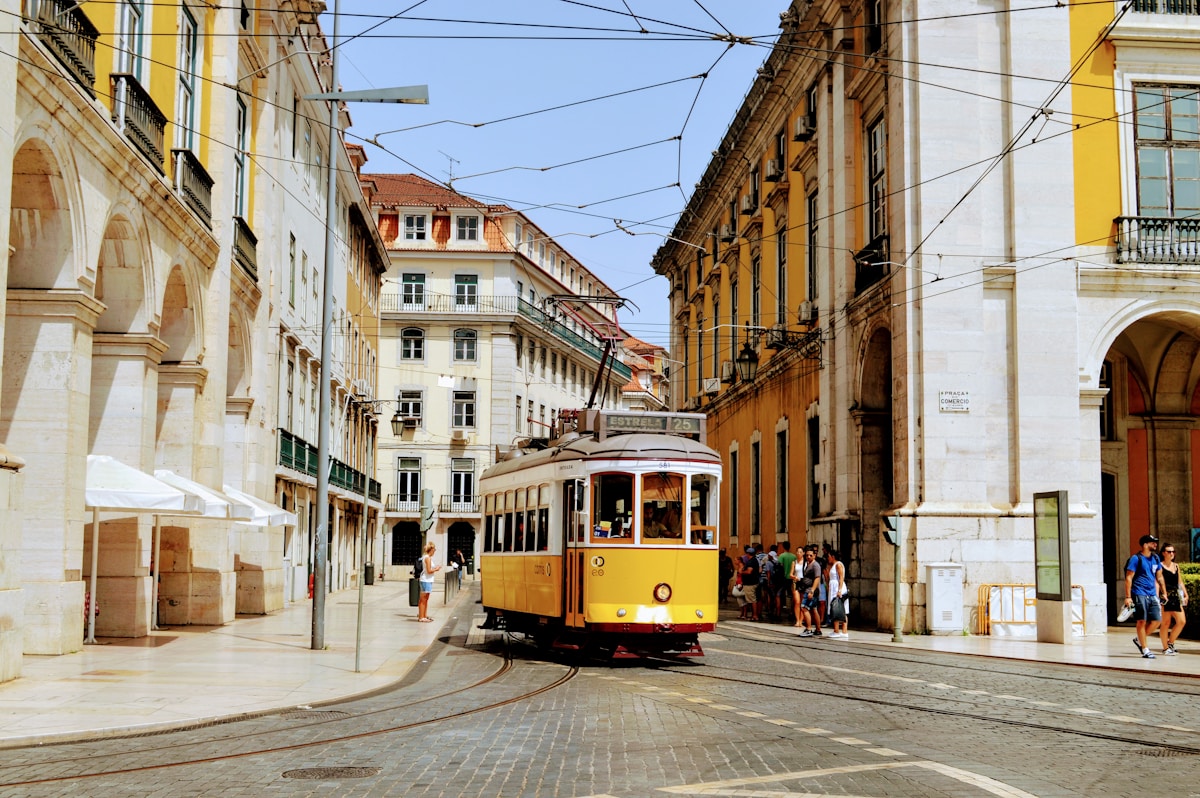
Portugal and Spain share the Iberian Peninsula but they are not interchangeable. Spain is bigger, louder, and more varied - a country of a dozen distinct regions, each with its own food, language, and identity. Portugal is smaller, quieter, and in many ways underrated - a compact country that rewards slow travel with outstanding food, excellent wine, and a coastline that still has genuinely quiet corners. Here is how they compare across the things that matter most to travellers.
Quick Verdict
| Category | Portugal | Spain |
|---|---|---|
| Value for money | Winner | - |
| Nightlife / cities | - | Winner |
| Atlantic coast | Winner | - |
| Mediterranean beaches | - | Winner |
| Seafood | Winner | - |
| Tapas culture | - | Winner |
| Wine value | Winner | - |
| Crowd levels | Fewer | More (but more to see) |
Choose Portugal if you prioritise value, authenticity, a quieter pace, and exceptional seafood and wine. Choose Spain if you want world-class cities, more variety, a stronger nightlife scene, and don’t mind paying a little more.
Climate and Best Time to Visit
Both countries share broadly similar Mediterranean climates in the south, with Atlantic influence stronger in Portugal and northern Spain.
Portugal: Lisbon and the Algarve are warm from April through October, with July and August reaching 30–35°C in the south. The shoulder months of May, June, and September offer the best balance of heat, sun, and manageable crowds. Porto in the north is cooler and wetter year-round, though summers are pleasant.
Spain: The climate varies dramatically by region. Barcelona and the Mediterranean coast are hot and dry in summer. Madrid hits 38–40°C in July and August. The Canary Islands offer year-round warmth (22–28°C). Northern Spain (Galicia, Basque Country) is greener and wetter.
Winner: Depends on your preference, but Portugal’s shoulder season (May and September) is outstanding value with very good weather.
Cost Comparison
Portugal is meaningfully cheaper than Spain for most line items.
Portugal: A realistic daily budget for two people sharing a mid-range hotel runs approximately USD 120–160/day combined, or USD 60–80 per person. A sit-down restaurant meal in Lisbon costs €12–18 for a main course; a prato do dia (dish of the day, including drink and coffee) at a local tasca runs €8–12. A pastel de nata at a bakery costs €1.20–1.50. An Uber across Lisbon rarely exceeds €8.
Spain: Equivalent costs in Madrid run roughly 20–25% higher. A tapas meal in Barcelona can easily reach €20–25 per person without wine. The Alhambra in Granada costs €14 (book months ahead - it sells out). Paella in Valencia from a quality restaurant costs €15–22. Internal trains in Spain on AVE high-speed routes are excellent but not cheap - Madrid to Barcelona from €40–100 depending on booking time.
Winner: Portugal, consistently and across categories.
Cities
Portugal
Lisbon is compact, walkable (if hilly), and best explored by tram, foot, and miradouro (viewpoint). The Belém Tower, Jerónimos Monastery (€10), and the Time Out Market are the headline attractions. Sunset from Miradouro da Graça or Portas do Sol rivals anything in Europe. Lisbon’s nightlife in Bairro Alto and Cais do Sodré runs late but not on the same scale as Madrid.
Porto is increasingly considered Portugal’s more authentic city. The Ribeira district along the Douro river, the Luís I bridge offering hilltop views, and the azulejo tile façades on the São Bento train station are all remarkable. Cross the river to Vila Nova de Gaia to tour port wine cellars - most offer free entry and tastings from around €5–10.
Sintra day trip from Lisbon: UNESCO-listed palaces (Pena Palace €14, Quinta da Regaleira €8) set in forested hills. Go early - it gets very crowded by mid-morning.
Spain
Barcelona combines Gaudí architecture (Sagrada Família €26+, Park Güell €10, La Pedrera €25), beaches, and a nightlife scene that starts at midnight and ends at dawn. The Ramblas is worth one pass but skip the tourist traps along it.
Madrid has the Prado Museum (€15, free most evenings after 6pm), the Thyssen-Bornemisza, and the Reina Sofía (Picasso’s Guernica), plus a tapas culture where bars give free food with drinks - particularly in the Latina and Malasaña neighbourhoods.
Seville combines flamenco (a genuine, living art form here), the Alcázar (€12.50), and Cathedral (€11) with some of Andalusia’s best food. The April Feria festival makes Seville one of Europe’s great celebrations.
Granada’s Alhambra (€14, book months ahead or it will be sold out) is one of Europe’s finest surviving medieval palaces. The Moorish Albaicín neighbourhood above the city is worth an afternoon.
Winner for cities: Spain, by volume and variety. Portugal wins for intimacy and authenticity.
Food
Portugal built its culinary identity on the sea. Bacalhau (salt cod) is prepared in reportedly 365 different ways. Grilled sardines in June and July are a national ritual. Percebes (barnacles, from approximately €25/portion) are a delicacy on the Atlantic coast. The wine list at any neighbourhood tasca will be excellent and cheap - a half-litre of decent house wine for €2–3 is normal.
Spain’s tapas culture is uniquely sociable - the tradition of small plates served alongside drinks means eating becomes an extended, room-hopping social event. San Sebastián (Donostia) in the Basque Country is widely considered one of the world’s best food cities, with the highest concentration of Michelin stars per capita. Paella in Valencia, jamón ibérico from Extremadura, and gazpacho in Andalusia are all regional classics.
Winner: A draw, but for different strengths. Portugal wins on seafood and value; Spain wins on variety and the tapas culture.
Wine
Spain is one of the world’s largest wine producers - Rioja and Ribera del Duero produce world-class reds; Albariño from Galicia is an outstanding white. Cava (Spanish sparkling wine) offers superb value from €5–10 a bottle.
Portugal produces exceptional wine and is criminally underrated. Port wine from the Douro Valley is the international headline act, but Vinho Verde (slightly sparkling white, ideal in summer) and Alentejo reds are both extraordinary value. A very good bottle of Alentejo red costs €6–12 in a Lisbon wine shop.
Winner: Slight edge to Portugal for value and underrated quality relative to reputation.
Can You Do Both?
Yes - Iberia lends itself naturally to combined itineraries. The Lisbon to Seville route takes approximately 2.5 hours by bus (from €30–50 with Alsa or Flixbus). Porto to Santiago de Compostela in Galicia runs roughly 2.5 hours by bus or regional train. A two-week Iberian loop of Lisbon → Évora → Seville → Granada → Madrid → Barcelona is very doable and offers the best of both countries.
Getting There and Around
Both countries are well connected to international hubs. Lisbon and Porto airports handle European and transatlantic flights. Madrid Barajas and Barcelona El Prat are major international hubs.
Within Portugal, trains between Lisbon and Porto take about three hours (from €15–25 on Alfa Pendular). The Algarve is best reached by regional train from Lisbon (approximately 2.5–3 hours, €20–30).
Spain’s AVE high-speed rail network is excellent: Madrid to Barcelona takes 2.5 hours from around €40 booked in advance; Madrid to Seville takes 2.5 hours from €35. Spain is significantly larger, so internal flights can make sense for longer journeys.
Who Should Choose Each?
Choose Portugal if you:
- Are budget-conscious and want strong value
- Prefer smaller cities with a slower pace
- Love seafood, pastries, and Atlantic coast scenery
- Want to avoid peak summer crowds without sacrificing sunshine
Choose Spain if you:
- Want maximum variety and can handle a bigger country
- Prioritise nightlife, tapas culture, and major city energy
- Have a longer trip (two weeks minimum to do it justice)
- Want warmer, calmer Mediterranean beaches
Whichever you choose, tours across Portugal make it easy to book guided day trips, walking tours, and activity packages in advance.
car hire in Portugal gives you the freedom to combine both destinations in a single trip - booking ahead of arrival is reliably cheaper.
Final Verdict
Portugal and Spain are both outstanding - but they suit different travellers. Portugal rewards those who want depth over breadth: fewer major sites, but each one is genuinely excellent and less overrun. Spain rewards those who want to cover ground and experience dramatic regional variety, from Catalan modernisme to Andalusian flamenco.
If you are visiting for the first time and have a week, Portugal is arguably the easier, more coherent introduction to Iberia. Spain needs more time to do it justice.
More Portugal Comparisons
- Lisbon vs Barcelona — the two most visited Iberian cities compared
- Lisbon vs Madrid — the two Iberian capitals head to head
- Porto vs Barcelona — Portugal’s second city against Spain’s most visited
- Lisbon vs Porto — within Portugal: the great city rivalry
Plan Your Trip
🏨 Search hotels in Lisbon on Booking.com
✈️ Book your flights to Portugal 🛡️ Get travel insurance 📱 Stay connected with an eSIM 🚗 Rent a car