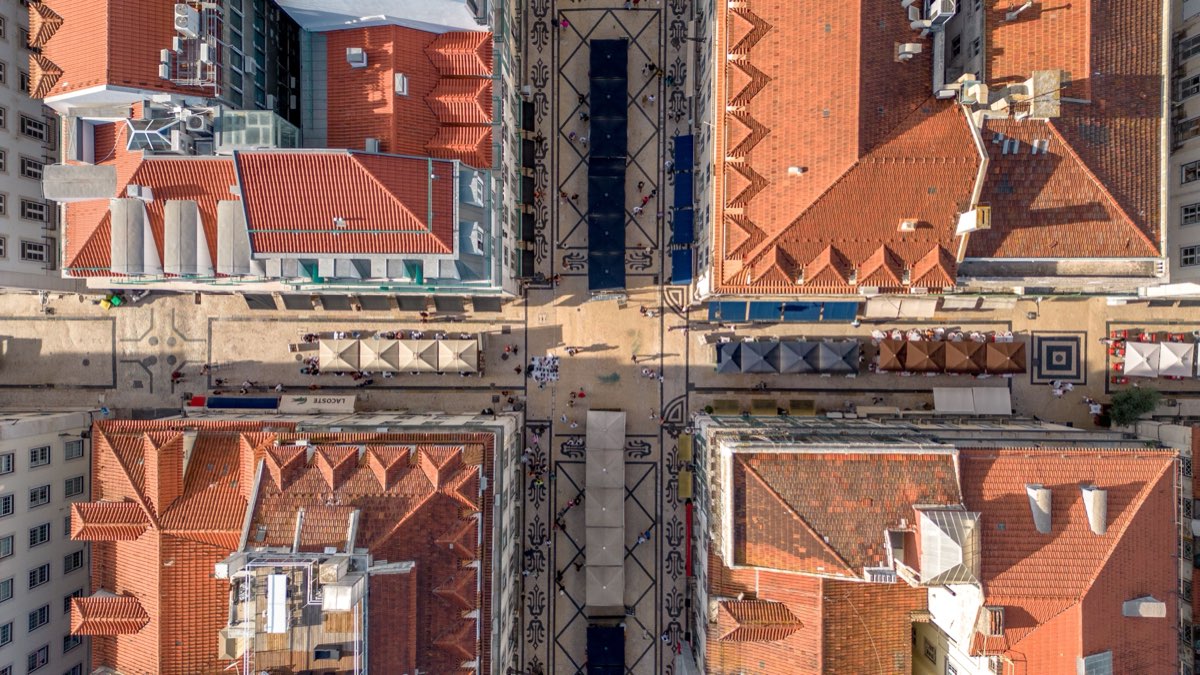
Portugal and Italy are two of southern Europe’s most visited destinations, and they represent genuinely different travel propositions. Italy offers one of the world’s greatest concentrations of art, architecture, and food variety — three millennia of civilisation compressed into a peninsula. Portugal is smaller, quieter, and cheaper, with a strong Atlantic identity, outstanding seafood, and a coastline that remains less overwhelmed by tourism than much of the Mediterranean. Here is the honest comparison.
Quick Verdict
| Category | Portugal | Italy |
|---|---|---|
| Value for money | Winner | - |
| Art and heritage | - | Winner |
| Atlantic coast | Winner | - |
| Mediterranean beaches | - | Winner |
| Seafood | Winner | - |
| Food variety | Good | Winner |
| Wine value | Winner | - |
| Crowd levels | Fewer | More (but more to see) |
Choose Portugal if you want excellent value, a quieter pace, dramatic Atlantic beaches, and outstanding seafood and wine without paying Rome or Venice prices. Choose Italy if museums, ancient ruins, and culinary variety are your primary motivation — Italy rewards longer trips with extraordinary depth.
Cost Comparison
Portugal is meaningfully cheaper across all major travel categories.
Portugal: A mid-range hotel in Lisbon’s Chiado or Bairro Alto costs €100–160/night. Restaurant mains in tourist areas average €14–20; a prato do dia (daily lunch special, including a drink and coffee) at a neighbourhood tasca runs €8–12. A pastel de nata at a bakery is €1.20–1.50. A glass of good Alentejo wine in a Lisbon restaurant costs €4–7. The Lisboa Card (24 hours, €21.50) covers unlimited public transport and 24+ attractions.
Italy: A mid-range hotel near Rome’s historic centre runs €130–220/night; Florence and Venice are similarly priced or higher, with Amalfi coast properties often reaching €250–350 in high season. Restaurant mains in Rome average €18–28; Venice adds a substantial tourist premium. A glass of Chianti Classico in a Florentine restaurant costs €7–12. Entrance to major sites adds up: the Vatican Museums cost €20–27, the Colosseum €16, the Uffizi Gallery €20–25.
Winner: Portugal, consistently. Budget travellers in Portugal can do very well; in Italy’s major cities, controlling costs requires deliberate effort.
Art, Heritage, and History
Italy’s historical depth is unmatched in Europe outside Greece. The Roman Forum and Colosseum in Rome represent the centre of the ancient world. The Vatican Museums contain one of the largest art collections on earth — the Sistine Chapel ceiling alone justifies a flight. Florence’s Uffizi Gallery holds Botticelli’s Birth of Venus, Raphael’s Portrait of Pope Leo X, and Caravaggio’s work within a single building. Venice’s Byzantine mosaics in St Mark’s Basilica and the Grand Canal’s Gothic palaces are unlike anything elsewhere in Europe. Pompeii, preserved by Vesuvius’s eruption in 79 AD, offers the most vivid glimpse of everyday Roman life in existence.
Portugal’s heritage is concentrated rather than comprehensive. Sintra is the headline — a UNESCO World Heritage site with the candy-coloured Pena Palace (€14), the mystical Quinta da Regaleira (€8), and the medieval Moorish Castle set in forested hills 40 minutes from Lisbon by train. The Jerónimos Monastery in Belém (€10) is the finest example of Manueline architecture and is genuinely one of Europe’s great Gothic buildings. The Museu Nacional do Azulejo (€5) traces 500 years of azulejo tile history — unique in Europe. The Calouste Gulbenkian Foundation (€10) is a world-class private collection that is criminally undervisited.
Winner: Italy, comprehensively for heritage density and scale. Portugal for an intimate and excellent but smaller offering.
Food
Italy’s food culture is both broader and more regionally differentiated than Portugal’s. Emilia-Romagna (Bologna) is the heartland of Italian cuisine — parmigiano reggiano, prosciutto di Parma, fresh pasta — and is considered the best region to eat in the country. The Amalfi coast introduces limoncello, fresh mozzarella di bufala, and some of Italy’s finest seafood. Sicilian cuisine is its own tradition: arancini, involtini, caponata, and outstanding raw fish. Pizza in Naples remains the world standard; pasta alla gricia in Rome is one of the simplest and most satisfying dishes in European cooking.
Portugal’s food scene is less varied regionally but deeply satisfying if you like the sea. Bacalhau (salt cod) comes in an estimated 365 preparations. Fresh fish — sea bass, bream, sardines — grilled over charcoal and served with potatoes and olive oil is the national default and consistently excellent. The Time Out Market in Lisbon offers a dozen of the city’s best chefs in one building at reasonable prices. Alentejo’s black pig (porco preto) produces some of the best charcuterie in Europe. Portuguese pastry — pastéis de nata, queijadas, ovos moles — is outstanding.
Wine: both countries produce excellent wine at very different price points. A serious Italian Barolo or Brunello runs €40–80 in a restaurant; a serious Alentejo red costs €18–30. Both are world-class. Portugal wins on value by a significant margin.
Winner: Italy for variety and regional depth; Portugal for seafood and exceptional value.
Beaches
The Algarve is one of Europe’s finest coastlines — sea stacks, hidden coves, golden limestone formations at Praia da Marinha, and long sandy beaches at Meia Praia near Lagos. The Costa Vicentina west of Sagres is one of the least developed stretches of Atlantic coast in Europe: surfing, empty beaches, no resort development. Comporta north of the Algarve is emerging as a stylish alternative to crowded beach destinations.
Italy’s coastline varies from the dramatic (Amalfi coast) to the resort-developed (Rimini) to the genuinely wild (Sardinia’s Golfo di Orosei). The Mediterranean offers warmer, calmer water than Portugal’s Atlantic — sea temperatures in Sicily reach 26°C in August versus Portugal’s 20–22°C. The Cinque Terre on the Ligurian coast is overcrowded in summer but strikingly beautiful in spring and autumn.
Winner: Italy for warm water and Amalfi drama; Portugal for Atlantic power and uncrowded beaches.
Getting There and Around
Both countries are well connected to international hubs. Lisbon and Porto airports handle European and transatlantic routes. Rome Fiumicino, Milan Malpensa, Venice Marco Polo, and Naples Capodichino are all major gateways.
Portugal is compact — Lisbon to Porto takes 3 hours by Alfa Pendular train from €15–25 booked ahead; Lisbon to the Algarve takes 2.5–3 hours by regional train. Italy is larger and more complex internally: Rome to Florence by Frecciarossa high-speed train takes 1.5 hours (from €25–60); Florence to Venice takes 2 hours; Naples is 1 hour south of Rome. Inter-city travel in Italy on high-speed trains is excellent but more expensive than Portugal’s rail network.
A rental car in Portugal is the best way to reach coastal towns and Alentejo villages not covered by trains. In Italy, a car is essential for exploring Tuscany, Sicily, and the south; city driving is not recommended.
When to Visit
Portugal: Spring (April–June) is outstanding — warm, green, and uncrowded. September and October are excellent in Lisbon and the Algarve. Summers in Lisbon are hot (30–35°C) but Atlantic breezes moderate the heat. The Algarve peaks in July–August with the highest prices and largest crowds.
Italy: Spring (April–May) and autumn (September–October) are the ideal windows for Rome and Florence — warm, manageable crowds, and full opening hours at museums. July and August in Rome and Venice are extreme — heat, crowds, and premium prices. Sicily and the south are best in April–June and September–October.
Both countries work well as combined itineraries: Lisbon to Rome is under 3 hours by air. A two-week southern European trip visiting both is very feasible.
Tours in Portugal cover guided walking tours, Sintra day trips, and Alentejo wine experiences across the country. Hotels in Lisbon on Booking.com is the most practical starting point for accommodation.
Final Verdict
Portugal and Italy suit different priorities. Italy rewards visitors who want depth in art, history, and food — it takes multiple trips to do it justice. Portugal delivers an exceptional, coherent experience in a smaller package: one of Europe’s great capital cities in Lisbon, an outstanding wine region in the Douro and Alentejo, and an Atlantic coastline with very few rivals.
For a first European trip on a budget, Portugal is the stronger choice. For a dedicated art-and-food pilgrimage with time and budget, Italy is unmatched.
More Portugal Comparisons
- Portugal vs Spain — the two Iberian neighbours compared in full
- Portugal vs Greece — Atlantic versus Aegean for European summer travel
- Lisbon vs Madrid — the two Iberian capitals head to head
- Lisbon vs Barcelona — Portugal’s capital against Spain’s most visited city
Plan Your Trip
🏨 Search hotels in Lisbon on Booking.com 🎯 Tours and day trips in Portugal
✈️ Book your flights to Portugal 🛡️ Portugal travel insurance guide · get covered with EKTA 📱 Stay connected with an eSIM 🚗 Rent a car in Portugal