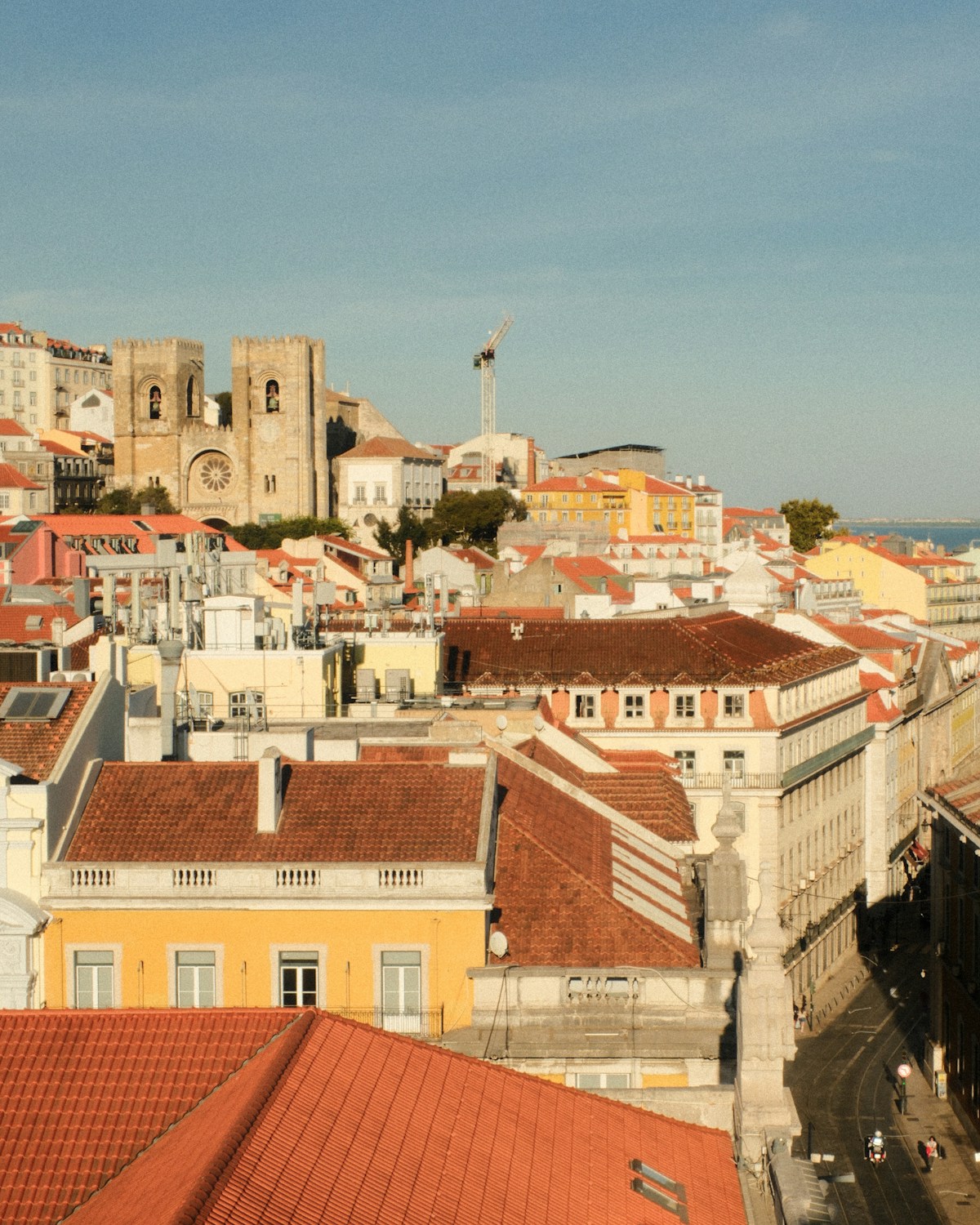
Lisbon and Barcelona are two of Europe’s most popular city-break destinations - both with strong food scenes, vibrant nightlife, and significant history. But they offer fundamentally different experiences. Lisbon is quieter, cheaper, and more melancholic in the best Portuguese sense of the word. Barcelona is louder, pricier, and built around extraordinary architecture and a Mediterranean seafront. Here is how they stack up.
Quick Verdict
| Category | Lisbon | Barcelona |
|---|---|---|
| Value for money | Winner | - |
| Architecture | Good | Winner |
| City beaches | Day trips | Winner |
| Food scene | Strong | Very strong |
| Nightlife | Good | Winner |
| Authenticity | Winner | - |
| Crowd levels | Lower | Higher |
| Day trips | Winner | Good |
Choose Lisbon if you want better value, a quieter pace, fewer tourists, and strong day trip options. Choose Barcelona if iconic architecture, Mediterranean beaches, and big-city energy are your priority.
Cost Comparison
The cost gap between Lisbon and Barcelona is one of the clearest reasons many European travellers now choose Lisbon first.
Lisbon: A good mid-range hotel in Chiado or Príncipe Real runs €120–160/night. A sit-down restaurant meal with wine runs €18–30 per person at a mid-range restaurant. The Lisboa Card (24 hours, €21.50) covers unlimited transport and 24+ attractions. Tram and metro tickets cost €1.61 each with a Viva Viagem card. An Uber across Lisbon costs €4–8.
Barcelona: Mid-range hotels near Las Ramblas or the Gothic Quarter average €160–250/night. A restaurant meal in a tourist area runs €22–35 per person. The Sagrada Família alone costs €26–36 (timed entry required, book weeks ahead). La Pedrera costs €25, Park Güell’s monumental zone €10. A 10-trip metro card costs €12.15 (T-Casual). Taxis and Uber are cheaper than in many European cities, but the overall trip budget is significantly higher.
Winner: Lisbon, clearly and across all categories.
Architecture and Sights
Barcelona’s headline attraction is unrivalled in Europe: the Sagrada Família. Gaudí’s cathedral-in-progress has been under construction since 1882 and is expected to complete around 2026–2030. The interior is extraordinary - a forest of branching stone columns bathed in coloured light through stained glass. Book timed entry well in advance (€26–36 including tower access). Park Güell’s monumental terrace (€10, timed entry) offers mosaic work and views across the city. La Pedrera (€25) and Casa Batlló (€35–45 for the premium experience) complete the Gaudí circuit. The Gothic Quarter, Picasso Museum (€14), and the MNAC (Museu Nacional d’Art de Catalunya, €12) fill out a busy schedule.
Lisbon builds its identity differently. The Alfama district, Lisbon’s oldest neighbourhood, spreads across a hillside above the river - its Moorish street pattern, colourful azulejo tiles, and viewpoints (miradouros) make it one of Europe’s most atmospheric places to simply wander. The Jerónimos Monastery in Belém (€10) is Portugal’s finest example of Manueline Gothic architecture. The Torre de Belém (€6) is more symbolic than architecturally dramatic, but the Belém walk is worthwhile. The MAAT (Museum of Art, Architecture and Technology, €10) on the Tagus riverside is worth an afternoon.
Winner: Barcelona for architecture as a reason to travel. Lisbon for atmosphere and exploration.
Food
Barcelona’s food scene is exceptional and now has a strong claim on being one of Europe’s best cities for eating. The Boqueria market (touristy, but still worth one pass for the produce), El Born neighbourhood’s restaurant density, and the evolution of Catalan cuisine - influenced by Basque and Mediterranean traditions, with chefs like those trained under Ferran Adrià still active - make Barcelona a genuine food destination. A meal at a good restaurant in the Gràcia neighbourhood runs €25–35 per person. The best Catalan restaurants (Ca l’Isidre, Disfrutar) require advance booking and cost €60–150+ per person.
Lisbon’s food scene has improved dramatically over the last decade. The Time Out Market in Cais do Sodré (open from 10am, dishes €10–18 each) brings together a dozen of Lisbon’s best chefs under one roof. The Mercado da Ribeira nearby still functions as a daily produce market. Traditional Alfama tascas serve bacalhau dishes, grilled sardines (seasonal, June–September), and petiscos for €10–15 per person. The Lisbon restaurants guide covers the best options by neighbourhood. Pastéis de nata at Pastéis de Belém (the original, queue expected) cost €1.50 each and are worth the detour.
Winner: Both strong - Barcelona edges it on variety and ambition; Lisbon wins on value.
Beaches
Barcelona’s city beaches are a genuine asset - Barceloneta, Sant Sebastià, and Nova Icària are all reachable by metro in 15 minutes from the Gothic Quarter. The Mediterranean water is warm from June through October and calm enough for children. The beaches get crowded in summer but are cleaned daily and have good facilities.
Lisbon’s nearest ocean swimming is 30 minutes south by ferry to Costa da Caparica - 30 km of Atlantic sand, popular with Lisbonites on weekends. The Cascais train (40 minutes from Cais do Sodré, €2.60) passes Estoril and reaches the pretty beach town of Cascais, with further buses to the wild Guincho beach with its famous dunes. The Atlantic is cooler and the swell higher than Barcelona’s Mediterranean - better for surfing, less ideal for young children.
Winner: Barcelona for convenience; Lisbon for wild beach character.
Nightlife
Barcelona operates on a different clock from most of Europe: dinner at 10pm, clubs from 1am, bed after 5am is not unusual in peak summer. The Eixample neighbourhood has a dense bar scene. Clubs like Pacha, Opium, and Sala Apolo run until sunrise. The LGBTQ+ scene around Eixample (the “Gayxample”) is one of Europe’s most established.
Lisbon’s nightlife has grown considerably in the last decade and now ranks among Europe’s best. Bairro Alto is the most accessible neighbourhood for bar-hopping from 10pm. Cais do Sodré’s Pink Street (Rua Nova do Carvalho) is the densest stretch of bars. Lux Frágil, a split-level club in a former meat warehouse near Alfama, is still the best club in the city (doors from midnight, €10–15 entry). For Fado - Portugal’s melancholic musical tradition - the Alfama neighbourhood has numerous houses; a dinner Fado show costs €35–60 including food.
Winner: Barcelona for pure nightlife scale; Lisbon for atmosphere and Fado.
Day Trips
Lisbon’s day trip options are exceptional:
- Sintra: 40 minutes by train (€2.60 from Rossio), UNESCO World Heritage palaces, forested hills; Pena Palace €14, Quinta da Regaleira €8
- Cascais: 40 minutes by train (€2.60 from Cais do Sodré), beach town with a pleasant old centre and good seafood
- Setúbal and Arrábida: dramatic limestone cliffs and turquoise water (best by car or organised tour)
- Évora: Roman temple, medieval walls, and bone chapel - 1.5 hours by train
Barcelona day trips:
- Montserrat: 1 hour by train, mountain monastery, cable car, and hiking; round trip from €25
- Tarragona: 1 hour by train, Roman ruins and a beach town
- Girona: 1.5 hours by train, medieval Jewish quarter and Game of Thrones filming location
- Sitges: 40 minutes by train, gay-friendly beach town with good seafood
Winner: Roughly equal, but Lisbon’s Sintra is the better headline day trip.
Getting Around
Both cities have efficient metro systems. Lisbon’s metro is older and covers the main tourist areas; trams are iconic but slow. Barcelona’s metro is more extensive and modern, covering the city from port to suburbs comprehensively. Both cities have Uber and Bolt operating freely.
Lisbon’s hills make it more tiring on foot than the largely flat Barcelona. Barcelona’s Eixample grid makes navigation easier; Lisbon’s organic medieval street pattern means you will get lost (usually pleasantly).
When to Visit
Both cities are best from April through June and September through October. July and August are peak season - Barcelona especially becomes very crowded and pickpocketing is a genuine risk around Las Ramblas and the Gothic Quarter. Lisbon in August is busy but less overwhelmed. Both cities are excellent in winter, though Barcelona’s beach culture doesn’t apply in December.
See our Portugal in the best months guide for Lisbon-specific seasonal advice.
If you’re heading to Lisbon, tours in Lisbon covers guided experiences and day trips.
car hire in Portugal is the most practical way to combine both destinations without relying on bus timetables.
Final Verdict
Lisbon and Barcelona suit different travellers and different budgets. First-time visitors to Europe wanting to see extraordinary architecture should go to Barcelona - the Gaudí buildings alone are a sufficient reason. Travellers who have already done the major European capitals and want something slightly off the main trail, with a smaller-city feel and much better value, will often prefer Lisbon.
For a city break on a budget, Lisbon wins clearly. For sheer architectural spectacle, Barcelona is hard to match anywhere in the world.
More Portugal Comparisons
- Porto vs Barcelona — a smaller, cheaper Portuguese alternative to Barcelona
- Lisbon vs Madrid — the two Iberian capitals compared
- Lisbon vs Seville — the Atlantic city against Andalusia’s finest
- Portugal vs Spain — two countries, one peninsula — the full comparison
Plan Your Trip
🏨 Search hotels in Lisbon on Booking.com
✈️ Book your flights to Portugal 🛡️ Get travel insurance 📱 Stay connected with an eSIM 🚗 Rent a car