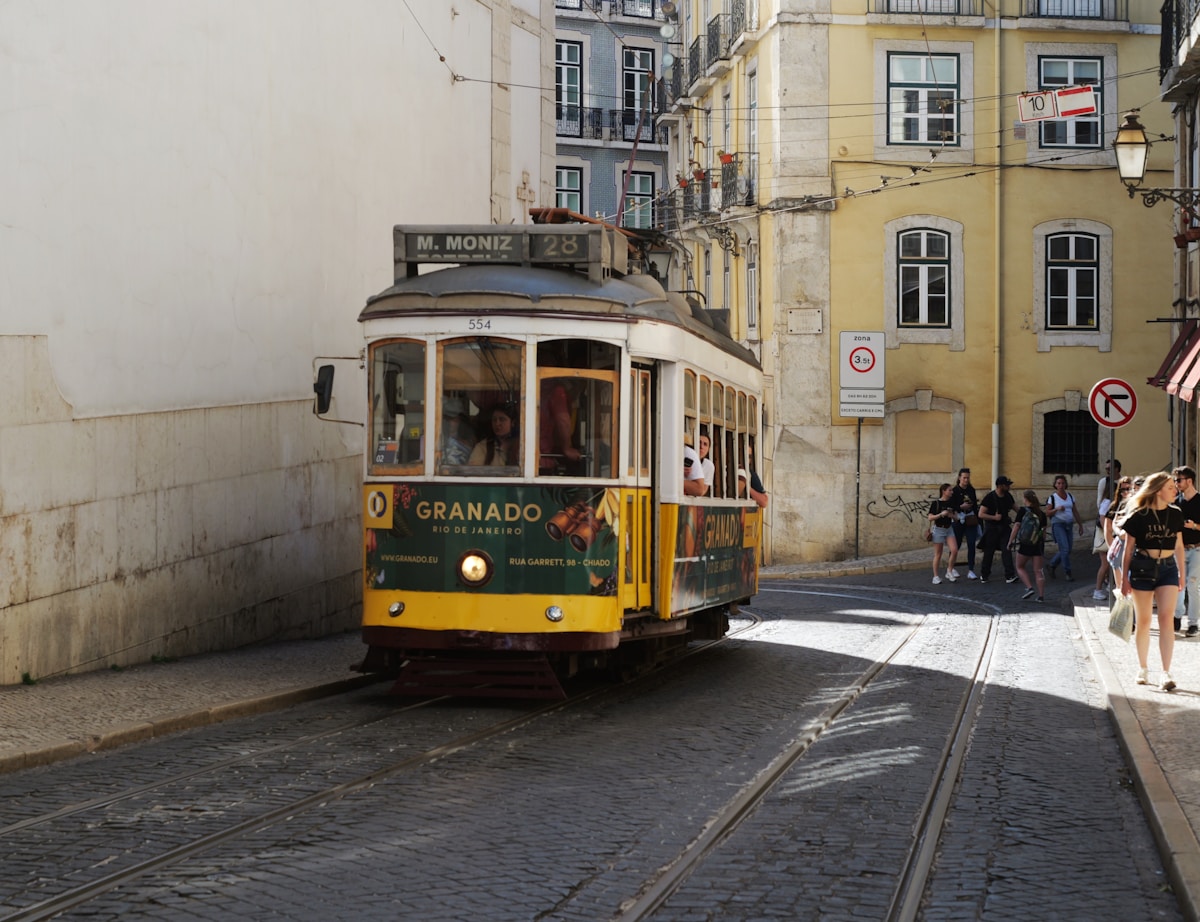
Lisbon and Seville are the two most celebrated city-break destinations in Iberia. Both sit on navigable rivers that funded centuries of maritime empire; both have historic cores dense with Moorish heritage, ornate religious architecture, and strong food identities. Both are increasingly popular alternatives to Paris or Rome for European travellers seeking something more distinctive and less crowded.
They are also 440 km apart and very different cities. Here is how to choose between them.
Quick Verdict
| Category | Lisbon | Seville |
|---|---|---|
| Price | Winner (10–20% cheaper) | — |
| Moorish architecture | Good | Winner (Alcázar, Giralda) |
| Fado / Flamenco | Winner (Fado) | Winner (Flamenco) |
| Waterfront | Tagus estuary | Guadalquivir |
| Food variety | Seafood focus | Tapas culture |
| Museum quality | Good | Winner |
| Azulejo tile culture | Winner | Present |
| Summer heat | Cooler | Much hotter |
| Nightlife | Good | Winner |
| Atlantic day trips | Winner (Sintra, Cascais) | — |
Choose Lisbon for a cooler, slightly cheaper city with Fado, seafood, tram culture, and extraordinary day trips to Sintra and the Atlantic coast. Choose Seville if Moorish architecture (particularly the Alcázar palace), flamenco, and Andalusian tapas culture are your priorities.
The Architecture
Seville’s architecture is the more dramatic of the two. The Real Alcázar (from €14.50; book online to avoid queues) is a UNESCO-listed royal palace complex where Moorish, Gothic, Renaissance, and Baroque styles layer over 1,000 years of construction — the most impressive palace interior in Spain outside Madrid’s royal collections. The Seville Cathedral (from €11, includes La Giralda tower) is the largest Gothic cathedral in the world and contains the tomb of Christopher Columbus. The Barrio Santa Cruz — the former Jewish quarter, now a maze of whitewashed alleys and orange-tree courtyards — is the most atmospheric pedestrian area of any Iberian city.
Lisbon’s signature architecture is gentler and more distinctive in cumulative texture than single monuments. São Bento station (free entry) lines its concourse with 20,000 blue-and-white azulejo tiles depicting scenes from Portuguese history — one of the most unexpected free attractions in Europe. Jerónimos Monastery in Belém (€15; free Sunday mornings until 2pm) is Portugal’s greatest example of Manueline architecture, a carved limestone building of extraordinary complexity. São Jorge Castle (€15) dominates Alfama’s skyline and provides the best panoramic views over the Tagus. The Torre de Belém (€6) is smaller than its photographs suggest but sits in an exceptional riverside position.
Both cities have significant azulejo tile heritage; Lisbon’s tile culture is more pervasive and extends into every neighbourhood and most railway stations.
Winner for headline monuments: Seville. Winner for cumulative urban texture: Lisbon.
Food and Culture
Lisbon
Lisbon’s food identity runs on seafood. Bacalhau (salt cod) has over 365 traditional preparations; the most common are bacalhau à Brás (shredded with eggs and potatoes, €12–16) and bacalhau com natas (with cream, baked). Grilled fish — sea bass, red mullet, sea bream — is reliable at any neighbourhood restaurant from €14–20 for a main. The Mercado da Ribeira (Time Out Market, Cais do Sodré) aggregates the city’s best restaurant concepts under one roof — useful for first-time visitors sampling widely.
Pastéis de Belém (Rua de Belém 84–92) has been making the original pastel de nata since 1837. The queue outside is always long but moves fast; the pastéis here are measurably better than anywhere else in the city, served warm with cinnamon and powdered sugar. A pastel costs €1.60.
Fado — the Portuguese melancholic folk genre, classified by UNESCO as intangible cultural heritage — is performed in casas de fado in Alfama and Bairro Alto. The better venues include Tasca do Chico (Rua do Diário de Notícias 39; booking essential) and Mesa de Frades (Rua dos Remédios, Alfama; dinner from €40). Tourist-facing venues exist but the Alfama houses remain more authentic. Shows typically begin at 9–10pm.
Book a walking tour of Alfama or a Fado dinner in Lisbon through GetYourGuide for recommended options.
Seville
Seville’s food identity is anchored in tapas culture — and Seville does tapas better than almost anywhere in Spain. The classic Sevillano formula is to move between bars, eating two or three small dishes at each. Areas around the Alameda de Hércules and Triana neighbourhood have the best non-touristy bars. Pescaíto frito (mixed fried fish, €6–9 a portion), salmorejo (cold tomato soup, richer than gazpacho, €4–5), and jamón ibérico (acorn-fed Iberian ham, €10–16 for a small plate) are the staples worth ordering.
Flamenco in Seville is the real thing — Seville is the heartland of the form, and the Triana neighbourhood (across the Guadalquivir from the historic centre) is where flamenco families have lived for generations. Tablao El Arenal and Teatro Flamenco Triana are the more respected venues; entry runs €25–45 including a drink. The tourist shows in Barrio Santa Cruz are more staged but more accessible for non-Spanish speakers. Booking ahead is essential in summer.
The Mercado de Triana is a genuine local market (not a food hall), with fresh produce, fish, and local grocery stands alongside a small food court — a better market experience than the tourist-oriented Mercado de la Encarnación nearby.
Winner for food culture: A draw — different strengths. Lisbon for seafood and pastéis; Seville for tapas and market culture.
Cost Comparison
Lisbon has an edge, though both cities have become noticeably more expensive since 2022.
Accommodation: Lisbon mid-range hotels in Baixa, Chiado, or Príncipe Real average €100–150/night. Seville mid-range in Santa Cruz or Triana averages €130–200/night. Hostels are similarly priced (€25–40/night dorm in both). Search hotels in Lisbon for current availability.
Restaurants: Broadly similar. A main course in a mid-range Lisbon restaurant: €13–18. In Seville: €14–20. Tapas in Seville can be cheaper if you eat at the bar and order informally.
Attractions: Lisbon’s major sites are modestly priced (São Jorge Castle €15, Jerónimos €15, Torre de Belém €6). Seville’s are slightly higher (Alcázar from €14.50, Cathedral from €11). Neither city breaks the bank on entry fees compared to Paris or London.
Transport: Lisbon Metro single €1.61 (with Andante card). Seville Metro single €1.40. Both cities are walkable in the centre; both have tram and bus networks.
Overall: Lisbon is 10–20% cheaper on accommodation; restaurants and attractions are comparable.
Day Trips
Lisbon has an extraordinary day trip network.
- Sintra: 40 minutes by train from Rossio station (€2.35 each way). UNESCO-listed with five royal palaces — Pena Palace, Quinta da Regaleira, and Monserrate are the most visited. Book palace tickets at least 24 hours ahead in peak season.
- Cascais: 40 minutes by train from Cais do Sodré (€2.35). A genteel coastal town with good beaches and the dramatic Boca do Inferno cliff formation.
- Setúbal and the Arrábida Peninsula: 50 minutes by bus from Lisbon’s Praça de Espanha. Dramatic limestone mountains with turquoise beaches and a natural park — some of Portugal’s clearest water.
Seville’s day trips are harder to reach by public transport but worthwhile by car: Córdoba (45 minutes by AVE high-speed train, €22–40) with its UNESCO Great Mosque-Cathedral (Mezquita); Cádiz (1h40 by train, €14–20) for Atlantic beaches and one of Spain’s oldest cities; and Jerez de la Frontera (1h15 by train, €8–14) for sherry bodegas and the Andalusian Royal School of Equestrian Art.
Book a day tour from Lisbon for Sintra, Évora, or Óbidos with a guide and transport included — the most efficient way for first-time visitors.
Winner for day trips: Lisbon, especially for Atlantic coast access.
Summer Heat
This is a practical distinction worth making. Seville is consistently the hottest city in Western Europe in summer — July and August temperatures regularly reach 38–42°C. Museums and the Alcázar become a refuge; outdoor sightseeing between 11am and 5pm is genuinely uncomfortable. Seville rewards an early autumn or spring visit (April is particularly good, coinciding with the Feria de Abril — the city’s biggest festival).
Lisbon is cooler: July and August average 27–29°C, with Atlantic breezes keeping the city more tolerable. Summer in Lisbon is busy but not as sweltering as Seville.
Winner for summer comfort: Lisbon.
Getting Between Them
If you are considering visiting both cities in one trip:
- By train: Lisbon Oriente or Santa Apolónia to Badajoz (Alfa Pendular, 3h30–4h), then Renfe Avant to Seville (1h30–2h) with a change — total journey around 5h30–6h, from €35–55 booked ahead. Note: there is no direct high-speed connection; the Badajoz interchange is necessary.
- By car: 440km via the A6 (Portugal) and A49 (Spain) motorways. About 4–4h30 with minimal stops. Car hire in Portugal booked from Lisbon airport gives you the flexibility to drive to Seville and return the car there or back in Lisbon.
- By plane: Ryanair and TAP connect Lisbon and Seville in 1h20–1h30. Fares from €40–80 one way booked in advance. Check flights to Portugal for connecting options.
Final Verdict
Lisbon and Seville compete for different types of traveller.
Seville is the right choice if you want the highest-density Moorish architectural heritage in Western Europe, a deep flamenco experience, and Andalusian tapas culture at its best. The Alcázar alone is worth the trip; Seville’s Barrio Santa Cruz and Triana are two of the most distinctive urban neighbourhoods in Spain.
Lisbon is the right choice if you want a slightly cheaper, cooler, more Atlantic city with extraordinary day trips, fado, excellent seafood, a distinctive tile culture, and more manageable summer conditions. Lisbon rewards slow exploration — the neighbourhoods reveal themselves gradually in a way that Seville’s more tourist-concentrated historic core does not.
Both rank among the top ten European city-break destinations. If your trip allows it, visit both — the contrast makes each more interesting.
More Portugal Comparisons
- Lisbon vs Madrid — the two Iberian capitals compared
- Lisbon vs Barcelona — Lisbon against Spain’s most visited city
- Portugal vs Spain — the full cross-border comparison
- Lisbon vs Porto — Portugal’s own great city rivalry
Plan Your Trip
🏨 Search hotels in Lisbon 🎯 Book tours in Lisbon 🚌 Book airport transfers in Lisbon ✈️ Book your flights to Portugal 🛡️ Get travel insurance 📱 Stay connected with an eSIM 🚗 Rent a car