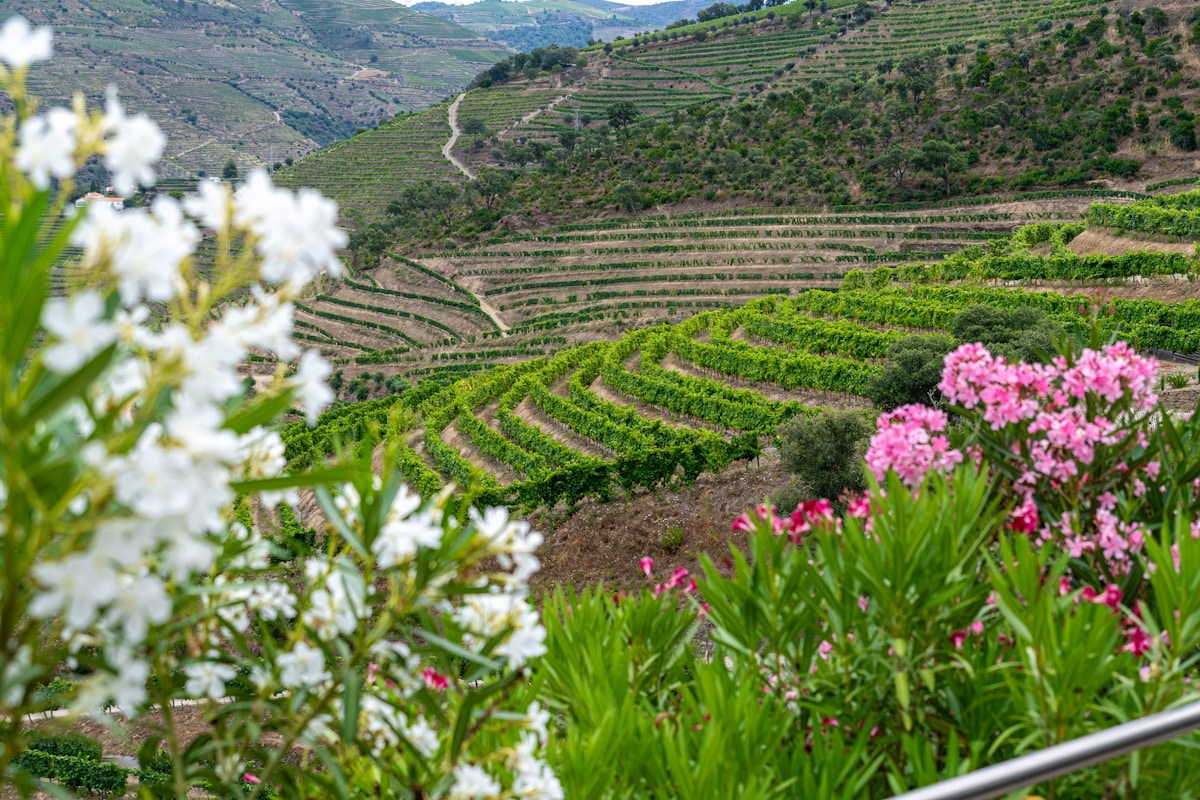
Évora and Óbidos are two of the most popular day trips from Lisbon, but they are not competing for the same visitor. Évora is a UNESCO World Heritage city with two thousand years of layered history — Roman temples, a cathedral begun in the twelfth century, and one of Portugal’s most striking baroque monuments. Óbidos is a small, exceptionally well-preserved medieval walled village that can be walked in two hours and makes an easy half-day excursion. The right choice depends on how much time you have and what you are looking for.
Quick Verdict
| Category | Évora | Óbidos |
|---|---|---|
| Historical depth | Winner | Good (medieval) |
| UNESCO status | Winner | — |
| Ease of visit | Moderate | Winner |
| Time required | Full day | Half-day |
| Journey from Lisbon | 1.5 hrs (train) | 1 hr (bus) |
| Things to do | Winner | Limited |
| Atmosphere | Alentejo city | Fairy-tale village |
| Price | Moderate | Low |
| Crowds | Manageable | Busy in peak |
| Surrounding region | Winner | Silver Coast access |
Choose Évora if you want a full day of substantive historical sightseeing — Roman ruins, a cathedral, the Chapel of Bones, and Alentejo character. Choose Óbidos if you want a beautiful, compact medieval village for a relaxed morning or half-day. Do both if you are spending a week or more in Lisbon.
Getting There
Évora from Lisbon: Trains depart from Oriente station (InterRegional service, operated by Comboios de Portugal). The journey takes approximately 1 hour 30 minutes to 1 hour 45 minutes, running 5–7 times daily. Tickets cost approximately €12–15 each way and can be booked via the CP website or at the station. The Évora train station is a 10-minute walk from the historic centre. No car is required to see the main sights — the walled old town is compact and walkable.
Óbidos from Lisbon: The old Óbidos rail line is no longer operational. The best public transport option is Rede Expressos bus from Campo Grande bus terminal (northern Lisbon, metro line Yellow/Green). Journey time is approximately 55 minutes to 1 hour; tickets cost approximately €8 each way. Buses run roughly every 1–2 hours from early morning. The bus stop in Óbidos is immediately adjacent to the town walls. A car is helpful if you want to explore the surrounding Silver Coast (Nazaré, Peniche) on the same trip.
Comparative note: Évora’s train is more comfortable and reliable than the Óbidos bus service; the Évora journey also deposits you in the city centre more naturally. If transport logistics matter, Évora is the slightly easier journey despite being further.
Évora: What to Expect
Évora is the capital of the Alentejo region and one of Portugal’s most historically significant cities outside Lisbon and Porto. The old town — entirely enclosed within Roman and medieval walls — is a UNESCO World Heritage Site. Two thousand years of occupation have left visible layers: a Roman forum, Moorish street patterns, medieval churches, Renaissance palaces, and baroque monuments, all within a 20-minute walk of each other.
Main sights:
- Roman Temple of Diana (free): Dating from the 1st–2nd century AD, 14 Corinthian columns stand intact on the old forum platform beside a baroque church. Free to view from the street at any hour; the surrounding Largo do Conde de Vila Flor is Évora’s most atmospheric square. One of the best-preserved Roman monuments in the Iberian Peninsula.
- Évora Cathedral / Sé de Évora (€4.50 including cloister): The largest medieval cathedral in Portugal, begun in 1186. The Romanesque doorway and Gothic cloister are exceptional. For an additional €1.50, the roof terrace gives panoramic views over the Alentejo plains.
- Chapel of Bones / Capela dos Ossos (€4): Inside the Igreja de São Francisco — a small chapel where the walls and pillars are lined with the skulls and bones of approximately 5,000 Franciscan monks, assembled in the 16th century as a meditation on mortality. The inscription above the door reads “We bones that are here, await yours.” Confronting and genuinely unlike anything else in Portugal. Queue times are short; pre-booking not required.
- Praça do Giraldo: The main square, ringed by baroque arcades, with a 16th-century marble fountain. The surrounding streets have cafés, restaurants, and shops selling Alentejo ceramics, cork goods, and locally produced wines. The best lunch spots are on the streets behind the square rather than the arcaded frontages.
- Almendres Cromlech (8 km, requires transport): A megalithic stone circle predating Stonehenge, with 95 standing stones on an Alentejo hillside 8 km west of Évora. Spectacular and largely unknown internationally; a taxi from the centre costs approximately €15 return. Not included in most day trip itineraries but worth knowing about.
Practical tips: The Roman Temple and Praça do Giraldo are free to visit. Plan to spend €10–15 on combined entry fees if you do the Cathedral and Chapel of Bones. Évora’s restaurants serve Alentejo cuisine — slow-cooked pork, açorda (bread soup), and migas (fried bread with pork fat) are regional specialities; expect to pay €12–18 for a main course in a sit-down restaurant. Tours in Évora include guided walking tours of the Roman and medieval layers, and day trip combinations from Lisbon that pair Évora with a megalith site or winery visit.
Óbidos: What to Expect
Óbidos is a village of approximately 3,000 people enclosed within medieval walls, 80 km north of Lisbon. The walls are in excellent condition — you can walk the entire circuit (around 1.5 km) along the top. Inside, Rua Direita (the main cobbled street) is lined with whitewashed houses decorated with bougainvillea, craft shops, and small restaurants. At one end of the street is the Castelo de Óbidos, now operating as a luxury pousada hotel; at the other, the 15th-century aqueduct.
Main sights:
- Castle walls (free): Walking the full wall circuit takes 20–30 minutes and gives views over the village rooftops and the surrounding farmland. The original walls date from the Moorish period and were extended by the Portuguese in the 12th–13th centuries.
- Igreja de Santa Maria (free): The main church, fronted by a modest Renaissance portico. The interior is lined with blue and white azulejo tiles from floor to ceiling — one of the finest examples of azulejo decoration in a small Portuguese church. The nave also contains a painting by baroque artist Josefa de Óbidos, one of Portugal’s most significant women painters.
- Rua Direita: The main pedestrian street, which can feel genuinely overrun with coach tourists in July and August. The shops sell ginja (sour cherry liqueur traditionally served in a chocolate cup, €1.50) — this is the experience most visitors come for. Quality varies; the ginja from the small producers on the side streets is generally better than the Rua Direita tourist shops.
- Aqueduct and lagoon: The 3 km Usseira aqueduct begins at the north gate and dates from the 16th century. The town’s medieval walls extend to a lagoon — once connected to the sea, now a wetland bird reserve — on the outskirts.
Practical tips: Óbidos has no significant paid attractions — the walls, the castle exterior, and the church are all free or low-cost. A morning in Óbidos is sufficient for most visitors. The town can feel commercialised in peak season (July–August), when coach groups arrive by mid-morning. Arriving before 10am or after 4pm gives a noticeably better experience. Staying overnight at the Pousada Castelo de Óbidos (inside the castle) is one of Portugal’s more unusual accommodation options.
Historical Depth
This is not close. Évora has a UNESCO World Heritage designation based on the density and quality of its historical monuments — Roman, Moorish, medieval, Renaissance, and Baroque all within the same city walls. The Roman Temple alone is in the top tier of ancient monuments visible anywhere in Portugal or Spain.
Óbidos is beautifully preserved but essentially a single-layer medieval village. The church interior is excellent; the walls are impressive; the overall experience is of a very well-maintained piece of medieval Portugal. For a historian or architecture enthusiast, it is pleasant but not revelatory.
Winner: Évora, clearly and significantly.
Atmosphere and Character
Évora is a living city — it has a university, a local population, and a range of restaurants and shops that aren’t exclusively aimed at day-trippers. Wandering the back streets produces encounters with neighbourhood life, local markets, and working-class bars alongside the tourist-facing cafés around the main square.
Óbidos, by contrast, is almost entirely tourism-facing. The entire walled village is a curated product — and an attractive one. But the cobbled street lined with ginja shops, linen tablecloths, and ceramic stalls is essentially a heritage mall. In shoulder season (March–May, September–October) it is genuinely charming and peaceful. In July and August it is crowded enough to undermine the atmosphere that makes it worth visiting.
Winner: Évora for authenticity; Óbidos for fairy-tale aesthetics.
Cost
Évora day trip costs (per person):
- Train return from Lisbon: €24–30
- Cathedral + cloister: €4.50
- Chapel of Bones: €4
- Lunch: €15–22
- Total: approximately €50–60
Óbidos day trip costs (per person):
- Bus return from Lisbon: €16
- Attractions: mostly free
- Ginja: €2–3
- Light lunch: €10–15
- Total: approximately €28–35
Óbidos is significantly cheaper for a day out, largely because there are no paid attractions.
Families and Groups
Óbidos is easier for families with young children. The town is compact, flat, and stroller-accessible; there are no major paid attractions to queue for; and the walls and ginja tradition provide an immediately engaging experience for children old enough to walk. The visit completes in under 3 hours, before attention spans flag.
Évora with children is manageable but requires planning. The Chapel of Bones is memorable — and appropriate for children around 10 and above, but potentially distressing for younger children. The Roman temple is impressive but doesn’t have interactive elements. The overall visit is longer and more demanding than Óbidos.
Surrounding Region
This is where Évora significantly extends its value as a day trip.
The Alentejo region surrounding Évora is one of Portugal’s most rewarding areas for wine, food, and landscape. Guided day trips from Lisbon regularly combine Évora with megalithic sites (Almendres Cromlech, the Anta Grande do Zambujeiro dolmen), Alentejo wine estates, or the Flor da Rosa monastery. Tours in Évora include these combination options, making the train journey to Évora the anchor for a full regional experience rather than a single-city visit.
Óbidos sits on the Silver Coast. The surrounding area — Nazaré (18 km), Peniche (25 km), and the beaches of the Costa de Prata — is excellent but requires a car to combine with an Óbidos visit. As a stand-alone bus day trip from Lisbon, Óbidos doesn’t naturally extend into the surrounding region.
Staying Overnight
Both destinations reward an overnight stay if you want to see them outside day-trip hours.
Search hotels in Évora for current availability — the best options are in the historic centre within the old walls, including several converted convents and Renaissance townhouses turned boutique hotels. Prices in shoulder season run €80–150/night for mid-range options; June–September sees prices rise.
Search hotels in Óbidos for options including the Pousada Castelo de Óbidos (inside the medieval castle, from approximately €180/night). Staying overnight in Óbidos allows you to experience the village in the early morning and evening when day-tripper coaches are absent — a substantially more atmospheric experience.
Final Verdict
Évora is the stronger day trip for travellers who want substantive historical sightseeing, cultural depth, and the experience of a real Portuguese city with a distinct regional identity. It justifies the 1.5-hour train journey and a full day’s investment. The Roman Temple, Chapel of Bones, and Cathedral together constitute one of Portugal’s most concentrated collections of historical monuments.
Óbidos is the right choice for a relaxed half-day with no agenda beyond walking medieval walls, drinking ginja from a chocolate cup, and photographing bougainvillea cascading over whitewashed houses. It delivers exactly that experience efficiently and enjoyably — and costs less.
If you are spending a week in Lisbon, both are worth adding to a day trip itinerary. If you can only choose one and want genuine historical weight, choose Évora. If you have only a morning free and want something beautiful and low-effort, choose Óbidos.
For planning either in detail, the Évora city guide covers the Roman monuments, Alentejo food, and transport from Lisbon. The Óbidos city guide covers the castle, the ginja tradition, and the surrounding Silver Coast.
More Portugal Comparisons
- Lisbon vs Porto — Portugal’s two great cities compared on cost and culture
- Coimbra vs Braga — two more historic cities to add to your itinerary
- Douro Valley vs Alentejo — the wine regions of north and south Portugal
- Sintra vs Cascais — palaces versus beaches for your Lisbon day trip
Plan Your Trip
🎯 Tours in Évora 🎯 Tours in Óbidos 🏨 Search hotels in Évora | Search hotels in Óbidos
✈️ Book your flights to Portugal 🛡️ Get travel insurance 📱 Stay connected with an eSIM 🚗 Rent a car