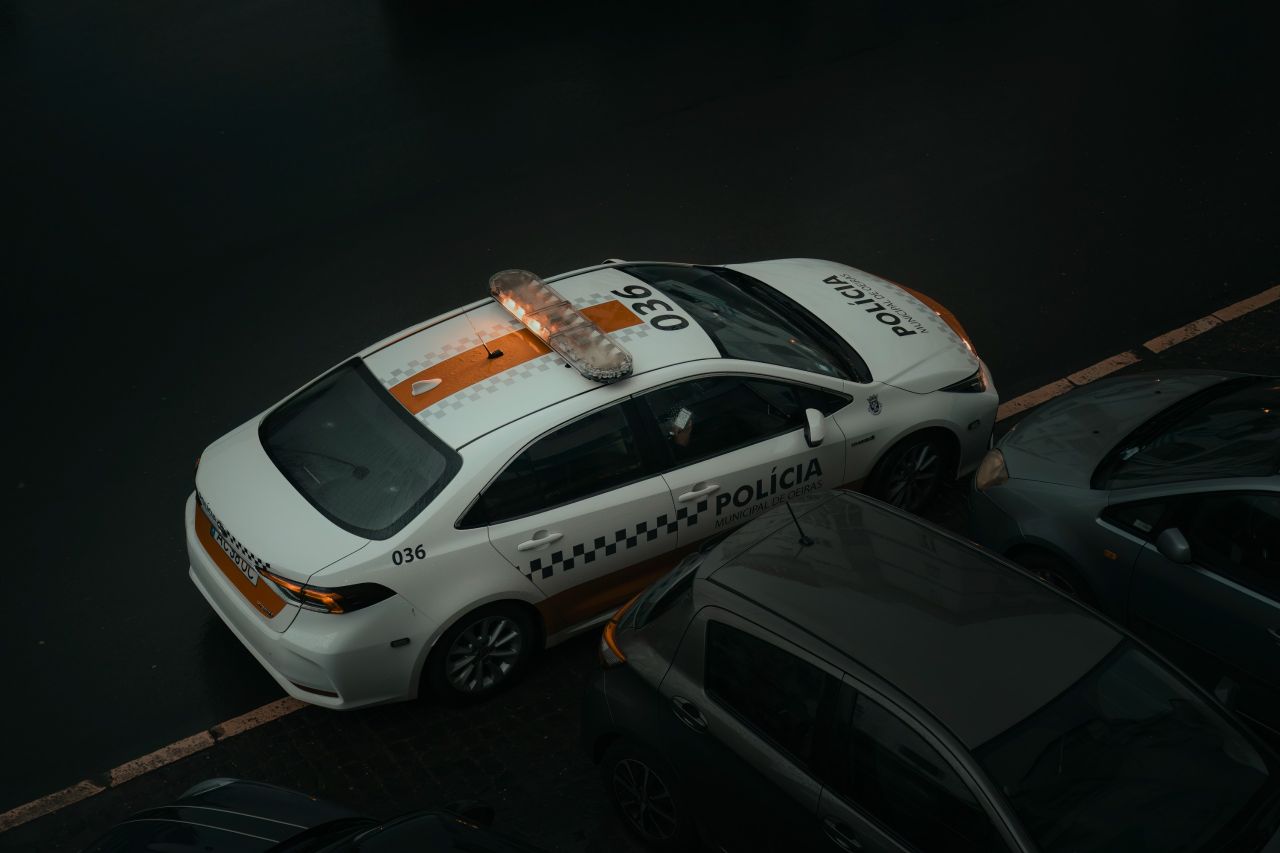
Portugal runs on one number when something goes seriously wrong: 112. This page covers what happens when you dial it, the few other numbers worth saving before a trip, and what to do in the hours after an incident. We keep it deliberately short on numbers and long on practical steps, because the number matters less than knowing what to say and who to contact next.
The one number to remember: 112
112 is the European single emergency number and it connects you to police, ambulance and fire services across Portugal, including Madeira and the Azores. It is free, works 24 hours a day and works from a phone with no credit or SIM card. If you are abroad, your own phone will route the call through whichever network has a signal.
Operators in Portugal generally handle English, and can bring in an interpreter if needed. When the line answers, give these details in this order:
- Where you are. A town, street name, beach name or road number. If you do not know, say the last place you passed. On a hike, give a trail name or the nearest village.
- What happened. “Car accident”, “someone is not breathing”, “fire in the hills”.
- How many people are hurt and whether anyone is trapped or unconscious.
- Your phone number, then stay on the line until told to hang up.
Do not hang up early, and do not call back repeatedly unless something has changed. Keep the phone free in case the crew rings to find you.
Police: PSP, GNR and tourist police
Two forces share the work. The PSP (Polícia de Segurança Pública) polices Lisbon, Porto and other cities. The GNR (Guarda Nacional Republicana) is a gendarmerie covering the countryside, small towns, highways and the coast. You do not need to work out which one you need, because 112 sends the right one.
Lisbon and Porto also have a tourist police presence (Polícia de Turismo) within the PSP, with officers used to dealing with visitors in English. The Lisbon tourist police station is at the Cruise Terminal (Terminal de Cruzeiros, Doca Jardim do Tabaco) and can be reached on +351 219 021 950. For theft, go to a station in person rather than phoning 112, which is for danger to life or crimes in progress.
Ask for a written crime report (a participação). You will need it for a travel insurance claim and, if your passport was taken, for your embassy. Our Portugal safety guide covers where pickpocketing is most common and how to avoid it.
Ambulance, hospitals and health advice
For a life-threatening problem, call 112 and ask for an ambulance. Paramedics from the national emergency institute (INEM) will assess you and take you to the nearest suitable hospital.
For anything less urgent, SNS 24 on 808 24 24 24 is the national health advice line. It is staffed by health professionals every day, and its job is to tell you whether to treat something yourself, see a pharmacist, visit a health centre (centro de saúde) or go to hospital. Our understanding is that English-language service is offered, though waiting times vary.
A few practical notes on care:
- Public hospitals will treat emergencies. Large ones include Hospital de Santa Maria in Lisbon and Hospital de São João in Porto.
- EU, EEA and UK visitors with a valid EHIC or GHIC can use the public system at the same cost as residents, though they still pay any standard patient charges.
- Private hospitals (the CUF and Luz networks have sites in major cities) are faster and more comfortable, but ask for proof of insurance or a deposit.
- Pharmacies (farmácias) display a green cross. Each area has one open late or overnight by rota, listed in the window. Pharmacists can advise on minor illnesses and injuries.
Fire and wildfire
Fire crews are reached through 112 as well. Summer wildfires are a real issue in the interior and in parts of the Algarve and the north, so if you see smoke or flames in woodland, call 112 immediately and give your position. For non-emergency reports of illegal burning or fire risk, the GNR SOS Ambiente line is 808 200 520. Do not try to fight or drive through a fire front, and follow evacuation instructions from the Proteção Civil.
On the coast, drowning risk is far more common than fire. Swim at beaches with a lifeguard and obey the flag colours. Call 112 and ask for sea rescue if someone is in trouble in the water, and do not enter heavy surf to attempt a rescue yourself.
Embassies and consulates
An embassy cannot send an ambulance or police to you, but it can help with an emergency passport, contact with family, lists of local lawyers and doctors, and guidance after a serious accident or arrest. Most embassies are in Lisbon, and some countries also have consulates in Porto or the Algarve. Addresses and contact notes are in our embassies and consulates guide. Save your own embassy’s details in your phone before you travel, and photograph your passport photo page and keep the image somewhere that is not on the same device.
After an incident: the paperwork
Once everyone is safe, work through this list:
- Police report. Get a copy for any theft, assault or road accident involving damage.
- Insurance. Phone your insurer’s emergency line quickly, because many policies require notice before major treatment or repatriation. Keep every receipt and medical report. If you do not yet have cover, our Portugal travel insurance guide explains what to look for, and you can compare travel insurance options before you fly.
- Lost cards and phones. Block bank cards at once through your bank’s international number, then report a lost phone to the police.
- Lost passport. Report it to the police first, then contact your embassy for an emergency travel document.
Official sources we check: PSP, the national police and IPMA weather warnings.
What to put in your phone before you go
Save 112 and 808 24 24 24 as contacts, add your embassy and insurer’s 24-hour numbers, and store your policy number, blood type and any allergies in the emergency section of your lock screen. If you drive, keep the reflective vest and warning triangle in the passenger area, because both are required by law, and call 112 from a safe spot away from the carriageway after a breakdown or crash on a motorway.
Planning a trip and want to see the country with a local guide? Browse Lisbon tours once your cover is arranged.
Numbers and procedures are correct as of 2026, but check official sources such as the government portal and your insurer before you travel.