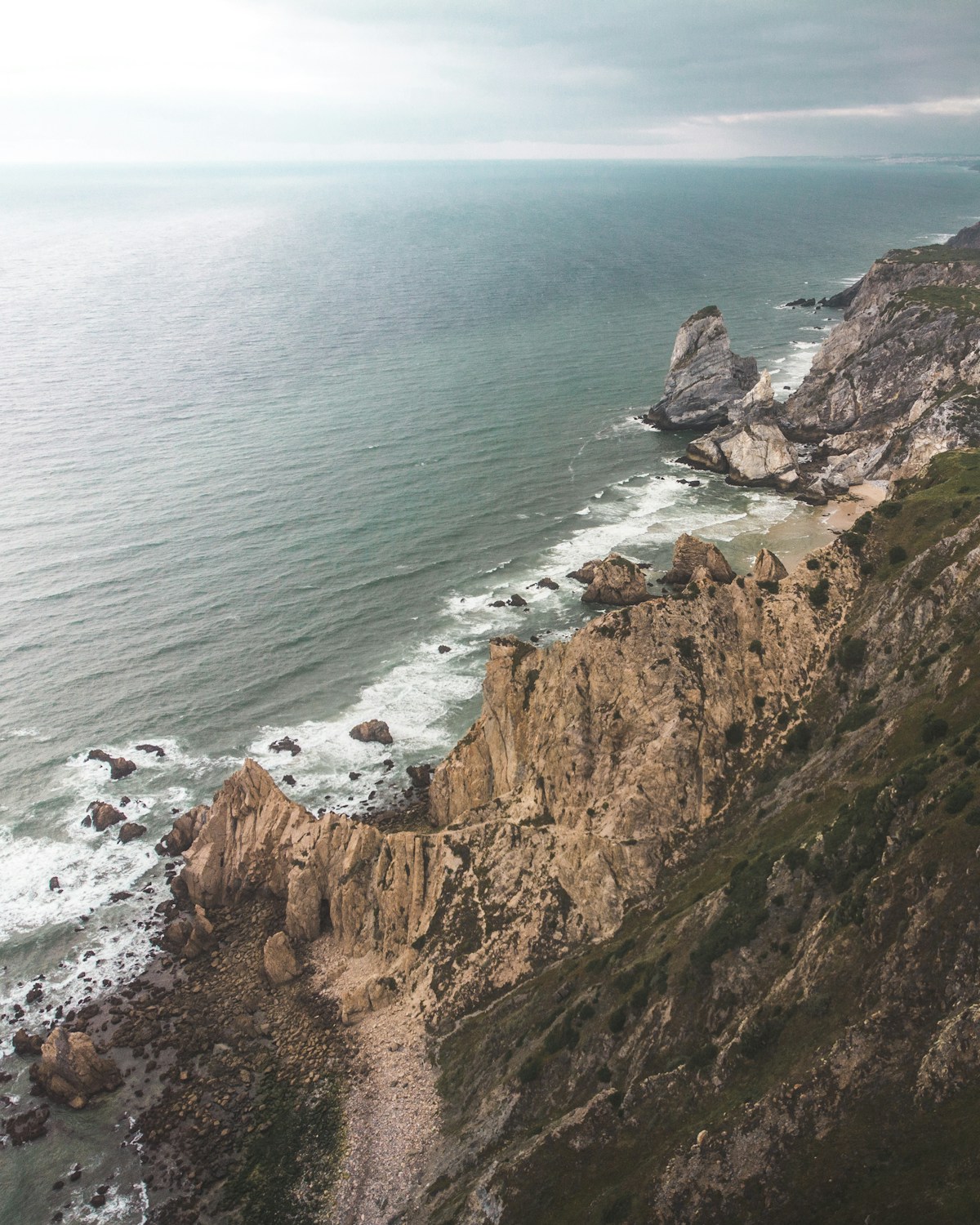
This road trip follows Portugal’s Atlantic coast from Lisbon to Porto over 9 days, with detours to surf towns, medieval walls, and the Douro Valley wine region. The route avoids the A1 motorway (the fast but dull direct road) and instead uses coastal N-roads and short motorway hops. Total driving distance is approximately 650 km - an average of 70-80 km per day, leaving most of each day free for exploring. The itinerary stops at Ericeira and Nazaré on the Silver Coast before reaching Aveiro and Porto.
We recommend picking up a rental car after your first day in Lisbon (city driving is not worth the stress) and dropping it in Porto. Expect to pay from approximately EUR 25-40 per day for a mid-size car as of 2026 - one-way Lisbon-to-Porto rentals are widely available, so compare prices before you travel. Request a Via Verde toll transponder - it covers all electronic tolls automatically and saves stopping at payment machines.
Days 1-2: Lisbon
Day 1 - Arrive and Explore on Foot
No car needed today. Metro from the airport to the centre (approximately EUR 1.80, 20 minutes) or taxi (approximately EUR 15-20).
Where to stay: Hotel Borges Chiado (Rua Garrett 108, from approximately EUR 90 per night as of 2026) for a walkable base. Splurge: The Lumiares in Bairro Alto (from approximately EUR 220 per night).
Afternoon: Walk the Baixa - Praca do Comercio, Rua Augusta, Rossio. Tram 28 through the Alfama (approximately EUR 3.20 with Viva Viagem card). Castelo de Sao Jorge (approximately EUR 15, book online).
Dinner: Cervejaria Ramiro (Avenida Almirante Reis 1) - seafood, percebes, prego sandwich. Budget approximately EUR 40-60 per person.
Day 2 - Belem, then Pick Up Car
Morning: Tram 15E to Belem. Pasteis de Belem (approximately EUR 1.50 per tart), Jeronimos Monastery (approximately EUR 12 - book skip-the-line tickets online), Torre de Belem (approximately EUR 8).
Lunch: LX Factory - breakfast/lunch at Landeau Chocolate (approximately EUR 5 for cake) and browse the design studios.
Afternoon: Pick up your rental car. Most agencies are near Santa Apolonia station or at the airport. If collecting from the airport, metro there on the Red Line (30 minutes from the centre). Fill up with fuel in Lisbon - petrol costs approximately EUR 1.65-1.80 per litre as of 2026.
Evening: Drive to your accommodation or stay one more night in Lisbon. If leaving today, the drive to Ericeira takes 45 minutes.
Day 3: Ericeira
Drive: Lisbon to Ericeira (45 minutes via the A21, approximately EUR 2 in tolls). Take the IC19 through Sintra for a toll-free but slower route (1 hour).
Where to stay: Immerso Hotel (from approximately EUR 120 per night as of 2026) - a design hotel above the cliffs. Budget: Ericeira Surf House (from approximately EUR 60 per night, includes yoga).
Ericeira is a World Surfing Reserve - one of only a few in the world. Even if you do not surf, the town is worth a day for its clifftop setting and seafood.
Morning: Walk the clifftop path from Praia dos Pescadores (the town beach) south to Ribeira d’Ilhas (30 minutes, flat path). Ribeira d’Ilhas is the main competition beach - there is a surf school here (group lessons from approximately EUR 35 per person, 2 hours, boards and wetsuits included).
Lunch: Marisqueira Prata (Rua da Republica, Ericeira) - seafood, arroz de marisco (seafood rice) for two costs approximately EUR 30-40. Or eat at one of the beach bars at Ribeira d’Ilhas for approximately EUR 12-18 per person.
Afternoon: Walk Ericeira’s old town - whitewashed houses, blue-painted doors, and narrow streets above the harbour. The town is small and walkable in an hour. Buy fresh fish at the harbour if you have a kitchen.
Dinner: Tik Tak (Rua 5 de Outubro 9, Ericeira) - traditional fish restaurant. Grilled sea bream or sea bass for approximately EUR 15-20 per person.
Day 4: Peniche and Nazare
Drive: Ericeira to Peniche (1 hour via the N247 coastal road, toll-free). Peniche to Nazare (45 minutes via the A8, approximately EUR 3 in tolls).
Morning: Peniche - a fishing town on a peninsula. Walk the harbour wall and the Fortaleza de Peniche (approximately EUR 3, a star-shaped fort that served as a political prison under the dictatorship until 1974). The ferry to the Berlengas Islands (a nature reserve with seabird colonies and one hotel) departs from here - day trips run from approximately EUR 25 return, 40 minutes each way. Book in advance from May to September.
Drive to Nazare (45 minutes).
Where to stay: Hotel Miramar Sul in Nazare (from approximately EUR 70 per night as of 2026). The beachfront location means you can walk to everything.
Afternoon: Nazare is famous for its big-wave surfing at Praia do Norte (season runs October-March, when swells can reach 20+ metres). Take the funicular to the Sitio clifftop (approximately EUR 1.50 each way). The Forte de Sao Miguel Arcanjo on the headland has a small museum about the waves (approximately EUR 1) and the viewing platform where the photographs are taken.
Walk the main beach - Praia da Nazare - which curves in a wide arc below the cliffs. Fishermen still dry fish on racks on the beach in summer.
Dinner: Maria do Mar (Rua Gil Vicente 2, Nazare) - grilled fish and caldeirada (fish stew). Budget approximately EUR 15-20 per person.
Day 5: Figueira da Foz
Drive: Nazare to Figueira da Foz (1 hour 15 minutes via the N109 coastal road, toll-free). The road passes through pine forests and small fishing villages.
Where to stay: Hotel Costa de Prata (from approximately EUR 55 per night as of 2026) on the beachfront. Or Sweet Atlantic Hotel (from approximately EUR 80, rooftop pool).
Figueira da Foz sits at the mouth of the Mondego river and has the widest beach in Portugal - over 1 km of sand at low tide.
Morning: Praia de Buarcos - the northern beach backed by the Serra da Boa Viagem hills. Walk the clifftop path above Buarcos for views down the coast.
Lunch: Restaurante Caravela (Esplanada Dr. Luiz Silva, Buarcos) - seafood restaurant on the Buarcos waterfront. Arroz de tamboril (monkfish rice) for approximately EUR 15-20 per person.
Afternoon: Walk the town centre - the Baroque Casa do Paco (approximately EUR 2, a mansion with 7,000 Delft tiles on the walls and ceilings), the municipal market (mornings only), and the casino gardens (the casino itself is one of the oldest in the Iberian Peninsula, opened 1884).
Optional detour: Drive inland to Coimbra (45 minutes) for an afternoon visit to the Biblioteca Joanina at the University of Coimbra (approximately EUR 13 combined ticket, book online for timed entry). Return to Figueira da Foz for the night.
Dinner: O Escondidinho (Rua Dr. Antonio Lopes Guimaraes, Figueira da Foz) - traditional Portuguese at honest prices. Budget approximately EUR 12-18 per person.
Day 6: Aveiro
Drive: Figueira da Foz to Aveiro (1 hour via the N109, toll-free). The route follows the coast through Costa Nova - a village of striped painted houses (palheiros) that is worth a 15-minute stop for photographs.
Where to stay: Hotel Aveiro Palace (from approximately EUR 75 per night as of 2026) in the town centre. Budget: Hotel das Salinas (from approximately EUR 50).
Aveiro is often called the “Venice of Portugal” - a description we will not repeat because it is misleading. It is a canal town built around a lagoon (the Ria de Aveiro), with Art Nouveau buildings and a salt-harvesting tradition. It earns its own identity.
Morning: Take a moliceiro boat ride on the canals (approximately EUR 13-15 per person, 45 minutes). The boats are brightly painted with humorous scenes on the prow. Walk the Art Nouveau quarter along the central canal - the Museu de Arte Nova (free to view the exterior, approximately EUR 2 for the interior cafe and exhibition) is a restored Art Nouveau townhouse.
Lunch: Salpoente (Rua Canal de Sao Roque 83) - modern Portuguese in a converted salt warehouse. Budget approximately EUR 25-35 per person. For something cheaper, O Bairro (Rua do Conselheiro Luis Magalhaes) serves traditional plates for approximately EUR 12-15.
Afternoon: Try ovos moles - Aveiro’s signature sweet, egg yolk and sugar in a rice-paper shell, shaped like fish and barrels. Confeitaria Peixinho (Rua de Coimbra 1) makes them fresh. Walk to the Praia da Barra lighthouse (10 minutes by car from the centre) - the tallest in Portugal (62 metres, open for climbing on Wednesday afternoons, approximately EUR 1).
Dinner: O Mercantel (Rua Antonio dos Santos Lé, Aveiro) - bacalhau and seafood. Budget approximately EUR 15-20 per person.
Days 7-8: Porto
Drive: Aveiro to Porto (45 minutes via the A1, approximately EUR 5 in tolls). Return your rental car in Porto - most agencies have offices near Campanha station or at the airport.
Where to stay (2 nights): Pestana Porto (Praca da Ribeira, from approximately EUR 120 per night as of 2026) on the Ribeira waterfront. Mid-range: 1872 River House (from approximately EUR 100). Budget: Gallery Hostel (Rua Miguel Bombarda, from approximately EUR 80 for a private room).
Day 7 - Ribeira, Gaia, and Port Wine
Morning: Walk the Ribeira - the UNESCO World Heritage riverfront. Cross the lower deck of the Ponte Dom Luis I to Vila Nova de Gaia. Port wine tasting at Taylor’s (approximately EUR 15, book online) or Graham’s (approximately EUR 15-20). Allow 1.5 hours.
Lunch: Cafe Santiago (Rua de Passos Manuel 226) - Porto’s definitive francesinha. Approximately EUR 12-15 per person.
Afternoon: Sao Bento station (free, azulejo panels). Torre dos Clerigos (approximately EUR 8, 225 steps). Livraria Lello (approximately EUR 8 entry, redeemable against a book - arrive before 10am or after 4pm).
Dinner: Cantinho do Avillez (Rua de Mouzinho da Silveira 166) - modern Portuguese, approximately EUR 30-40 per person.
Day 8 - Matosinhos, Markets, and Serralves
Morning: Metro to Matosinhos (20 minutes). Walk along the seafront to the fish restaurants on Rua Heróis de Franca. O Gaveto (Rua de Roberto Ivens 826) is the best-known - grilled fish and seafood. Budget approximately EUR 25-35 per person for an early lunch.
Afternoon: Bolhao Market (free, open 8am-8pm Mon-Sat). Museu de Serralves (approximately EUR 15) - contemporary art in an Alvaro Siza Vieira building, with landscaped gardens. Jardins do Palacio de Cristal for river views.
Evening: Walk across the upper deck of the Ponte Dom Luis I at sunset (pedestrian-only, free). The view down the Douro toward the Atlantic is the best in Porto. Dinner at Taberna dos Mercadores (Rua dos Mercadores 36, approximately EUR 15-20 per person).
Day 9: Douro Valley and Departure
Drive option: If you kept the car, drive from Porto to the Douro Valley (1.5 hours to Pinhao via the N108 river road - this is the scenic route, winding along the north bank through terraced vineyards. Tolls: none on this road).
Train option: Porto Sao Bento to Pinhao (2.5 hours, approximately EUR 14 each way). The train follows the river - sit on the right side heading east. If you have already returned the car, a Douro Valley day tour from Porto with transport, tastings, and lunch is the simplest alternative.
Morning: Quinta do Bomfim (Symington family, approximately EUR 15 for tour and tasting) or Quinta do Crasto (approximately EUR 20, book ahead).
Lunch: DOC by Rui Paula (Folgosa) - a restaurant built on stilts above the Douro. Tasting menu from approximately EUR 65 per person. For something simpler, most quintas offer light lunches with wine for approximately EUR 15-25.
Afternoon: Drive or take the train back to Porto. Porto Airport (Francisco Sa Carneiro) is 20 minutes from the city centre by metro on the Violet Line (approximately EUR 2.50). If returning the car, most agencies at the airport are open until 10pm.
Driving Tips for Portugal
Tolls: Portugal has two toll systems. Green motorways (A-roads) use electronic tolling only - your rental car needs a Via Verde transponder (usually EUR 1.50-2.50 per day from the rental agency) or register your licence plate at portugaltolls.com. Blue motorways have traditional toll booths accepting cash and card.
Fuel: Petrol (gasolina) costs approximately EUR 1.65-1.80 per litre as of 2026. Diesel (gasoleo) is approximately EUR 1.50-1.65. Fill up at larger stations - prices at motorway stations are approximately EUR 0.10-0.15 per litre higher.
Parking: In Lisbon and Porto, street parking uses meters (approximately EUR 1-2 per hour, free on Sundays). Multi-storey car parks cost approximately EUR 10-20 per day in city centres. In smaller towns (Ericeira, Nazare, Aveiro), parking is generally free or very cheap outside of summer weekends.
Road conditions: Motorways are excellent. Coastal N-roads are two-lane, generally well surfaced, and pass through villages with 50 km/h zones. The N108 along the Douro is narrow in places with sharp bends - drive slowly and enjoy the views.
Budget Summary
| Category | Budget Estimate (per person) |
|---|---|
| Accommodation (8 nights, mid-range) | From approximately EUR 560-850 |
| Meals (9 days) | Approximately EUR 270-450 |
| Attractions | Approximately EUR 70-100 |
| Car rental (7 days) | Approximately EUR 175-280 |
| Fuel | Approximately EUR 60-80 |
| Tolls | Approximately EUR 30-40 |
| Total | Approximately EUR 1,165-1,800 |
All prices are approximate as of 2026. Book your rental car at least 2 weeks ahead in summer - availability drops and prices rise sharply in July and August. Request automatic transmission early if needed.
Book Your Trip
- Flights - Find the best fares to Portugal
- Travel Insurance - Portugal insurance guide (EHIC rules, Schengen cover, surf riders) · get covered with EKTA
- eSIM - Stay connected from landing
- Airport Transfers - Pre-book your transfer from Lisbon or Porto
- Car Rental - Compare prices across providers
- Tours & Activities - Browse Portugal tours on GetYourGuide