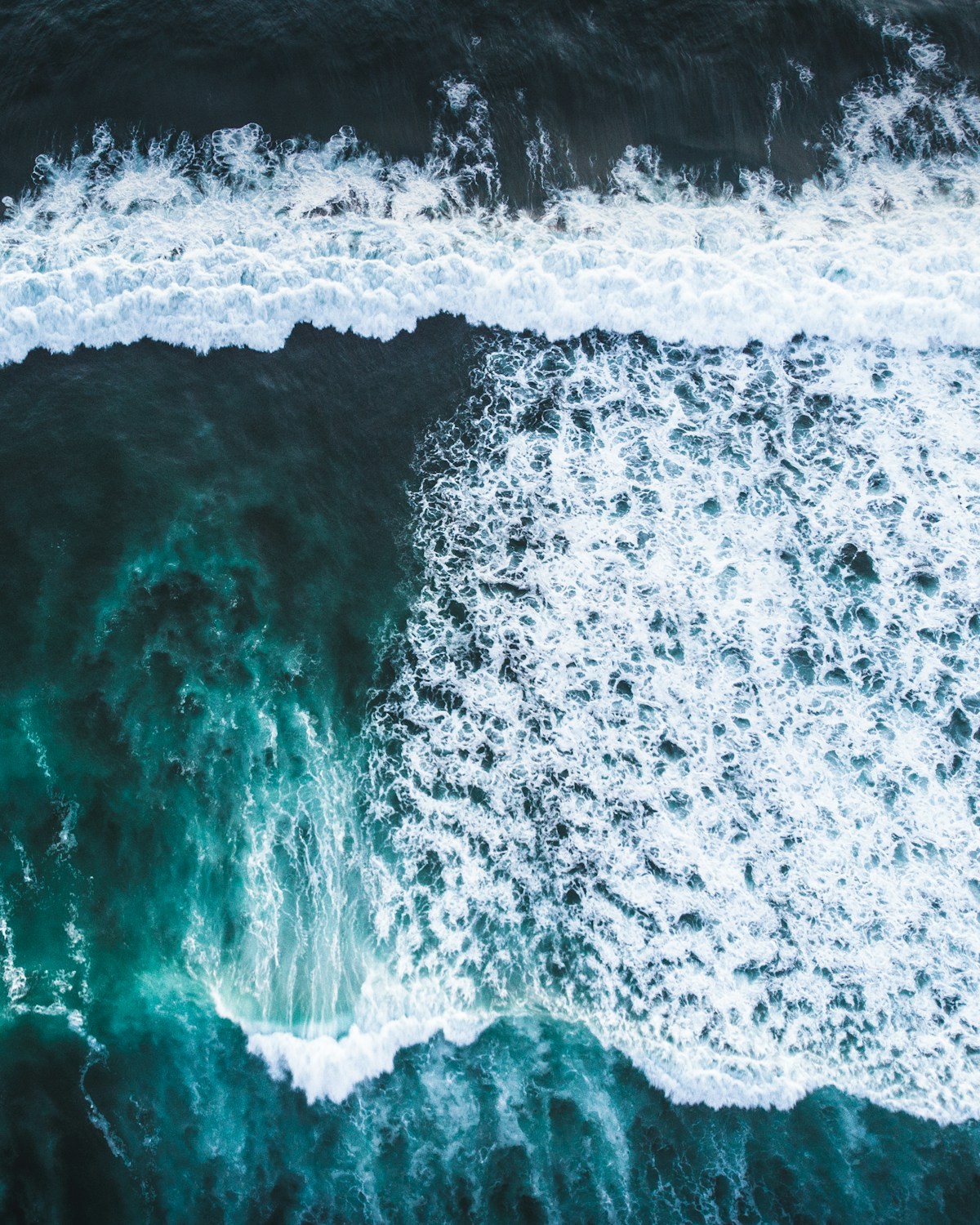
Nazaré is a beach town of 15,000 people on the central Portuguese coast, 125km north of Lisbon. For most of its history it was a working fishing town known for its colourful fishing boats and the women who traditionally wore seven petticoats. Since 2011, it has become internationally known for one thing: the largest surfable waves on earth. See our Nazaré city guide for accommodation and general visitor information.
Search hotels in Nazaré on Booking.com to compare rates and availability.
The Nazaré Canyon
The Nazaré Canyon is 170km long, up to 5km deep, and runs directly perpendicular to the coastline before terminating just offshore at Praia do Norte. When Atlantic low-pressure systems drive northwest swells toward the Portuguese coast, the canyon funnels and concentrates the swell energy rather than allowing it to dissipate - delivering wave faces that can exceed 30 metres (100 feet) when the right conditions align.
Without the canyon, Nazaré would be a pleasant but unremarkable beach town. With it, the headland above Praia do Norte is one of the most watched pieces of coastline in surfing.
Praia do Norte
Praia do Norte sits on the north side of the Nazaré headland. The main town beach (Praia de Nazaré) is on the south side - calm, swimmable, and completely separate in character.
Praia do Norte is not a surfable break for recreational surfers under any circumstances when big waves are operating. The shore break is heavy, the channel is non-existent, and the weight of water moving through the break is lethal. The professional surfers who ride here do so with jet-ski support, safety swimmers, and on equipment specifically built for the conditions.
Viewing: from the clifftop at Sítio, above Praia do Norte. Access by cable car (Funicular de Nazaré, €1.50 one-way, runs from the town centre to the clifftop) or by car (park at the Forte de São Miguel Arcanjo). The viewpoint is free, unfenced, and directly above the break. Respect the cliff edge - there are no barriers.
World Records
Garrett McNamara set the then-world record here in November 2011: a 78-foot wave. This broke the previous record and introduced Nazaré to the global surf media. McNamara returned in 2013 to set a subsequent record.
The current men’s world record is held by Sebastian Steudtner (Germany): a 101.4-foot wave surfed at Nazaré on October 29, 2020, certified by the Guinness World Records in 2022.
The women’s record is held by Maya Gabeira (Brazil), who has surfed Nazaré since 2013, suffered a near-fatal wipeout in 2013, and returned to set the women’s world record (73.5ft) in 2020. Gabeira is the most prominent figure in big wave surfing globally and is closely associated with Nazaré.
WSL Big Wave Tour
The World Surf League runs the Big Wave Tour, which uses Nazaré as one of its primary venues. The event is not scheduled on fixed dates - instead, a waiting period runs from approximately October 15 to March 15. When swell forecasts exceed the minimum threshold (approximately 40 feet at the break), the event is activated with 24–48 hours’ notice. The world’s top big wave surfers - typically 10–15 athletes - travel from wherever they are to compete.
When an event is called, Sítio clifftop becomes extremely crowded. Arrive early. There is no ticket; it is free to watch.
Where Beginners Can Surf Nearby
Peniche (40km north, 30 minutes by car): the Baleal beach breaks north of town are ideal for beginners. Over 40 surf schools operate on Baleal, offering lessons from €35–50 and weekly surf camp packages from €400–900.
Ericeira (60km south, 50 minutes by car): a World Surfing Reserve with breaks at varying levels. São Sebastião beach near the town is more manageable for beginners on smaller days.
Nazaré itself has surf schools that operate on the main town beach (Praia de Nazaré) when conditions are suitable - typically summer, when the Atlantic is calmer. This is fine for absolute beginners learning to stand up but is not representative of Portuguese surf conditions.
Getting to Nazaré
By car: 2 hours from Lisbon (A8 motorway to Caldas da Rainha, then N8 to Nazaré). By bus: Rede Expressos runs from Lisbon Sete Rios, approximately 2h30–3h, departing several times daily.
Combine with Óbidos: 20km south of Nazaré, the medieval walled town of Óbidos makes a logical half-day stop. The entire town is enclosed by intact medieval walls walkable on top. No surfing, but worth an hour.
car hire in Portugal is the most practical way to move between breaks - most of Portugal’s surf beaches are poorly served by public transport.
an eSIM for Portugal keeps you connected for real-time surf reports and swell forecasts. For guided surf lessons and camp packages, browse tours in Nazaré.
When to Visit
Big wave season (October–March): come when a swell is forecast. For practical trip planning — viewpoints, parking, swell monitoring tools, and what to do if no swell fires — see our Nazaré big wave season guide. Watch a Portuguese surf forecast site (Windguru, Surfline) for Nazaré - anything over 15ft at Praia do Norte will produce spectacular spectating. A direct hit swell (northwest, long period, 18–24 seconds) arriving in October or November produces the most reliable big wave conditions. The same season window makes Peniche (40km north) and Ericeira (60km south) worth adding to a surf trip - all three are within a 90-minute drive of each other.
Summer (June–September): the town beach is good for swimming, the sardine restaurants are open, and the traditional fishing culture (the market, the fishing boats, the dried fish displays) is easier to see at leisure. No big wave surfing. Nearby Óbidos - 20km south - adds a well-preserved medieval walled town to a Nazaré visit. For the broader context of the Silver Coast, see our Portugal in October guide, which covers the Rip Curl Pro at Peniche and the Nazaré big wave events that often coincide.