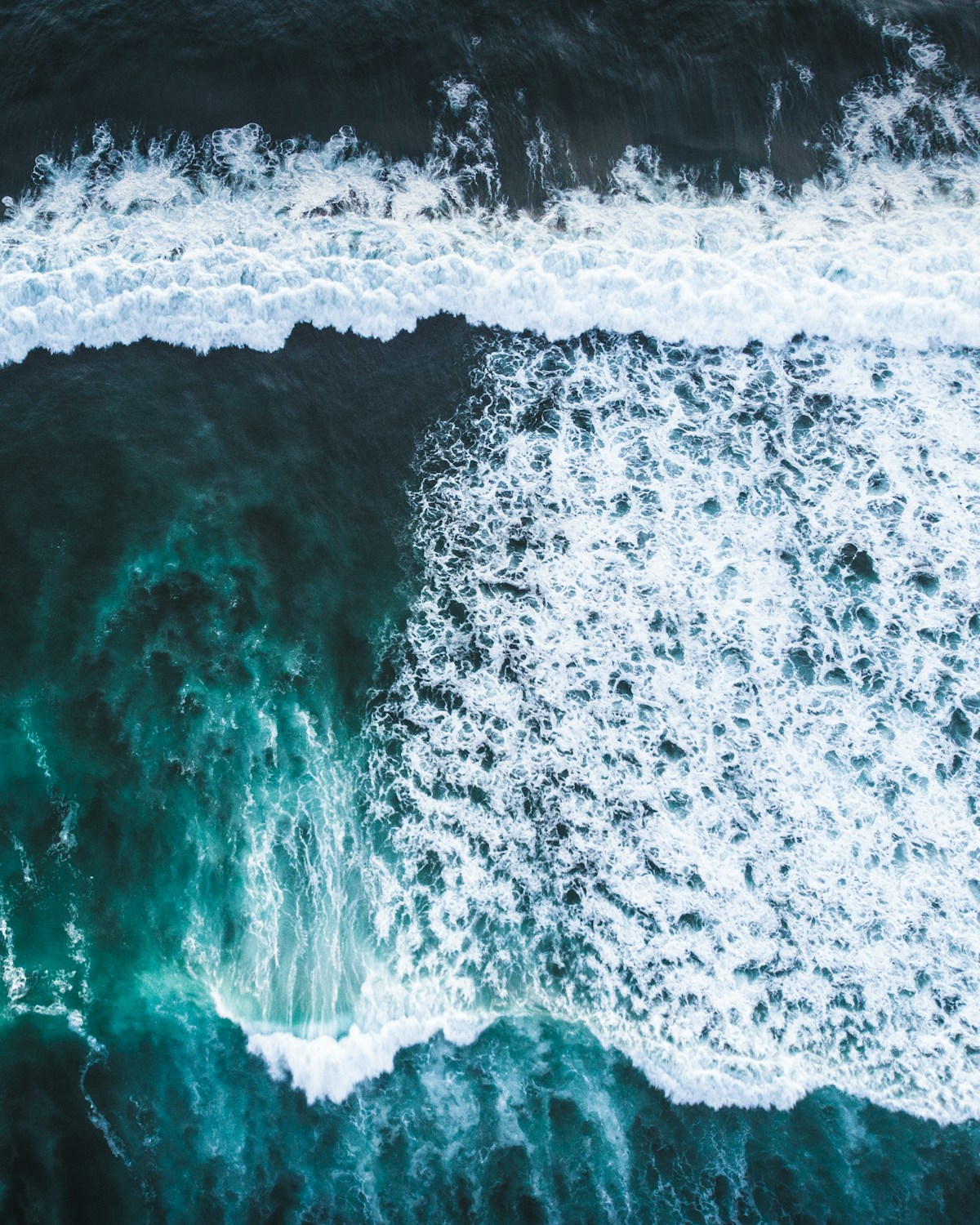
Ericeira is a fishing village of 12,000 people on the Atlantic coast 50km north of Lisbon. It became the second World Surfing Reserve in the world in 2011 - the first outside California. The designation covers a 4km stretch of coastline with seven classified breaks, each with a different character and optimal conditions.
The town retains more of its original identity than most surf destinations - white-washed houses, a fish restaurant strip above the cliffs, and a local surfing community that predates the international recognition by several decades. For seasonal planning, see our best time to visit Portugal guide.
World Surfing Reserve
The designation requires that the surfing environment, wave quality, marine habitat, and community surf culture all meet defined standards. For Ericeira, it also carries a protective function - the original designation included restrictions on coastal development that have prevented the kind of construction that has degraded other European surf destinations.
Seven breaks are formally classified within the reserve boundary.
The Breaks
Ribeira d’Ilhas - the flagship break and the one most associated with Ericeira internationally. A classic right-hand point break with a long, predictable wall. Works best on north and northwest swells with south or offshore wind. The wave runs for 100–150m on good days. Consistent, readable, and technically demanding above 6ft. Hosts WSL Qualification Series events. Level: intermediate–advanced.
Coxos - the most powerful break in the reserve. A right-hander over reef, notoriously heavy. The wave pitches sharply from a shallow reef and produces thick barrels at medium-to-large swell. Local-heavy lineup. Level: expert only. Not surfable in under 6ft conditions.
Pedra Branca - mid-tide reef break, consistent right-hander between Ribeira d’Ilhas and Coxos. Works at most swell sizes. Level: advanced.
Cave - just north of Coxos, a right-hander that breaks in front of a sea cave. Shallow, heavy, rarely surfed except by locals. Level: expert.
São Sebastião - beach break directly below the town. The most accessible break for intermediate surfers and the only one appropriate for beginners on genuinely small days (2–3ft, offshore wind). Gets crowded in summer; mornings are better than afternoons.
Reef (town reef) - works on small swells when everything else is too big or closed out. Right-hander, consistent but not powerful. A useful session when the other breaks are maxing out.
Foz do Lizandro - just south of Ericeira at the mouth of the Lizandro river. Beach break, more variable, works in small to medium swells. A good beginner and longboard option.
Best Season
October–March: most consistent. North Atlantic low-pressure systems deliver regular northwest swells with 2–4m faces at Ribeira d’Ilhas. Water temperature drops to 14–16°C - a 4/3mm wetsuit minimum, often 5/4mm.
April–June: transition period. Smaller and cleaner. Offshore winds more reliable. Water warms to 17–18°C. Good for intermediates who don’t need big swell.
July–September: most crowded. Swell drops to 0.5–1.5m most days. Beginners and longboarders work these conditions; shortboarders struggle. Water is warmest (19–21°C).
Surf Schools and Camps
Ericeira has fewer mass-market surf camps than Peniche - the culture is more experienced-surfer oriented. Several good options exist:
Ericeira Surf & Yoga Camp - focused on intermediate and advanced surfers, combining sessions at Ribeira d’Ilhas with yoga. Week packages from €600.
Ericeira Prime Surf School - offers lessons from beginner to advanced level. €40–50/lesson. Can arrange transport to whichever break is working.
Board rental is widely available in town: €20–30/day for shortboard, €25–35 for longboard.
Ericeira Town
The old fishing village has been gentrified but not entirely homogenised. The cliff above São Sebastião beach has a line of restaurants serving grilled fish and seafood at sea views. The town market runs on Friday mornings (produce, cheese, clothing). The village’s narrow streets fill in summer; the best time to see Ericeira’s original character is off-season.
Where to stay: Hotel Vila Galé Ericeira (4-star, pool, sea views, €120–200), Ericeira Chill Hill Hostel (dorms €25–35, private rooms €70–90), and a growing number of surf-oriented guesthouses. Airbnb has good options in the old town.
Search hotels in Ericeira Portugal on Booking.com to compare rates and availability.
Getting There
By car: A8 motorway from Lisbon, exit Malveira, then N116 to Ericeira. Total distance 50km, 45–55 minutes. Parking is tight in the town centre in summer - use the car parks on the outskirts.
By bus: Mafrense coaches from Lisbon Campo Grande terminal, approximately 1 hour, running throughout the day. Cost under €5. This is viable for a day trip from Lisbon.
car hire in Portugal is the most practical way to move between breaks - most of Portugal’s surf beaches are poorly served by public transport.
an eSIM for Portugal keeps you connected for real-time surf reports and swell forecasts. For guided surf lessons and camp packages, browse surf tours in Ericeira.
Ericeira vs the Other Surf Destinations
Choosing between Portugal’s surf spots? See our direct comparisons: Ericeira vs Peniche for the two most-compared Silver Coast destinations, and Nazaré vs Ericeira if you’re also considering the big wave destination 60km north. For Lisbon-area surf closer to the city, Praia do Guincho near Cascais offers powerful beach breaks 50km south. For Algarve-based surf in the south, Sagres and the Costa Vicentina are the strongest options. For a broader surf trip overview, the surfing Portugal guide covers all major breaks on the coast. Ericeira can also be combined with a Sintra day trip - Sintra is 30km south via the N116 and makes a strong half-day pairing.