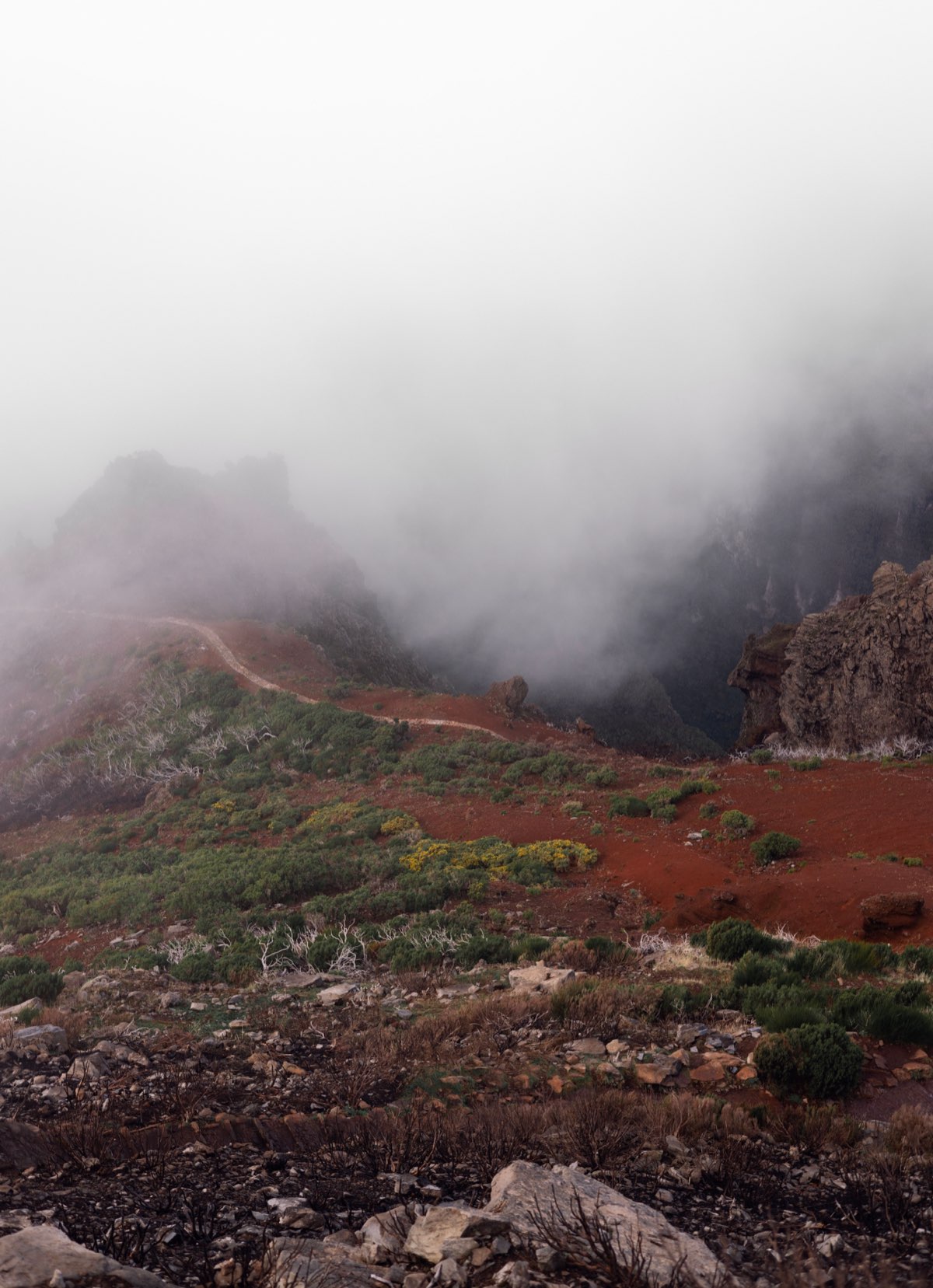
Madeira and the Canary Islands sit in the same stretch of North Atlantic Ocean within a few hundred kilometres of each other, and both are popular year-round European escape destinations. But they are not interchangeable. Madeira is greener, wilder, and more oriented towards hiking and nature. The Canary Islands — seven main islands, each with a distinct character — offer more variety, better beaches, and more developed resort infrastructure. Here is the full comparison to help you decide.
Quick Verdict
| Category | Madeira | Canary Islands |
|---|---|---|
| Levada hiking | Winner | - |
| Volcanic hiking | Good | Winner (Teide) |
| Sandy beaches | Porto Santo only | Winner |
| Swimming (pools) | Winner | Good |
| Year-round sunshine | Very good | Winner |
| Food scene | Winner | Good |
| Wildlife and whale watching | Good | Good |
| Resort variety | More limited | Winner |
Choose Madeira for unique levada walking, lush green volcanic scenery, an excellent food scene in Funchal, and a single-island destination that rewards slow exploration. Choose the Canary Islands for sandy beaches, reliable sunshine, more resort and accommodation variety, and the chance to visit dramatically different islands in one trip.
The Islands
Madeira
Madeira is a single large island (742 km²) with its capital Funchal on the south coast. The island is dramatically mountainous — the interior reaches 1,862m at Pico Ruivo — and covered in ancient laurisilva forest, a UNESCO World Heritage ecosystem. The south coast is drier and sunnier; the north coast receives significantly more rain and retains its wild character. Funchal has good restaurants, a strong cafe culture, and is genuinely pleasant to explore.
A separate island, Porto Santo, lies 45 km northeast and is reachable by a 2.5-hour ferry from Funchal (approximately €55 return). Porto Santo’s 9 km golden sand beach is the main reason to make the crossing.
The Canary Islands
The Canaries comprise seven main islands, each offering a distinct experience:
Tenerife: The largest and most visited, with Mount Teide dominating the centre. Teide (3,715m, Spain’s highest peak) is the headline attraction — a UNESCO site with cable car access to 3,555m and a permit-required ascent to the summit. Teide National Park’s landscape of ochre pumice and lava fields is extraordinary. The south (Costa Adeje, Playa de las Américas) has large resort hotels; the north (Puerto de la Cruz) is quieter and more characterful.
Gran Canaria: A circular island with a dramatic mountain interior and significant sand dune beaches at Maspalomas in the south. Las Palmas, the island capital, has a genuine city character. Good for cycling and multi-terrain hiking.
Lanzarote: The most architecturally distinctive Canary Island — César Manrique’s interventions (the Jameos del Agua art space inside a lava tube, the Cactus Garden) have set a design standard maintained across the island. Timanfaya National Park’s still-active volcanic landscape is unlike anything else on the islands. Good beaches on the north and west coasts.
Fuerteventura: The flattest and sunniest Canary Island, with some of the longest and least developed beaches in the Atlantic. Outstanding for windsurfing and kite-surfing around Corralejo in the north.
La Palma: The greenest and least visited of the main islands. Caldera de Taburiente National Park has exceptional crater hiking. The Roque de los Muchachos observatory is accessible and spectacular. Excellent for those seeking the Canaries without the resort crowds.
Hiking
Madeira’s levada network is the island’s signature attraction and completely distinctive. Over 2,000 km of walking paths follow ancient stone water channels (levadas) through the mountains, often through laurisilva forest, past waterfalls, and along dramatic clifftops. The paths run at near-flat gradients following the water channels — making many routes accessible to non-hikers — while the surrounding terrain is vertiginous.
Top Madeira levada walks:
- PR1 Levada do Caldeirão Verde: 13 km round trip through four tunnels (bring a torch), ending at a 100m waterfall; moderate
- PR6 Ponta de São Lourenço: 8 km along a narrow volcanic peninsula with sea on both sides; moderate-hard
- Levada dos Balcões: 4 km easy walk through pine and eucalyptus with views down to Funchal and across to Pico Ruivo; accessible to all fitness levels
The Canary Islands offer different but excellent hiking:
- Teide ascent (Tenerife): 8 km round trip from Montaña Blanca base (2,356m), 1,360m elevation gain; hard; requires advance permit from parquenacional.es (free, but books weeks ahead in summer)
- GR131 Ruta de los Volcanes (La Palma): 8 km along a dramatic ridge between volcanic craters; moderate-hard
- Caldera de Taburiente rim circuit (La Palma): multi-day backpacking route through a 9 km-wide erosion caldera
- Masca Gorge (Tenerife): dramatic descent through a volcanic gorge to a secluded beach; 3.5 km one-way
Winner: Madeira for the unique levada experience; the Canaries for variety and the Teide ascent.
Beaches
Madeira is not a beach destination in the traditional sense. Its coastline is predominantly volcanic rock, with natural lava pool complexes at Porto Moniz (northwestern tip) and Seixal — both excellent for swimming but not sandy beaches. Small black sand beaches exist at Prainha and Praia do Machico. The real beach option is Porto Santo: a 9 km sweep of golden sand reachable by a 2.5-hour ferry from Funchal (approximately €55 return). Porto Santo is worth the crossing for beach lovers.
The Canary Islands offer substantially more beach variety:
- Maspalomas (Gran Canaria): 6 km of sand dunes merging into protected beach — one of the finest in Spain
- Las Teresitas (Tenerife): Golden sand imported from the Sahara, sheltered by a breakwater near Santa Cruz; calm and family friendly
- Corralejo dunes (Fuerteventura): 10 km of protected dunes and beach, backed by a national park
- Lanzarote’s north coast beaches (Caletón Blanco, La Graciosa): remote, white sand, calm water
Winner: Canary Islands by a wide margin for sandy beaches.
Food
Funchal has a genuinely good restaurant scene, anchored by traditional Madeiran cuisine. Black scabbard fish (peixe espada), typically served pan-fried with banana — a combination that sounds wrong and tastes right — is unique to Madeira. Espetada (beef skewers hung over an open charcoal fire on a bay-laurel skewer) is the island’s most celebrated meat dish, particularly at the restaurants in Câmara de Lobos. The Mercado dos Lavradores in Funchal offers excellent local produce: passion fruit, custard apples, poncha (Madeira’s sugarcane spirit), and bolo de mel honey cake. The food scene in Funchal is small-city but serious.
Canary Islands food is good but less distinctive. The Canarian wrinkled potato (papas arrugadas) with mojo rojo or mojo verde sauce is the signature dish — simple and delicious with fresh fish. Gofio (roasted grain flour) appears in various preparations. Las Palmas in Gran Canaria has a genuine city food scene with good tapas bars. Lanzarote’s volcanic soil produces excellent wines (PDO La Geria).
Winner: Madeira for distinctive regional cuisine and food quality.
Getting There
Madeira: Direct flights from the UK (Gatwick, Manchester, Birmingham, Bristol, Edinburgh), Germany, Ireland, and multiple European cities operate year-round on TAP, Jet2, easyJet, and Ryanair. TAP flies from Lisbon in approximately 1.5 hours. Flight prices from the UK start around €100–150 return booked 6–8 weeks ahead.
Canary Islands: Heavily served by UK package operators and low-cost airlines. Tenerife South, Gran Canaria, Lanzarote, and Fuerteventura all have direct flights from most major UK airports year-round. Package deals (all-inclusive or flight-plus-hotel) are often significantly cheaper than booking independently, particularly in winter months.
Weather
Both offer year-round mild conditions. Madeira averages 16°C in January and 26°C in August — slightly cooler than the Canaries. The Canary Islands (particularly the south of Tenerife, Gran Canaria, Lanzarote, and Fuerteventura) receive more guaranteed sunshine year-round, making them a more reliable winter sun destination. Madeira’s north coast and interior receive substantially more rain than the sunny south. The Canaries in spring (March–May) experience calima — Saharan dust winds that reduce visibility and warmth temporarily.
Tours in Madeira cover guided levada walks, jeep safaris, and whale watching from Funchal. Hotels in Madeira on Booking.com cover the full range from Funchal city hotels to rural quintas and resort properties.
Final Verdict
Madeira and the Canary Islands attract overlapping but distinct traveller profiles. Madeira suits those who want wild volcanic scenery, outstanding hiking, a good food scene in a compact capital, and whale and dolphin watching on Atlantic swells. The Canaries suit those who want a sandy beach holiday, more resort infrastructure, reliable winter sunshine, and the option to experience dramatically different island characters on one trip.
Many travellers to one eventually visit the other — the contrast, despite their proximity in the Atlantic, is considerable.
More Portugal Comparisons
- Madeira vs Azores — comparing Portugal’s two island groups
- Azores vs Hawaii — volcanic Atlantic island versus Pacific paradise
- Algarve vs Madeira — mainland beach holiday versus Atlantic island escape
- Portugal vs Spain — the two Iberian countries in full
Plan Your Trip
🏨 Search hotels in Madeira on Booking.com 🎯 Tours in Madeira
✈️ Book your flights to Portugal 🛡️ Portugal travel insurance guide · get covered with EKTA 📱 Stay connected with an eSIM 🚗 Rent a car in Portugal