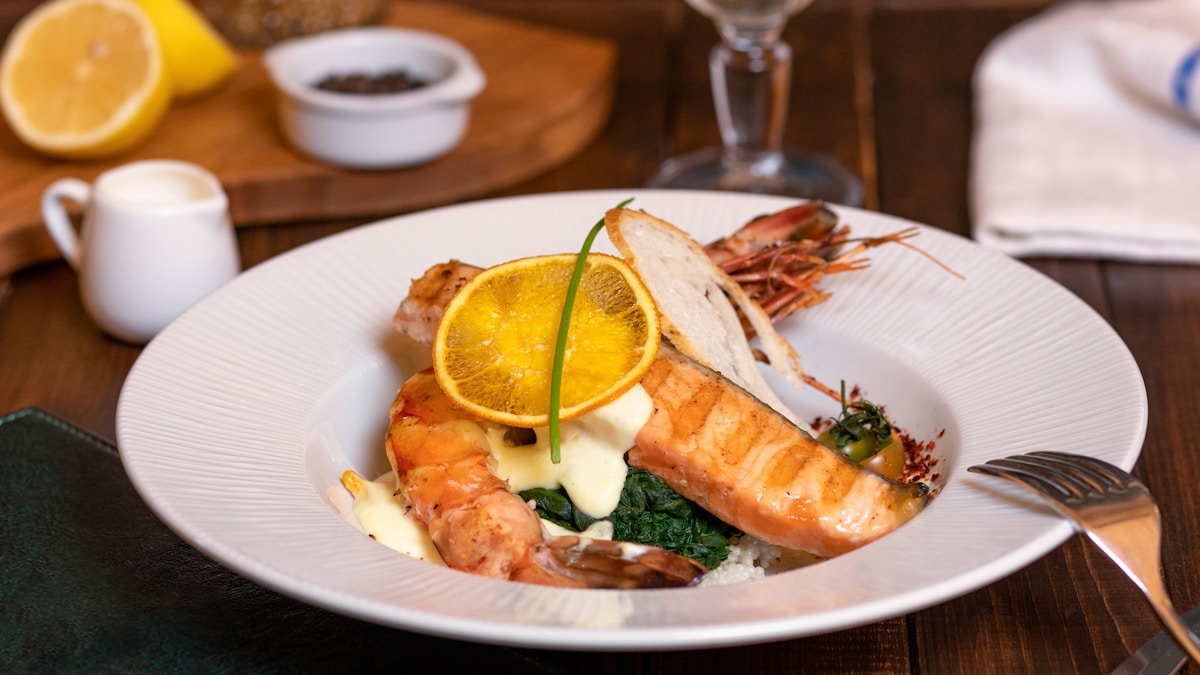
Setúbal has a legitimate claim to being one of the best cities in Portugal to eat seafood. It’s a working fishing port with daily landings from the Atlantic and the Sado estuary, a functioning covered market where the day’s catch is sold every morning, and a restaurant culture that serves local residents rather than primarily tourists. Choco frito - fried cuttlefish - is the dish most associated with the city, and when made properly, it justifies the association.
Choco Frito (Fried Cuttlefish)
Cuttlefish (choco) is different from squid - thicker, with more texture, and a slightly sweeter flavour. In Setúbal, the preparation is simple: the cuttlefish is cleaned, cut into strips, dusted in flour, and fried in olive oil at high temperature. The outside should be slightly crisp and golden; the inside tender without being rubbery. It is served with lemon, plain bread, and a green salad or fried potatoes.
Every seafood restaurant in Setúbal serves choco frito. The quality differential comes from the freshness of the cuttlefish and the temperature of the oil. The best versions use cuttlefish caught the same day and fry in clean, hot oil - not the accumulated oil of previous batches. Expect to pay €12–16 for a main-course portion.
Amêijoas à Bulhão Pato
Clams (amêijoas) from the Sado estuary have a clean, briny flavour from the estuary’s mix of fresh and salt water. The Bulhão Pato preparation - olive oil, garlic, coriander, lemon, and white wine - is simple and requires the clams to be genuinely good to succeed. Setúbal’s versions are among the better examples of this dish in the Lisbon region. Served as a starter for €10–14 or a generous main for €16–22.
Queijo de Azeitão
Azeitão cheese (queijo de Azeitão) is a DOP soft sheep’s milk cheese made in the villages of Azeitão, Palmela, and Setúbal municipality. It is small - typically 100–200g - with a washed rind and a creamy, runny interior that intensifies in flavour as it matures. The correct way to eat it is to cut off the top and scoop the centre with bread or a spoon.
It is produced in small quantities and is not widely distributed outside the region. The best place to buy it is at the Mercado do Livramento in Setúbal or directly from producers in Azeitão village. It does not travel well; eat it within a day or two of purchase.
Moscatel de Setúbal
The region’s fortified wine appears on every restaurant table as a dessert wine. It pairs naturally with the local sheep’s milk cheese or with pastéis de nata for dessert. The better restaurants stock aged moscatel (10 or 20 years) alongside younger vintages - the aged versions develop flavours of dried fig, walnut, and caramel that go beyond the fresh floral character of young moscatel.
A glass at a restaurant costs €3–6 depending on the age and producer. A bottle of José Maria da Fonseca Moscatel from the supermarket costs €8–14 for the standard range.
To go beyond self-guided eating, tours in Setúbal include food-focused walking tours that visit local markets, tasca restaurants, and artisan producers.
Keep data handy for Google Maps and restaurant research - an eSIM for Portugal works across Portugal from the moment you land.
Take a Guided Food Tour of Setúbal
Setúbal’s food strengths — choco frito from cuttlefish caught in the Sado estuary, amêijoas with their clean briny estuary flavour, queijo de Azeitão scooped from its rind with bread, and moscatel from the Setúbal peninsula vineyards — are specific enough to reward guided context. A food tour visits the Mercado do Livramento, where the fish stalls transition to prepared food at midday, explains the quality difference between fresh-caught choco frito fried in clean hot oil versus the accumulated-oil version, and finds the restaurants around Praça de Bocage that serve a genuine Setúbal clientele rather than day-trippers from Lisbon.
Browse food tours in Portugal on GetYourGuide.
Where to Eat
Setúbal’s best restaurants are concentrated around the waterfront and the streets near Praça de Bocage.
Ponto Final (Avenida Luísa Todi, near the Sado ferry terminal) is well-regarded for fresh fish and choco frito. The terrace overlooks the estuary and Troia Peninsula. Mains €13–20.
O Beco (Rua do Quebedo) is a smaller, less showy restaurant that locals use - choco frito, amêijoas, and the day’s grilled fish at €11–16.
Restaurante O Castelão near the castle ruins is a reliable option for a full seafood meal with local wine. The lingueirão (razor clam) preparation here is good when in season.
The Mercado do Livramento is the best place for a cheap lunch - the fish stalls in the morning transition to prepared food at midday, with ready meals available from €8–12 at the market restaurants. Setúbal’s choco frito is one of the highlights of the Portugal road trip itinerary. For accommodation options and things to see, visit best hotels in Setúbal and things to do in Setúbal.