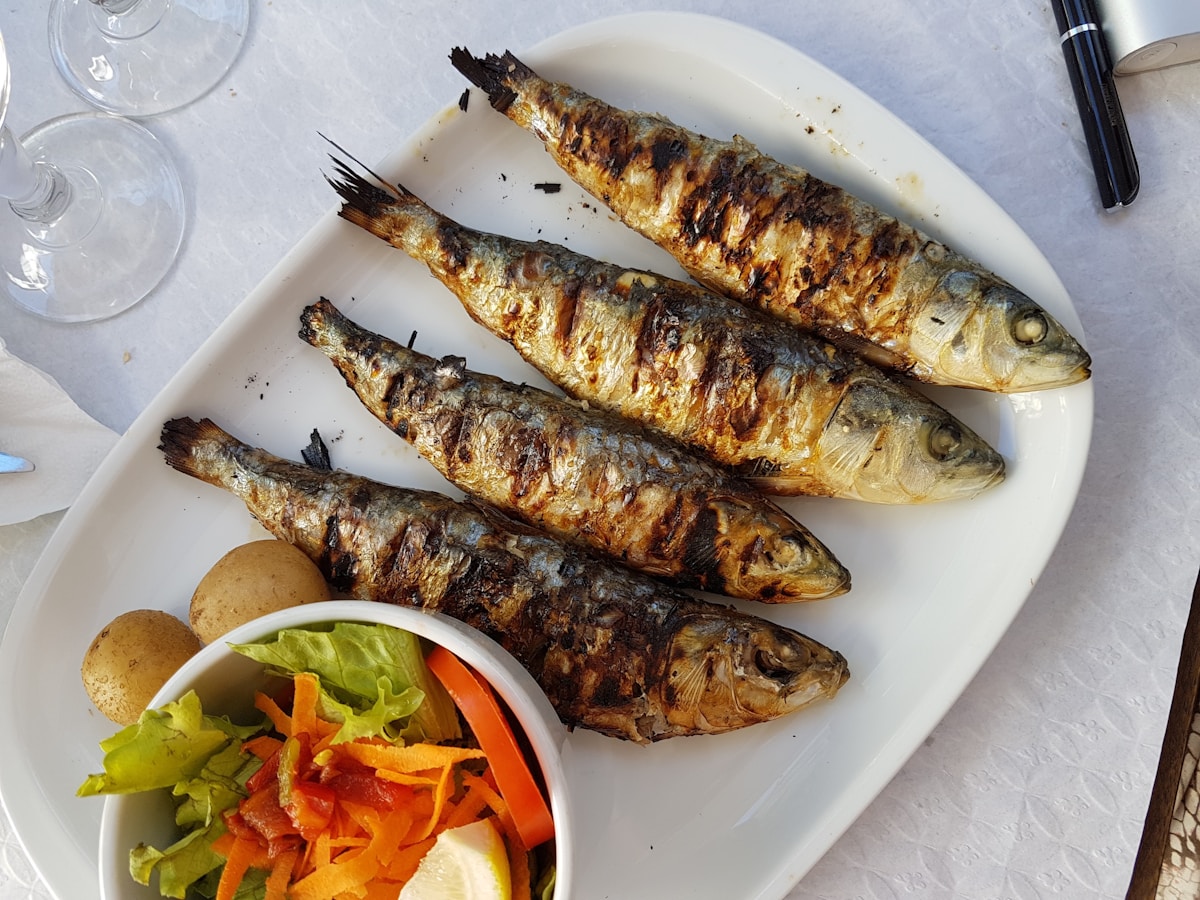
Cascais is a wealthy seaside town with genuine seafood credentials - the Atlantic is 300m from the town centre and the fishing boats still work. Restaurants range from tourist traps on the main square to very good seafood restaurants that locals actually use. The key is knowing where to eat and what to order.
What to Eat
Robalo grelhado (grilled sea bass) - the everyday choice at seafood restaurants across Cascais. Restaurants price fish by weight; a 400g robalo typically costs approximately €16–22 as of 2026. Ask for it charcoal-grilled (na brasa or carvão) if the restaurant offers it - the smokiness transforms the fish. Served with boiled potatoes, salad, and olive oil. Always confirm the price before ordering, as fish-by-weight can surprise if you are not expecting it.
Linguado grelhado (grilled sole) - flat fish, pan-fried in butter or grilled whole. One of the best preparations in the Cascais region. Slightly more expensive than sea bass - expect approximately €18–26 for a portion. The flesh is more delicate and the butter preparation (à meunière) is the classic method.
Caldeirada de peixe - fish stew with potato, tomato, onion, and olive oil, layered in a pot and slow-cooked. Typically made with whatever fish is available that day - often a mix of sea bass, monkfish, and conger eel. A good winter dish and one of the more affordable ways to eat well (approximately €14–18 per portion). The broth, soaked up with bread, is as important as the fish.
Arroz de lingueirão (razor clam rice) - creamy rice cooked with razor clams, parsley, white wine, and garlic. Usually sold for two people (para dois) and brought to the table in the cooking pot. Approximately €28–40 for two. A rich dish - order a green salad alongside it.
Percebes (goose barnacles) - expensive (approximately €35–60/kg as of 2026) and intensely flavoured. Served steamed, eaten by snapping off the outer shell and extracting the meat from the stalk. Harvested from the wave-battered rocks of the Atlantic coast - the difficulty and danger of collection explains the price. A Cascais specialty worth trying at least once, particularly at restaurants that source directly from local fishermen.
Amêijoas à Bulhão Pato - clams steamed open in white wine, garlic, olive oil, and fresh coriander. Named after the 19th-century Portuguese poet Bulhão Pato. Simple, fast, and one of the best starters on any Cascais menu. Approximately €12–16 as a starter portion.
The Fish Market
The Mercado Municipal (Avenida Afonso Sanches) has a fresh fish section with the morning catch. Open Tuesday to Saturday mornings (approximately 7am–1pm). Good to walk through even if you are not cooking - it shows you exactly what is in season and what the restaurants are buying. The surrounding market stalls sell seasonal produce, Azeitão sheep’s cheese, olives, and dried fruits. On the upper level, several small food stalls serve inexpensive lunches (approximately €8–12 for a fish plate with rice and salad).
Where to Eat
O Pescador - Long-established seafood restaurant near the marina, open since 1964. Good fish by weight, reliable preparation, attentive service. Not cheap (mains approximately €20–28) but consistent across decades. The seafood rice (arroz de marisco, approximately €35 for two) is a house specialty. Closed Mondays. Reservations recommended for dinner in summer.
Taberna da Praça - Smaller, cheaper, and less polished than the marina restaurants. The daily lunch menu (approximately €12–14 as of 2026) includes a fish course, bread, and a drink. Used by local workers - a reliable indicator of quality. Located on a Rua Afonso Sanches side street. Cash preferred, though cards are accepted.
Furnas do Guincho (15km out on the Guincho coast road) - If you have a car, this is the best seafood restaurant in the wider Cascais area. Built into the cliff face above the Atlantic, the setting is dramatic. Excellent percebes and arroz de lingueirão. Mains approximately €25–40. Book ahead, particularly for weekend lunch. The drive along the coast from Cascais is scenic.
Cervejaria Fazenda - Mid-range option near the old town that does a good cataplana (copper-pot seafood stew, approximately €30–35 for two) and fresh fish. More consistently reliable than the row of restaurants facing the beach, and slightly better value for the quality.
Mar do Inferno - Located near the Boca do Inferno blowhole, 2km west of the centre. Seafood-focused with a terrace overlooking the rocky coast. Mains approximately €18–28. The grilled dourada (sea bream) is well-prepared here. Good for a leisurely lunch with a view.
Cafés and Pastry
Casa da Guia - Converted mansion complex on the coastal road to Boca do Inferno. A cluster of shops, galleries, and a café with sea views from the terrace. Coffee is approximately €2.50 - more than a typical Portuguese café - but the ocean view justifies the visit. The cake selection is above average.
Pastelaria Garrett - On the main pedestrian street, Rua Frederico Arouca. A traditional pastelaria with good pastéis de nata, croissants, and sandwiches. Useful for a quick, cheap breakfast or mid-morning coffee. Interior seating is more affordable than the terrace.
Cascais has several good pastelarias in the side streets off the main pedestrian area. The Mercado da Villa mall has a food court on the ground floor that is useful for a quick, affordable lunch - options include sushi, burgers, and Portuguese grills at approximately €8–14 per meal.
To go beyond self-guided eating, tours in Cascais include food-focused walking tours that visit local markets, tasca restaurants, and artisan producers.
Keep data handy for Google Maps and restaurant research - an eSIM for Portugal works across Portugal from the moment you land.
Take a Guided Food Tour of Cascais
Cascais’s seafood credentials are genuine — percebes from the wave-battered Atlantic rocks, arroz de lingueirão from the coast, and grilled robalo priced by weight at restaurants sourcing directly from local fishermen. A guided food tour helps you navigate the quality gap between the tourist-facing restaurants on the main square and the places locals actually use, visits the Mercado Municipal on Avenida Afonso Sanches to understand what’s in season, and often includes a stop at Furnas do Guincho on the coastal road for the best percebes in the wider Cascais area.
Browse food tours in Portugal on GetYourGuide.
Tipping
Tipping is not obligatory in Portugal. Rounding up or leaving 5–10% is appreciated at sit-down restaurants. Some tourist-facing restaurants add a service charge - check the bill before tipping on top. Cascais is a natural stop on a 3-day Lisbon itinerary or the one week in Portugal route. For accommodation, see best hotels in Cascais.