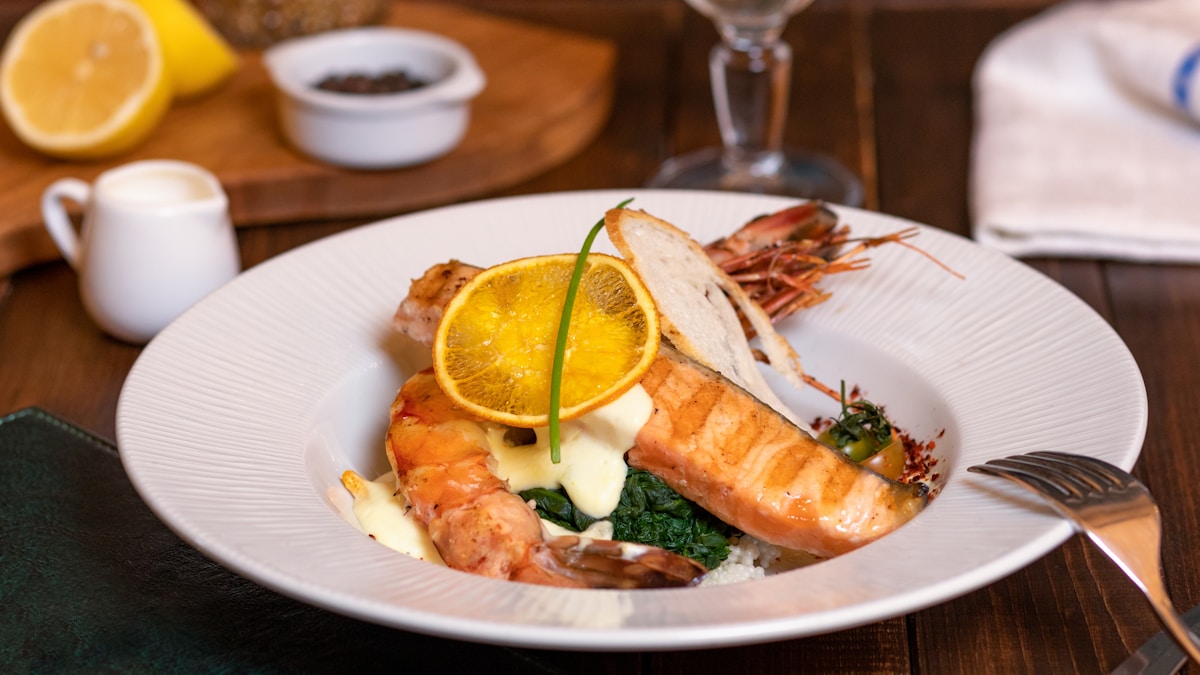
Portuguese cooking is one of Europe’s most underrated cuisines - built on Atlantic seafood, good olive oil, and slow-cooked pork, with a pastry tradition of exceptional depth. The country’s food varies significantly by region: the Minho in the north is pork and vinho verde country; the Alentejo interior is olive oil, bread, and black pig; the Algarve and Atlantic coast is all about fresh fish and shellfish. For city-specific recommendations, see our Lisbon restaurants guide and Porto restaurants guide.
The Essentials
Pastéis de Nata
Custard tarts with a caramelised top and flaky pastry shell. Made with egg yolks, sugar, cream, and a touch of cinnamon. The original recipe comes from the monks of Jerónimos Monastery in Belém, Lisbon, around 1837 - the original bakery (Pastéis de Belém, Rua de Belém 84) still uses a secret recipe. Every bakery in Portugal makes them. At their best eaten warm, dusted with powdered sugar and cinnamon.
Bacalhau (Salt Cod)
The Portuguese relationship with salt cod is singular. Portugal imports around 30% of the world’s salt cod production despite being a maritime nation - the tradition comes from Newfoundland fishing grounds exploited since the 15th century. The most common preparations:
- Bacalhau à Brás - shredded cod with scrambled eggs, thin potato crisps, and black olives
- Bacalhau com natas - baked cod with cream and potato gratin
- Bacalhau à Gomes de Sá - cod with potato, hard-boiled egg, onion, and olives
- Bacalhau cozido - boiled cod served with potato, egg, and olive oil (the simplest and arguably the best when the fish is good)
Grilled Fish (Peixe Grelhado)
Portugal has 850km of Atlantic coastline and the fish quality is exceptional. Sea bass (robalo), sea bream (dourada), and sole (linguado) are the premium options; grilled sardines (sardinhas assadas) are the everyday summer classic. Priced by weight at most restaurants - ask the waiter what the fish weighs before ordering to avoid bill surprises.
Sardines (Sardinhas Assadas)
Grilled sardines are one of the emblematic foods of Portuguese summer. The Festas de Lisboa in June are celebrated with grilled sardines and beer. The sardines need to be genuinely fresh - ask if they are “do dia” (today’s catch). Eat with bread and olive oil, no sauce needed.
Meat Dishes
Carne de Porco à Alentejana
The country’s most exported dish beyond pastéis de nata. Pork cubes marinated in white wine and garlic (vinha d’alhos), sautéed with baby clams, lemon, and coriander. The combination of pork and shellfish is characteristic of Alentejo and the Algarve. Done badly it is uninspiring; done well it is one of the best things on the menu.
Francesinha
A Porto-specific sandwich that is effectively a small tower of food: bread, steak, linguiça, wet-cured ham, and melted cheese, submerged in a spiced tomato and beer sauce, topped with a fried egg. It is a meal and a challenge. The sauce recipe varies between Porto restaurants - each claims theirs is definitive. Try at Café Santiago or Taberna São Roque.
Leitão da Bairrada
Whole suckling pig (leitão) roasted slowly until the skin shatters when tapped. A specialty of the Bairrada region between Coimbra and Aveiro. Pedro dos Leitões in Mealhada is the pilgrimage address; restaurants in Porto and Coimbra serve it.
Chanfana
Goat slow-braised in red wine in a sealed clay pot. A Beira Baixa specialty, particularly associated with the villages around Miranda do Corvo near Coimbra. The wine reduces to a thick sauce and the meat falls from the bone. A winter dish.
Rojões à Moda do Minho
Cubed pork belly braised with white wine, lard, cumin, and garlic, served with baby clams, potato, and presunto. A Minho specialty that showcases the north’s love of pork-shellfish combinations.
Soups
Caldo Verde
Thinly sliced kale in a potato and broth base, with a slice of chouriço. Portugal’s most universal soup - found at weddings, tascas, and restaurant menus nationwide. The kale should be shredded almost to a paste; the texture comes from the potato.
Açorda Alentejana
Bread soup from the Alentejo - day-old bread with garlic, olive oil, and coriander in hot water or stock, with a poached egg broken in at service. Deceptively simple and deeply satisfying. A dish built for frugality that became a regional emblem.
Sopa de Grão com Espinafres
Chickpea and spinach soup, Alentejo style. Olive oil forward, with hard-boiled egg slices on top. Standard first course at traditional restaurants.
Shellfish and Seafood
Amêijoas à Bulhão Pato
Clams steamed open in white wine, olive oil, garlic, and coriander. Named after a 19th-century Portuguese poet known for his appetite. The simplest seafood preparation and one of the best. Order as a starter everywhere you see it.
Percebes (Goose Barnacles)
Volcanic rock barnacles harvested from exposed Atlantic headlands (most notably from the Costa Vicentina in the Alentejo coast and the Galician border). They look peculiar - a rubbery grey stalk with a horny foot - and taste like concentrated ocean. Snap the top off, pull out the flesh. Expensive (€35–60/kg) and worth it.
Arroz de Lingueirão
Razor clam rice. Long razor clams in creamy rice with white wine, onion, and parsley. Typically served for two people. A staple of coastal restaurants from the Algarve to the Douro estuary.
Cataplana de Marisco
A mixed shellfish stew cooked in the copper cataplana (a hinged copper clam-shell vessel sealed during cooking). Usually contains clams, shrimp, chouriço, tomato, pepper, and white wine. A theatrical dish - the cataplana is opened at the table.
Bread and Sides
Pão (Bread)
Portuguese bread culture is strong. Every region has its own bread - broa (maize bread from the north), bolo do caco (Madeira’s flat bread cooked on volcanic stone), pão de centeio (rye bread from Trás-os-Montes). Restaurants automatically bring bread to the table before the meal - this is charged (typically €1–2/person). You can refuse it.
Migas
Fried bread soaked in cooking fat, garlic, and sometimes pork. An Alentejo staple, served as a side to pork dishes. The texture is dense and rich - starchy and sustaining.
Pastry and Dessert
Pastel de Tentúgal
Filo pastry tubes filled with egg custard cream. From the town of Tentúgal near Coimbra. More delicate than pastéis de nata.
Toucinho do Céu
An almond tart with a name that translates as “bacon from heaven” - the original recipe contained lard. Egg-rich, sweet, almond-dense. Associated with convents, particularly in Braga and the Alentejo.
Arroz Doce
Rice pudding with cinnamon, egg yolks, and lemon zest. The classic Portuguese dessert. Served cold, found at every tasca in the country.
Pudim Flan
Portuguese crème caramel - very similar to the French version but often made with condensed milk, giving it a richer flavour. Standard dessert menu item at mid-range restaurants.
Serradura
“Sawdust pudding” - crushed Marie biscuits layered with whipped cream sweetened with condensed milk. More of a colonial-era invention (popular in Macau and Angola) than traditional Portuguese. Very common in Lisbon restaurants.
Drinks
Vinho Verde
Literally “green wine” - young wine from the Minho region, usually low alcohol (9–11%), slightly sparkling, high acidity. White vinho verde is the most commonly exported style. Red and rosé vinho verde exist and are almost never seen outside Portugal. Excellent with seafood and summer meals.
Alentejo Wine
The Alentejo produces bold, ripe reds from Aragonez (Tempranillo), Trincadeira, and Alicante Bouschet. The region’s wines are now Portugal’s most internationally recognised alongside port. Good bottles start from €8–12 in restaurants.
Port Wine
Fortified wine from the Douro Valley, aged in Vila Nova de Gaia across the river from Porto. Styles range from Ruby (young, fruity) through Tawny (aged in wood, nutty) to Vintage (single-year premium). LBV (Late Bottled Vintage) is the best value introduction - aged 4–6 years, good enough to drink now.
Ginjinha
Cherry liqueur from sour Morello cherries. Made in the Óbidos and Lisbon area. A shot glass of ginjinha from a stand in Lisbon’s Largo de São Domingos is one of the small rituals of the city. At Óbidos, it is served in a chocolate cup.
Medronho
Arbutus berry spirit from the Algarve and Serra de Monchique hills. Very high alcohol (50–65%), strong fruit and fire combination. Served as a digestive.
tours in Lisbon include food-focused walking tours that visit local tasca restaurants, markets, and artisan food producers across Lisbon’s neighbourhoods. For Porto, food tours in Porto cover the Mercado do Bolhão, local tascas, and the francesinha debate in person.
Take a Guided Food Tour of Portugal
A guided food tour puts the full range of Portuguese cuisine into context faster than eating your way through a menu alone. In Lisbon, the best tours visit Alfama tascas, the Mercado da Ribeira, and a pastelaria for pastéis de nata fresh from the oven — covering the bacalhau, petiscos, and ginjinha traditions in a single afternoon. In Porto, tours take in the Mercado do Bolhão bacalhau stalls, the francesinha debate, and the marisqueiras of Matosinhos. Both cities reward a guided introduction before you start eating independently across multiple days.
Browse food tours in Portugal on GetYourGuide.
Going Deeper
For specific city-by-city restaurant picks, see our Lisbon restaurants guide and Porto restaurants guide. For the pastry tradition in depth, including regional sweets and the best pastelarias, see the Portuguese pastry guide. For seafood specifically, the Portuguese seafood guide covers fish and shellfish by species, with regional context. Wine context - from port to vinho verde to Alentejo reds - is covered in our Portuguese wine guide. To learn to make pastéis de nata yourself in Lisbon, see our pastel de nata workshop guide.
Plan Your Trip to Portugal
Where to stay: Find hotels in Portugal — search accommodation across all budgets.