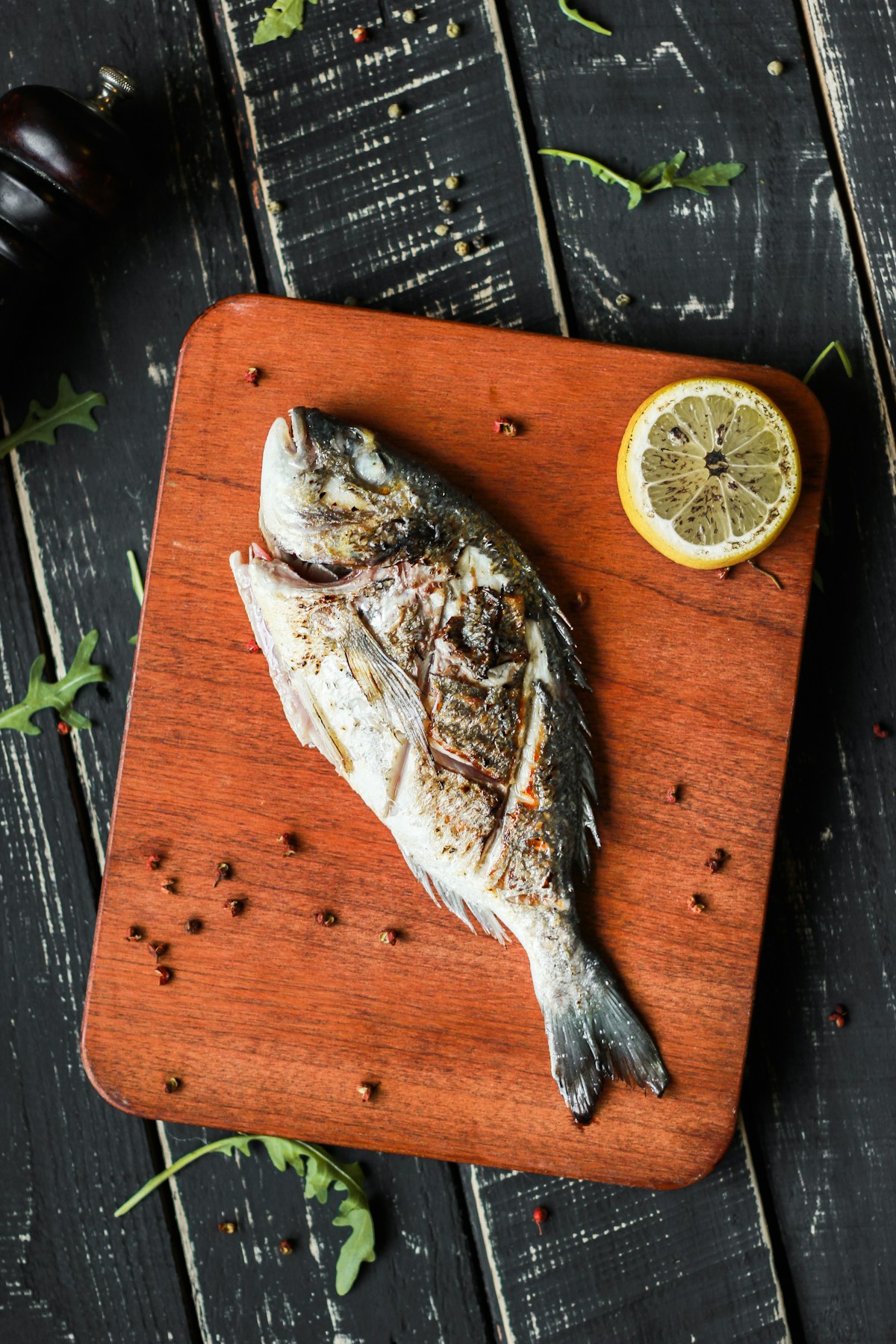
Portugal eats more salt cod per capita than any other country. The statistic is frequently cited: there are 365 named recipes for bacalhau, one for every day of the year. This is almost certainly an exaggeration, but the underlying truth holds - no other country has developed such a comprehensive culinary obsession with a single preserved fish. For the full picture of Portuguese cuisine beyond bacalhau, see our Portuguese food guide. For guided tastings in Lisbon that put bacalhau in context, our Lisbon food tours guide covers operators who include salt cod dishes on their route.
The History
Portuguese fishermen reached the Grand Banks off Newfoundland and Labrador in the early 16th century. The cod there were abundant beyond anything seen in European waters, and the salt needed to preserve them for the return voyage was available in Portugal’s river estuaries. The combination created an industry that lasted 450 years.
The Portuguese fishing fleet - the bacalhoeiros - worked the Grand Banks until 1974, when overfishing quotas ended the era. The fish itself is now imported from Norway, Iceland, and the Faroe Islands, but the cultural attachment to the product never diminished.
During the Salazar dictatorship (1933–1974), bacalhau was actively promoted as food for the common people - cheap, sustaining, patriotic. This association has largely been shed: bacalhau is now a prestige ingredient in Portugal, more expensive than most fresh fish.
How It Works
Salt cod is not smoked or dried like Scandinavian stockfish - it is buried in salt for several weeks, which draws out moisture and preserves the flesh. The resulting product can be stored at room temperature for months.
Before cooking, it must be desalted (demolhado): soaked in cold water for 24–48 hours, changing the water 3–4 times. This removes excess salt and rehydrates the flesh. The desalting time and the number of water changes determine the saltiness of the finished dish - a skilled cook calibrates this carefully.
Good bacalhau is still moist and resilient after desalting, with a clean fish smell. Cheap or over-dried cod becomes stringy and can turn bitter.
The Classic Recipes
Bacalhau Cozido (Boiled)
The base case. Desalted cod simmered in barely boiling water for 10–15 minutes, served with boiled potato, hard-boiled egg, boiled chickpeas, and dressed with olive oil and garlic. No sauce, no elaboration. The quality of the cod and the olive oil determine everything.
Bacalhau à Brás
Shredded salt cod mixed with scrambled eggs and very thin potato crisps (palha - straw potatoes), garnished with black olives and parsley. Named after a 19th-century Lisbon tavern owner called Brás. The eggs should be barely set - wet and silky rather than dried out. The potato should still have texture, not have gone soft.
Bacalhau com Natas (à Zé do Pipo)
Baked cod under a cream and onion sauce, with potato. The cream (natas) is whipped and baked to a crust on top. Rich, heavy, a winter dish. Named after Zé do Pipo, a Porto restaurateur who popularised it.
Bacalhau à Gomes de Sá
Salt cod flakes baked with potato slices, onion, olive oil, hard-boiled eggs, and black olives. Named after José Luís Gomes de Sá, a 19th-century Porto merchant and amateur cook. One of the most copied of all bacalhau preparations.
Bacalhau à Lagareiro
Whole piece of cod baked on a bed of potato, roasted garlic, and an excessive amount of olive oil. “Lagareiro” refers to the owner of a lagare (olive press) - the dish celebrates olive oil. The potato is baked until it absorbs the oil entirely. Found at good restaurants rather than tascas.
Bacalhau à Braga
Fried cod with very thinly sliced fried potato, onion, and olives. A simpler preparation associated with Braga in the north. Less creamy than the Porto versions, more similar to the cozido in its directness.
Bacalhau à Minhota
From the Minho region - bacalhau cooked with potatoes, onion, and peppers, dressed with olive oil and vinegar. Light and less rich than the cream-based preparations.
Bacalhau Espiritual
A more recent recipe (20th century) - shredded cod mixed with carrot, onion, and a béchamel sauce, baked in a gratin. Found at home cooking and school canteens. Sometimes dismissed as institutional but done well (with good fish and real béchamel) it is genuinely good.
Bacalhau na Brasa
Cod grilled over charcoal - a thick piece of desalted cod, oiled and grilled on a very hot grill. Served with olive oil, garlic, and a salad. One of the best preparations if the timing is right - charred outside, barely cooked inside.
Where to Eat Bacalhau
Lisbon
Our full Lisbon restaurants guide covers where to eat beyond bacalhau specifically.
Solar dos Presuntos (Rua das Portas de Santo Antão) - traditional Lisbon restaurant with an extensive bacalhau menu. Reliable, slightly formal, good wine list. Mains €18–28.
Tasca do Chico (Mouraria) - small tasca with fado at lunch. The daily bacalhau is consistently excellent. Book a week ahead.
A Cevicheria (Príncipe Real) - modern Portuguese, does interesting reinterpretations of bacalhau alongside its headline ceviche dishes.
Bastardo (Intendente) - young kitchen, creative takes on classic Portuguese dishes including bacalhau.
Porto
See our Porto restaurants guide for the full eating-out picture in the north.
Taberna dos Mercadores (Ribeira) - ground floor, simple, good daily bacalhau specials.
DOP (Palácio das Artes) - Rui Paula’s fine dining restaurant; Porto’s most sophisticated take on bacalhau preparations.
Casa Aleixo (long-established Porto restaurant) - traditional, reliable, bacalhau preparations done to formula but to a good formula.
tours in Lisbon include food-focused walking tours that visit local tasca restaurants, markets, and artisan food producers across Lisbon’s neighbourhoods. Tours in Porto cover the Mercado do Bolhão bacalhau stalls and northern-style cod preparations.
Take a Guided Food Tour to Understand Bacalhau
A guided food tour in Lisbon or Porto will put bacalhau in its full context — visiting a tasca that does a genuinely good bacalhau à Brás, explaining the 365-recipe tradition, and often stopping at the bacalhau stalls at Mercado do Bolhão in Porto to see the different grades of salted and dried cod before it is soaked. Understanding the preparation method (demolhado — the 24–48 hour desalting process) and the quality difference between hand-shredded and machine-cut cod becomes clear when someone walks you through it at the source rather than reading about it on a menu.
Browse food tours in Portugal on GetYourGuide.
Buying Bacalhau
Supermarkets stock both dried-salted (the traditional form) and pre-soaked, vacuum-packed cod (more convenient). The dried version from the fishmonger section of a proper market is better quality.
At the Mercado do Bolhão in Porto, the bacalhau stalls display massive dried whole fish, the thick “lombo” (loin) sections commanding premium prices. For cooking at home, buy the centre loin cuts - thick, boneless, and the most forgiving to cook.
For travel: vacuum-packed desalted bacalhau is available in supermarkets and travels well in a cool bag. It is one of the few Portuguese food products that can be taken home easily.