Food in Lisbon — What to Eat and Where
Book an experience
Top-rated experiences in Lisbon City Guide
The highest-rated tours and activities in Lisbon City Guide. Book today, cancel free if plans change.
Lisbon’s food scene is one of the better ones in Southern Europe — genuinely rooted in Portuguese tradition, with a growing number of places doing interesting things with those traditions. The city has also become expensive enough that tourist traps are a real hazard, particularly around Alfama and the waterfront. Knowing a few reliable names saves you from mediocre food at inflated prices. For neighbourhood context, see our Lisbon city guide.
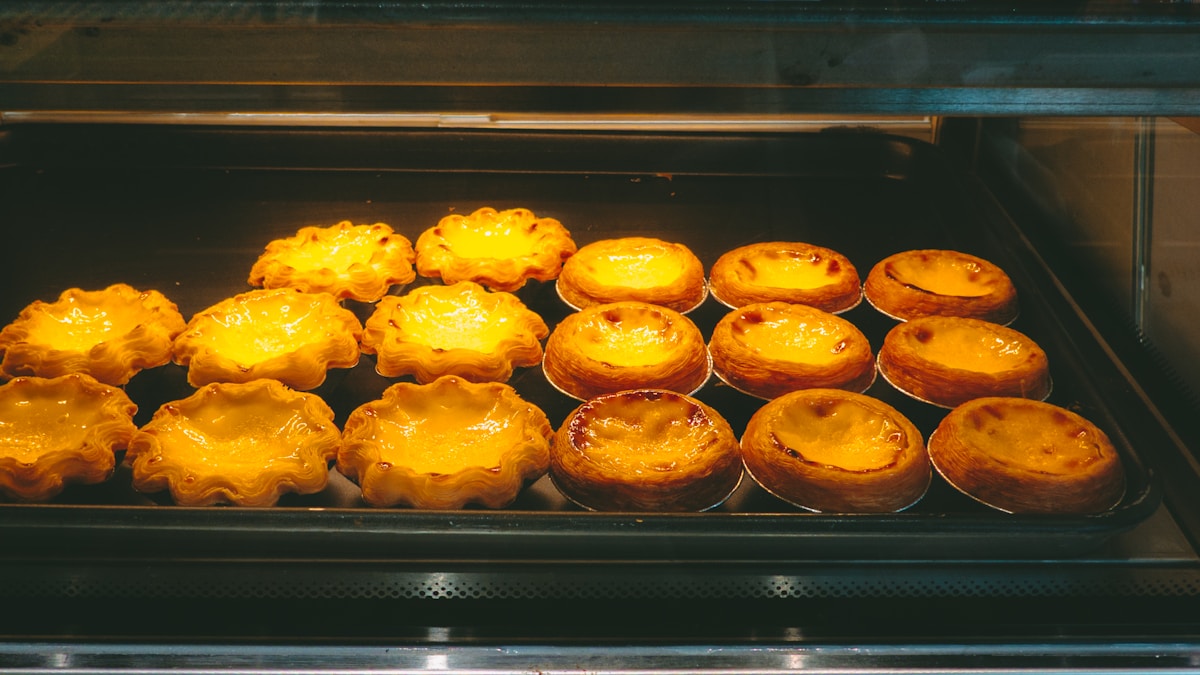
Pastéis de Nata
The custard tart is Portugal’s most famous export and Lisbon has two reliable options:
Pastéis de Belém (Rua de Belém 84) has been baking natas to the same recipe since 1837. The original. There is almost always a queue, but it moves quickly. Sit inside if you can — the tiled dining rooms are worth seeing. Around €1.50 each.
Manteigaria in Chiado (Rua do Loreto 2) has a slightly shorter queue, an open kitchen where you can watch the tarts being made, and tarts that are at least as good. Around €1.40 each. Better for visitors staying in the centre who don’t want to make the Belém trip just for a tart.
Bifana and Sandwiches
The bifana is cheap, fast, and very good when made properly. Cervejaria Trindade in Chiado does a reliable version in a good old-fashioned setting. Solar dos Presuntos (Rato area) serves a more elevated version as part of a full meal. Most tascas and snack bars sell them for €2–4.
Seafood
Ramiro (Avenida Almirante Reis, near Intendente) is the most famous marisqueira in Lisbon. The clams, prawns, and percebes (barnacles) are excellent. Plan to spend €30–45 per person including drinks. Reservations are strongly advised — walk-in queues at weekends can be 45 minutes or more. They don’t take reservations by phone; book through their website.
Tasca do Chico in Alfama is small — around 20 covers — and doubles as a fado venue. The food is traditional and the atmosphere is as close to a neighbourhood tasca as you’ll find in a tourist-heavy area. Book well ahead.
Bacalhau
Salt cod (bacalhau) is Portugal’s national ingredient — there are said to be 365 ways to prepare it, one for each day of the year. Two good places for different contexts:
A Cevicheria (Príncipe Real) does a modern Portuguese interpretation that includes bacalhau alongside Peruvian-inflected dishes. Busy, hip, no reservations — arrive early or expect to wait.
Taberna da Rua das Flores (Chiado) is more traditional. Small plates, rotating menu, genuinely good wine list. One of the better tascas in the central area.
Wine Bars
By The Wine (Rua das Flores 41) stocks around 250 Portuguese wines available by the glass. The focus is entirely on Portuguese producers, which is a good crash course in regions you may not know. Wines by the glass from €3.50.
Wine Bar do Castelo (above Alfama) has a narrow terrace and good views. Less extensive selection than By The Wine but a better location for an early evening drink before exploring Alfama.
Markets
Mercado da Ribeira / Time Out Market (Cais do Sodré) runs daily from 10am to midnight. The food hall section has stalls from established Lisbon restaurants — a practical way to eat well across a range of dishes without committing to one restaurant. Expect to spend €10–20 per person per meal.
Mercado de Alvalade is a local neighbourhood market with less tourist footfall. Better for produce and local products than for prepared food, but gives a more accurate picture of where Lissonenses actually shop.
To go beyond self-guided eating, tours in Lisbon include food-focused walking tours that visit local markets, tasca restaurants, and artisan producers.
Keep data handy for Google Maps and restaurant research — an eSIM for Portugal works across Portugal from the moment you land.
Neighbourhood Eating Guide
- Mouraria — cheap tascas, local lunch spots, good for a €10 working lunch
- Alfama — more tourist-facing restaurants, but Tasca do Chico and a few others maintain quality
- Príncipe Real — best concentration of wine bars and modern Portuguese restaurants
- Intendente — slightly further out, authentic marisqueiras including Ramiro
- Belém — most restaurants are tourist-oriented; stick to Pastéis de Belém for food
Frequently Asked Questions
- What is a pastel de nata?
- A pastel de nata is a Portuguese custard tart — a short pastry shell filled with a slightly caramelised egg custard. They are eaten warm, often dusted with cinnamon and icing sugar.
- Is eating out in Lisbon expensive?
- By Western European standards, Lisbon is moderately priced. A tasca lunch with wine runs €12–18. Dinner at a mid-range restaurant is €25–40 per person. Seafood restaurants at the higher end cost more.
- What is bifana?
- A bifana is a pork sandwich — thin marinated pork fillet in a soft roll, often with mustard. It is Lisbon's most common street food and costs €2–4.
- Is tap water safe to drink in Lisbon?
- Yes, tap water is safe throughout Portugal. Restaurants will often bring bottled water by default — you can ask for tap water (água da torneira) at no charge.
Tickets & Attractions
Book Experiences in Advance
Pre-book popular attractions, tours, and experiences via Tiqets — instant confirmation and mobile tickets. Skip the queue on busy days.
Browse on Tiqets →Best price guaranteed — same price as booking direct. We earn a small commission at no extra cost to you.
Ready to explore?
Browse hundreds of tours and activities. Book securely with free cancellation on most options.
Browse on GetYourGuide →Best price guaranteed — same price as booking direct. We earn a small commission at no extra cost to you.