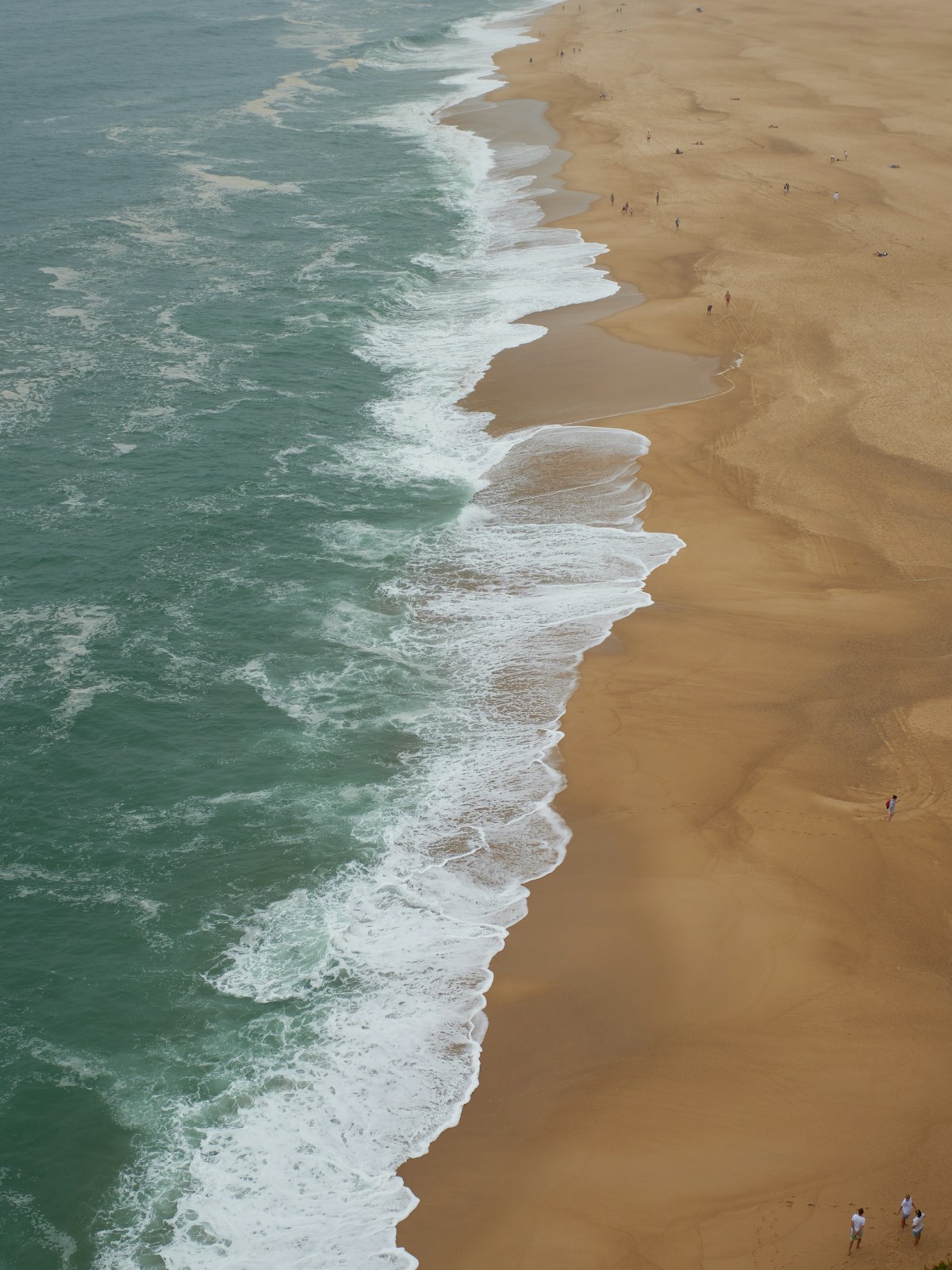
Nazaré’s food is built on the sea. The town has been a fishing community since at least the medieval period, and while the tourist industry has changed the waterfront restaurants, the underlying food culture remains genuine - you can still see octopus drying on wooden frames outside houses, watch the fishing boats return in the morning, and eat fish that was swimming the day before. It is one of the better places in Portugal to eat straightforward seafood without pretension.
Caldeirada de Peixe
The fish stew is Nazaré’s signature dish. The Nazaré version is made from whatever the day’s catch includes - typically a mix of robalo (sea bass), peixe-espada (scabbard fish), cherne (grouper), and smaller varieties - layered in a terracotta cataplana pot or a deep pan with potato slices, tomatoes, onions, garlic, olive oil, and white wine. It is slow-cooked until everything is just done and the broth is deeply savoury.
A good caldeirada should be slightly soupy, with the different fish textures distinguishable - not overcooked into a paste. Most restaurants serve it as a main for two, priced around €22–32 for the portion. It is the dish to order if you eat one thing in Nazaré.
Dried and Fresh Octopus
Polvo seco - dried octopus - is one of the visual signatures of Nazaré. The drying frames appear on the exterior walls of houses in the Praia neighbourhood, particularly on the streets just back from the beach. Once dried, the octopus is rehydrated and cooked, most often grilled over charcoal (polvo grelhado) or braised with olive oil and garlic. The texture of properly dried-then-rehydrated octopus is more concentrated than fresh - chewy with a deeper flavour.
Fresh polvo is also widely available. The standard preparation is polvo à lagareiro - boiled until tender, then finished in a hot oven with abundant olive oil, garlic, and potato. It is one of the better things to eat in Nazaré and appears on most restaurant menus.
Grilled Sardines
Sardinhas assadas - grilled sardines - are a summer dish from June to September, when the fish are at peak fat content. In Nazaré, the best sardines come from the local day boats and are grilled the same day. They should be served simply - a squeeze of lemon, coarse sea salt, and bread to soak up the cooking juices. Most restaurants offer them at around €8–12 for a portion of four to six fish.
Peixe-Espada (Scabbard Fish)
The Atlantic scabbard fish (peixe-espada preto) is a long, silver, eel-like deep-sea fish caught off the Silver Coast. In Nazaré it appears regularly on menus - typically pan-fried (frito) with a squeeze of lemon and served with rice or boiled potato. The flesh is delicate and flaky, mildly flavoured, and significantly cheaper than sea bass or grouper. A main course of peixe-espada costs €10–14.
To go beyond self-guided eating, tours in Nazaré include food-focused walking tours that visit local markets, tasca restaurants, and artisan producers.
Keep data handy for Google Maps and restaurant research - an eSIM for Portugal works across Portugal from the moment you land.
Where to Eat
The restaurants on the main promenade (Avenida da República) are tourist-facing and price accordingly. Walk one or two streets back into the Praia neighbourhood for better value.
Celeste (Rua Mouzinho de Albuquerque 58) is a long-running local restaurant that does caldeirada and açorda de marisco (seafood bread soup) well. The kind of place where the menu is short and the cooking is consistent. €20–40 per person.
Mar Bravo (Praça Sousa Oliveira 71, on the seafront promenade) is a seafood restaurant with open ocean views. Good for choco frito (fried cuttlefish) and grilled sardines in season. More tourist-facing than Celeste but the seafood quality is reliable. €25–45 per person. Reservations make sense in July and August.
A Tasquinha (Rua Adrião Batalha 54) is the smallest and most local-facing on this list - excellent caldeirada and percebes (barnacles) when in season. The room is plain and the pricing honest. €20–35 per person.
Taberna d’Adélia (inland from the beach) has the day’s fish written on a chalkboard and honest pricing. Mains €10–16. Close to how Nazarenos actually eat.
Take a Guided Food Tour of Nazaré
Nazaré’s food is built on the Atlantic fishing tradition — caldeirada made from the day’s mixed catch in terracotta, polvo from the drying frames outside the Praia neighbourhood houses, and sardinhas assadas from June to September when the fish are at peak fat content. A guided food tour in Nazaré visits the Mercado de Nazaré to see the bacalhau and local cheese stalls, identifies which restaurants one or two streets back from the promenade use fresh fish versus frozen, and explains the dried octopus tradition and how polvo seco differs from fresh polvo à lagareiro once it’s been rehydrated and cooked.
Browse food tours in Portugal on GetYourGuide.
For ingredients rather than a sit-down meal: Mercado de Nazaré (the indoor market) is where to buy bacalhau (salt cod), local cheese, and the dried figs for which the region is known. The surrounding stalls have the best prices in town on fresh fish.
Beach kiosks (Praia de Nazaré) - from June to September, grilled sardines (sardinhas assadas) are sold at beach kiosks along the main beach. The most informal version of the dish, eaten standing up with bread. Only available in summer, when the sardines are in season and the kiosks are operating. Nazaré is a natural stop on the one week in Portugal itinerary. For where to sleep, see best hotels in Nazaré and the Nazaré city guide.