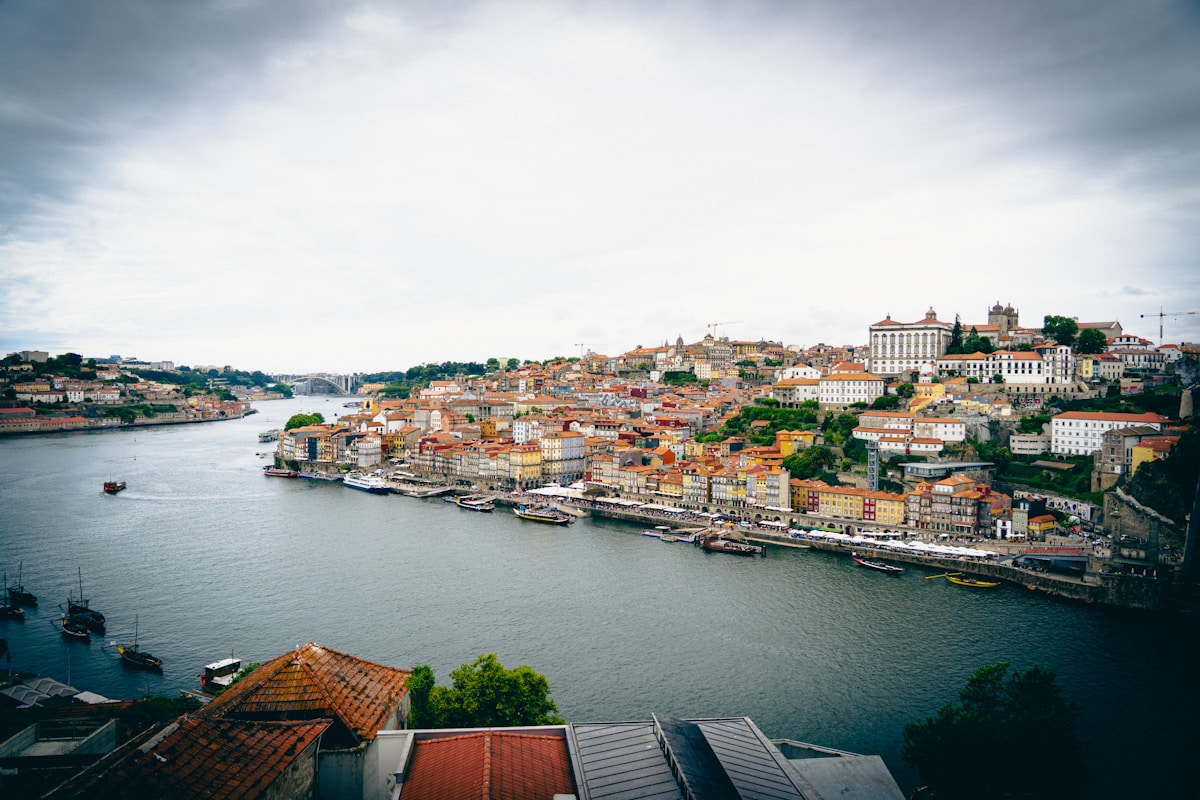
Porto and Barcelona are two of Europe’s most loved city destinations - and increasingly they are compared by travellers planning a European break. Both are second cities to powerful capitals, both have strong culinary identities, and both reward exploration on foot. But they differ enormously in scale, price, and character. Here is how to choose.
Quick Verdict
| Category | Porto | Barcelona |
|---|---|---|
| Value for money | Winner | - |
| Architecture (Gaudí) | - | Winner |
| Wine culture | Winner | - |
| City beaches | - | Winner |
| Crowd levels | Fewer | Much higher |
| Food variety | - | Winner |
| Port wine | Winner | - |
| Atmosphere | Winner | Good |
Choose Porto if you want a more intimate, affordable European city break with outstanding food, wine, and atmosphere. Choose Barcelona if Gaudí architecture, Mediterranean beaches, and big-city energy are what you are after.
Cost Comparison
Porto is consistently and significantly cheaper than Barcelona.
Porto: Mid-range hotels in the Ribeira, Bonfim, or Cedofeita neighbourhoods average €90–130/night. A restaurant main course - including a francesinha at a classic spot - runs €12–17. A port wine tasting at one of the Vila Nova de Gaia lodges (Taylor’s, Graham’s, Sandeman) costs €12–25 per person depending on the tier. A metro day pass costs €4.80. A fresh seafood meal for two with wine at a neighbourhood tasca comes to €35–50 total.
Barcelona: Hotels in the Gothic Quarter or Eixample average €160–240/night in shoulder season, rising steeply in summer. Dinner for two in a mid-range restaurant runs €60–90 including a bottle of wine. The Sagrada Família costs €26–36 per person (book weeks ahead or it will be sold out). An Uber across Barcelona averages €12–18 for longer cross-city journeys. The 10-trip metro card costs €12.15.
Winner: Porto, by a wide margin.
Architecture
Barcelona’s architecture is the most distinctive of any European city. Gaudí’s work - the Sagrada Família (still under construction since 1882, expect completion around 2026–2030), Park Güell (€10 for the monumental zone), La Pedrera (€25), and Casa Batlló (€35–45 for premium entry) - creates a cityscape unlike anywhere else on earth. The Gothic Quarter’s medieval street pattern is one of the best-preserved in Europe, and the Palau de la Música Catalana (€20 for a guided tour) is a UNESCO-listed Modernista concert hall of staggering beauty.
Porto is less architecturally dramatic in headline terms but has a distinctive visual identity built on azulejo tile façades, granite church fronts, and iron bridges. The interior of São Bento station - 20,000 blue-and-white tiles depicting scenes from Portuguese history - is free to enter and genuinely extraordinary. The Igreja de São Francisco in the Ribeira (€5) has one of Portugal’s most spectacular gilded Baroque interiors. The Serralves Museum of Contemporary Art (€10) is a fine 1990s building by Álvaro Siza Vieira set in an Art Deco estate.
Winner: Barcelona - it is simply one of the most architecturally remarkable cities in the world.
Food and Wine
Porto has one of Portugal’s strongest and most distinctive food traditions. The francesinha - bread, cured meats, fresh sausage, and steak, soaked in a spiced tomato-beer sauce, topped with melted cheese and a fried egg - is Porto’s signature dish and available across the city from €12–16; Café Santiago (Rua Passos Manuel 226) and A Esquina (Rua da Picaria) are the most respected. Tripas à moda do Porto (tripe stew, an acquired taste, from €10–14) gave Porto residents the nickname tripeiros. The city’s seafood - particularly at the Matosinhos fish market on the coast (20 minutes by metro) - is outstanding and inexpensive.
The wine culture is Porto’s strongest suit against any comparison. Vila Nova de Gaia, directly across the Douro via the Luís I bridge, houses the lodges of every major port wine producer. Taylor’s Fladgate (cellar tour and tasting from €15), Graham’s (from €12), and Sandeman (from €12, more theatrical) all offer excellent visits with sweeping views of the city. A bottle of 20-year-old tawny port from a lodge shop costs €20–35 - exceptional value for the quality.
Barcelona’s food scene is broader and has more international recognition. The Boqueria market (arrive before 10am to beat the tour groups) has magnificent produce. The El Born neighbourhood has the densest concentration of good restaurants - a tasting menu at a mid-range Catalan restaurant runs €45–65 per person. Top tables like Disfrutar (three Michelin stars, €280+ per person tasting menu) compete at a global level. The tapas culture - pintxos in the Basque-influenced bars of Eixample, patatas bravas everywhere - makes casual eating easy and social.
See our Porto restaurants guide for specific recommendations.
Winner: Barcelona for variety and global standing; Porto for wine and local culinary identity.
Beaches
Barcelona wins this category entirely on convenience. Barceloneta beach, Sant Sebastià, and the chain of Poblenou beaches are all reachable by metro in 15–20 minutes from the city centre. The Mediterranean water is warm (24–26°C in summer) and calm. Facilities are good; the beaches are staffed and cleaned daily.
Porto’s beaches are a short metro or train ride away - Matosinhos (20 minutes by metro, line A from Trindade) has a sandy beach beside a working fishing harbour and an excellent row of seafood restaurants. Leça da Palmeira (30 minutes) is quieter. Foz do Douro at the river mouth is more atmospheric than swimmable. These are Atlantic beaches - cooler water (18–20°C in summer), stronger swell, and windier conditions. Surfers prefer them; young families generally don’t.
Winner: Barcelona for beach quality and convenience.
Nightlife
Barcelona’s nightlife runs on a different schedule from most European cities: dinner starts at 10pm, clubs warm up after 1am, and closing time at 6am is common in summer. The Eixample has a strong cocktail bar scene; the Born neighbourhood has live music venues. Clubs like Razzmatazz, Pacha, and CDLC operate until sunrise. Entry fees run €12–20; drinks €12–16 each.
Porto’s nightlife has grown substantially in recent years and now has a genuine late-night scene. The Cedofeita neighbourhood has craft beer bars and independent music venues. The Bonfim area has attracted younger creative businesses and bars. Traditional taberna-style wine bars - Vinho Verde by the glass from €3–5 - are more Porto’s natural register. Things wind down earlier than in Barcelona, and the scale is smaller, but the atmosphere is often more authentic.
Winner: Barcelona for late-night scale; Porto for laid-back bar culture.
Getting Around
Porto’s centre is compact - the Ribeira, São Bento, Clérigos, and Livraria Lello are all within walking distance of each other (accepting the steep hills). The metro is clean and efficient, with the key tourist line (line D) crossing the Luís I bridge. Uber and Bolt are cheap and reliable.
Barcelona’s Eixample grid makes it logically navigable but the city is large. The metro is extensive and well-marked. Las Ramblas runs north-south as an easy reference axis. E-scooters (Lime, Bird, Voi) are widely available. Cycling is practical in the flatter areas.
Winner: Porto for compact walkability; Barcelona for metro coverage.
When to Visit
Both cities are excellent year-round but have different peak patterns.
Porto: September and October are outstanding - warm, post-peak crowds, and the grape harvest season in the Douro Valley makes day trips especially rewarding. Porto’s summer is cooler and less sweltering than Barcelona’s. The São João festival on 23 June is Porto’s biggest night of the year - enormous street party with fireworks and the tradition of hitting strangers on the head with plastic hammers.
Barcelona: Best avoided in July and August if you are bothered by crowds, heat (35–38°C inland), and elevated prices. May–June and September–October are the sweet spots. The Gràcia neighbourhood’s Festa Major in mid-August is a genuine local festival worth attending if you are there.
See our best time to visit Portugal guide for Porto-specific seasonal advice.
If you’re heading to porto, tours in Porto covers guided experiences and day trips. For barcelona.md, tours across Portugal has the same.
car hire in Portugal is the most practical way to combine both destinations without relying on bus timetables.
Final Verdict
Porto and Barcelona are not really competing for the same traveller. Barcelona is a world-class major city that deserves its reputation for architecture, food, and energy. Porto is a smaller, cheaper, more intimate city with a strong personality and one of Europe’s best wine cultures.
If you are choosing a city break purely on value, atmosphere, and authenticity, Porto wins convincingly. If you want major-city scale, Gaudí’s architecture, and Mediterranean beaches, Barcelona is the choice. Both are outstanding, and both reward more than one visit.
More Portugal Comparisons
- Lisbon vs Barcelona — the Portuguese capital in the same comparison
- Porto vs Madrid — Porto against the other great Iberian capital
- Lisbon vs Porto — Portugal’s two great cities compared
- Portugal vs Spain — the full cross-border comparison
Plan Your Trip
🏨 Search hotels in Porto on Booking.com
✈️ Book your flights to Portugal 🛡️ Get travel insurance 📱 Stay connected with an eSIM 🚗 Rent a car