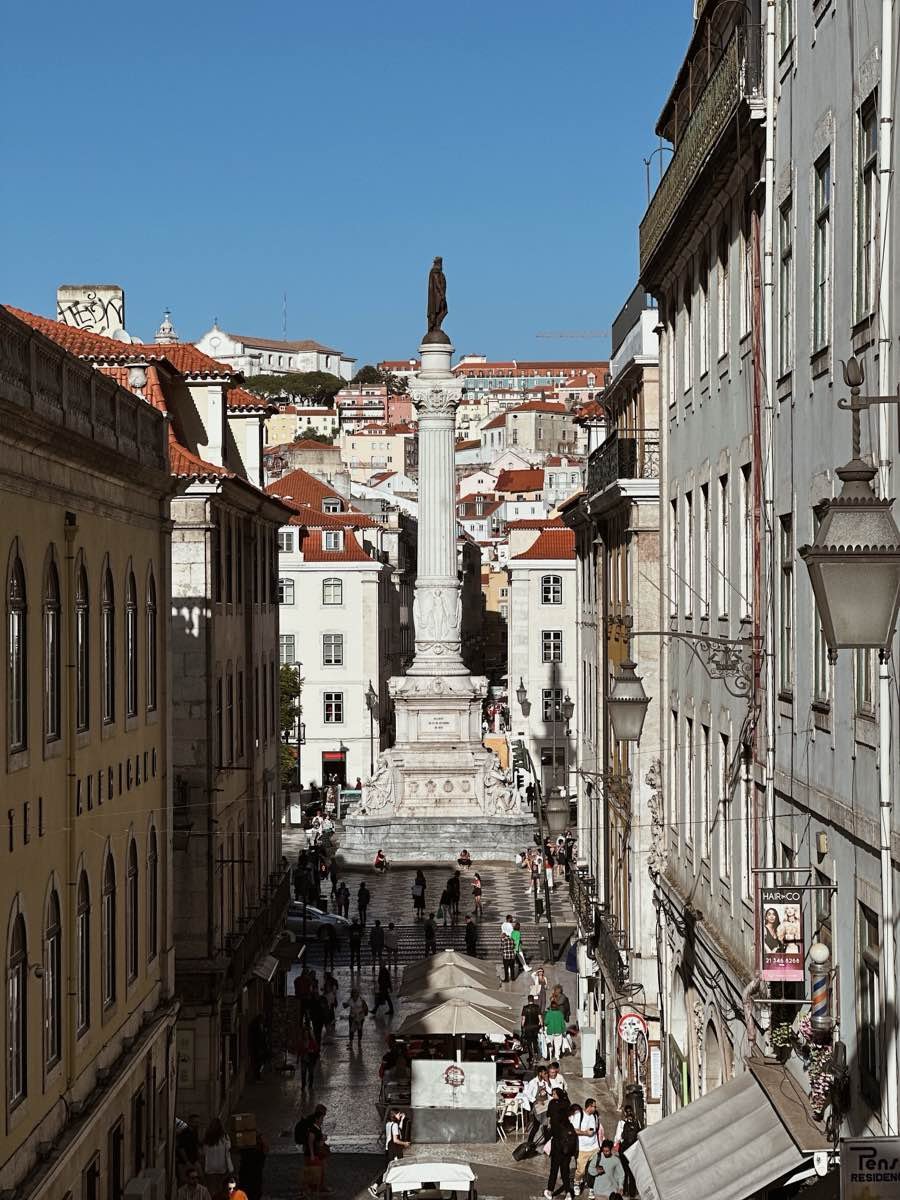
Portugal is one of the easiest countries in Europe for LGBTQ+ travellers. Equal marriage has been law since 2010, the constitution has prohibited discrimination on grounds of sexual orientation since 2004, and Lisbon has a visible, relaxed scene that sits comfortably inside the city’s everyday life rather than apart from it. This guide covers the legal picture, where to base yourself, Pride, and how the experience changes once you leave the cities.
Legal Rights and What They Mean for Visitors
Homosexuality was decriminalised in 1982. Since then Portugal has legalised same-sex marriage (2010), joint adoption by same-sex couples (2016) and legal gender change by self-determination (2018). Anti-discrimination protections cover employment, and hotels and restaurants cannot lawfully refuse service on these grounds.
For a visitor, this translates into low friction. Double rooms are given to same-sex couples without comment, and nobody asks about your relationship at check-in. If something does go wrong, the national emergency number is 112, and the victim-support association APAV runs a free helpline on 116 006. Our Portugal safety guide covers pickpocketing, beach flags and other general risks.
Lisbon: The Main Base
Lisbon is where most LGBTQ+ visitors start. Príncipe Real is the best-known neighbourhood: a hilltop district of antique shops, garden cafes and bars around Rua da Rosa and Rua Dom Pedro V. It is stylish and mixed rather than exclusively gay, and it is where we would book a first stay. Our Príncipe Real guide has the walking route, the weekend market and where to eat.
Nightlife spreads across three areas:
- Príncipe Real and Rua da Imprensa Nacional: the most established LGBTQ+ venues, including the long-running club Trumps, plus cocktail bars that fill from about 10pm.
- Bairro Alto: a grid of tiny bars where the crowd spills into the streets. Mixed, loud and open to everyone; the best choice for a first night out.
- Cais do Sodré: the old sailors’ quarter, now full of bars along Rua Nova do Carvalho, known as Pink Street. Busy until the early hours, particularly Thursday to Saturday.
Clubs rarely get going before midnight, and many stay open until 6am. Read our Lisbon getting around guide before a night out: the metro closes around 1am, and the hills make a taxi or rideshare the sensible way back. If you want company on your first day, a guided walking tour of Lisbon is an easy way to get your bearings.
Pride and Events
Lisbon Pride (Marcha do Orgulho LGBTI+) is held in June, usually on a Saturday in the second half of the month. The march runs through central Lisbon and ends with a festival and concerts at Praça do Município by the river. Dates are announced by the organisers each year and are not fixed, so confirm before you book. Rooms near the centre fill early because June is also the Santos Populares festival season.
Porto holds its own Pride march, usually in the warmer months. The Queer Lisboa film festival (usually held in early autumn) is the main cultural event for LGBTQ+ visitors outside the summer.
Porto, the Algarve and Beyond
Porto has a smaller scene than Lisbon, concentrated in the centre around Rua Cândido dos Reis and the nightlife streets near Galerias de Paris. The city is relaxed and compact, and same-sex couples are comfortable in the Ribeira and Baixa areas. See our Porto guides for where to stay and what to see.
The Algarve is the main summer destination for LGBTQ+ beach holidays. Albufeira, Lagos and Faro all have friendly bars and mixed crowds, and resort hotels are used to couples of every kind. Near Lisbon, the long beaches of Costa da Caparica, including Praia 19, have a long-standing LGBTQ+ and naturist following in summer.
Inland Portugal, the Alentejo plains and the smaller northern villages are more traditional. Most visitors report warm hospitality, but you may notice less visible LGBTQ+ life and more reserved attitudes among older residents. If you are in doubt, choose a small guesthouse with positive reviews from other LGBTQ+ guests rather than relying on location alone.
Practical Tips
- Hotels: Search Booking.com for your area and filter for reviews that mention the neighbourhood. Hotels in Príncipe Real are a good starting point for a first Lisbon stay, and the reviews tell you more than any list we could write.
- Community support: ILGA Portugal is the country’s main LGBTQ+ rights organisation and lists events and services. Casa Qui, in Lisbon, is a community centre that welcomes visitors.
- Dating apps: Grindr, Tinder and Hornet all work normally and have active Lisbon user bases. Standard safety rules apply: meet in public first and tell a friend where you are.
- Travel insurance: Check that a policy covers you for medical care, and read how it treats pre-existing conditions. Our travel insurance guide explains what to compare, and you can get an insurance quote before you travel.
- Entry rules: Passport and visa rules do not depend on orientation or gender identity. Make sure the name and gender marker on your ticket match your passport.
Our Verdict
Portugal is a very good choice for LGBTQ+ travellers, and Lisbon in particular combines a comfortable social scene with the sights that make the city worth visiting anyway. The practical advice is simple: base yourself in Príncipe Real or the Baixa, use taxis late at night, plan around Pride dates if you want to attend, and be a little more reserved in small inland villages, as you would in most of Europe.