Portugal is a rewarding country for travellers with reduced mobility, but it demands planning. The main obstacle is the terrain: Lisbon and Porto are built on steep hills, and many old pavements are laid in calçada portuguesa, the small white and black limestone cobbles that become slippery when wet. Modern infrastructure (metro, newer trains, airports) is generally good, and a growing number of beaches and attractions offer step-free access. This guide covers what works and what to avoid.
Lisbon: Flat Areas and Hills
Lisbon divides into flat and steep districts, and the choice of base matters more than any other decision.
- Easiest: Baixa (the grid between Rossio and the river), the riverfront between Cais do Sodré and Belém, and Parque das Nações, which was built for Expo 98 and is almost entirely level and modern.
- Difficult: Alfama, Graça, Mouraria, Bairro Alto and Príncipe Real, where pavements are narrow, steep and cobbled. A manual wheelchair user will struggle, and a powered chair or mobility scooter will cope only on some streets.
Taxis and rideshare (Uber, Bolt) are the practical way to connect flat areas with the hills. Pre-booked vehicles that carry a wheelchair are limited, so book a private airport or city transfer in advance if you travel with a chair. Our Lisbon getting around guide covers the trams, funiculars and metro in more detail.
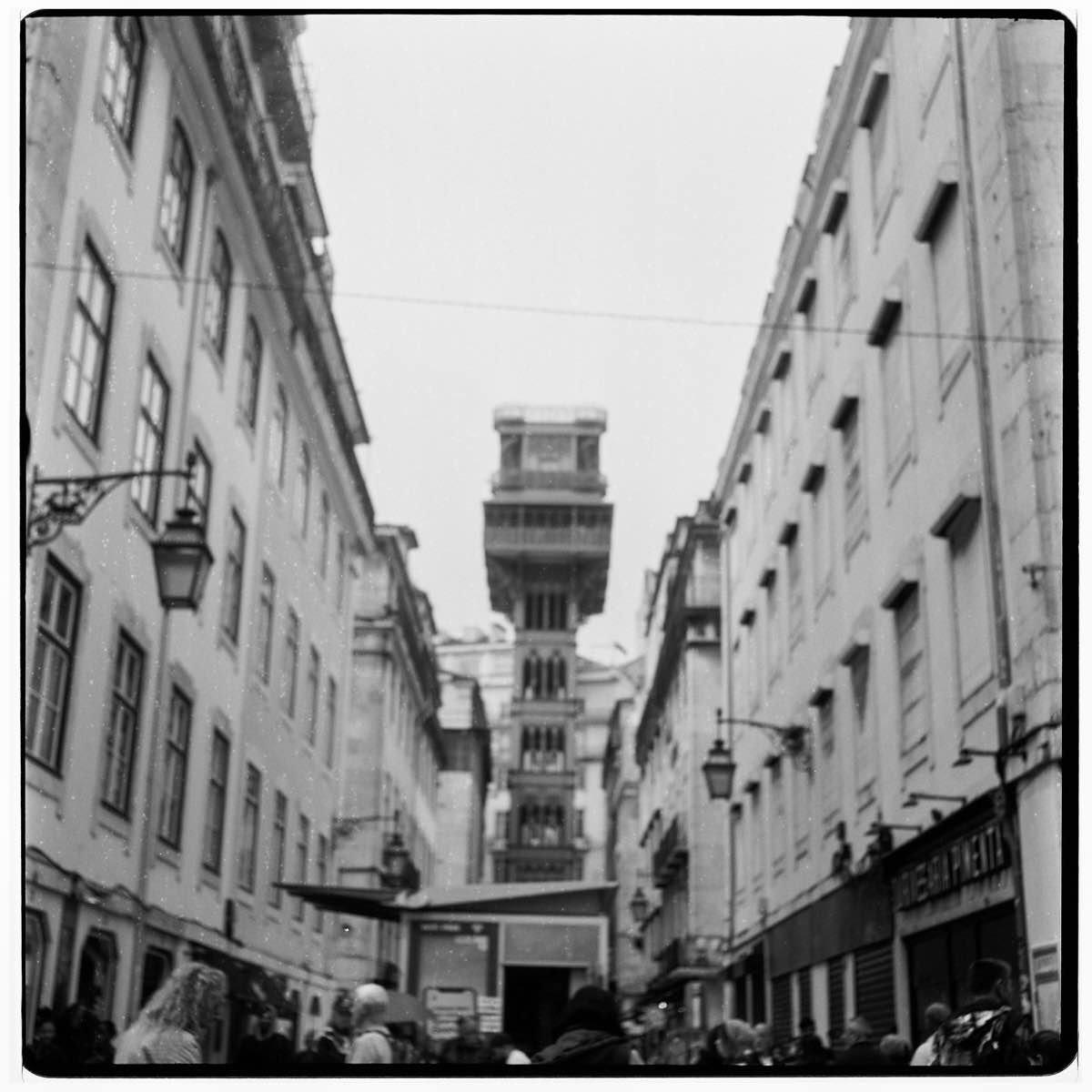
Trams and lifts. The famous Tram 28 is a vintage vehicle with steps, narrow doors and crowds, and is not suitable for wheelchair users. Some modern low-floor trams on route 15E to Belém are easier. The Santa Justa Lift connects the Baixa to Largo do Carmo; the lift cabins are step-free, but the viewing platform above is reached by a spiral staircase, so check before you pay. The old funiculars (Glória, Bica, Lavra) are historic vehicles with step access.
Getting Around Portugal
Metro. Lisbon’s metro is the most accessible way to travel in the city, with lifts at most stations and space for wheelchairs on trains. Some older stations lack full access, and lifts occasionally fail, so check the accessibility map on Metro de Lisboa before each journey. Porto’s metro is newer and largely step-free.
Buses. Carris buses in Lisbon are low-floor with ramps, and most Porto buses follow the same standard.
Trains. CP’s Alfa Pendular and Intercidades services have wheelchair spaces, and CP offers an assistance service. Request help in advance on cp.pt rather than at the station, since staff must arrange ramps in advance. Regional and suburban trains vary in platform height, and older units may need a ramp. Our guide to trains in Portugal explains the services.
Flying. Lisbon, Porto and Faro airports all offer free assistance for passengers with reduced mobility. Tell your airline at least 48 hours before departure. Our Lisbon airport guide explains the layout and transfer options.
Driving. The EU parking card for disabled people (blue badge) is valid in Portugal. Parking in the historic centres is limited, and a rental car makes more sense for the Alentejo, the Douro or the Algarve than for Lisbon.
Sights: What Works and What Doesn’t
- Belém: The riverside is flat and easy. The Jerónimos Monastery cloister is accessible with a ramp, while the interior of Belém Tower has steep spiral stairs and is not accessible beyond the ground level.
- Oceanário de Lisboa: Fully step-free, with lifts between levels. A good indoor choice on a wet day.
- Castelo de São Jorge: Hilly, with steep ramps and uneven stones. Manageable with a companion, but check the current access routes with the ticket office.
- Sintra: Hard going. The old town and Pena Palace involve steep slopes. A shuttle runs to the palace entrance, but several rooms and terraces involve stairs. Consider a private, adapted tour instead of public transport.
- Porto: The Ribeira is level along the river, but the climb to the upper city is steep. The lower deck of the Dom Luís I bridge is flat; the metro and the Funicular dos Guindais help with the elevation.
- Algarve: Marinas and promenades, such as those at Lagos, Tavira and Vilamoura, are flat and paved. Cliff paths are not.
Beaches
Portugal runs the Praia Acessível programme, which equips designated beaches with accessible parking, boardwalks to the water, adapted WCs and, in the bathing season, amphibious chairs with trained staff. Beaches on the Algarve coast and near Lisbon, such as in Cascais, take part. The list changes each year, so confirm your chosen beach with the local council before you travel.
Where to Stay
Choose a hotel with a lift, a step-free entrance and, where possible, a roll-in shower, and confirm each of these directly with the property, because listings are not always accurate. Look for places in the Baixa or Parque das Nações. Compare options and filter for accessibility features among Lisbon hotels on Booking.com, and read recent reviews from other guests who use wheelchairs.
Planning Checklist
- Book airport assistance through your airline at least 48 hours ahead.
- Choose a flat base (Baixa or Parque das Nações) and use taxis for hilly districts.
- Check metro lift status and CP assistance before each journey.
- Wear shoes with good grip, or use a chair with larger wheels, for cobbles.
- Ask attractions about current access before you buy tickets; works and restorations change routes.
- Arrange travel insurance that covers medical care and your equipment; see our Portugal travel insurance guide for what to compare.
If you want to see the city without managing the slopes yourself, an adapted Lisbon tour with a private driver covers the main viewpoints in half a day. For official information on accessible tourism, see Visit Portugal.