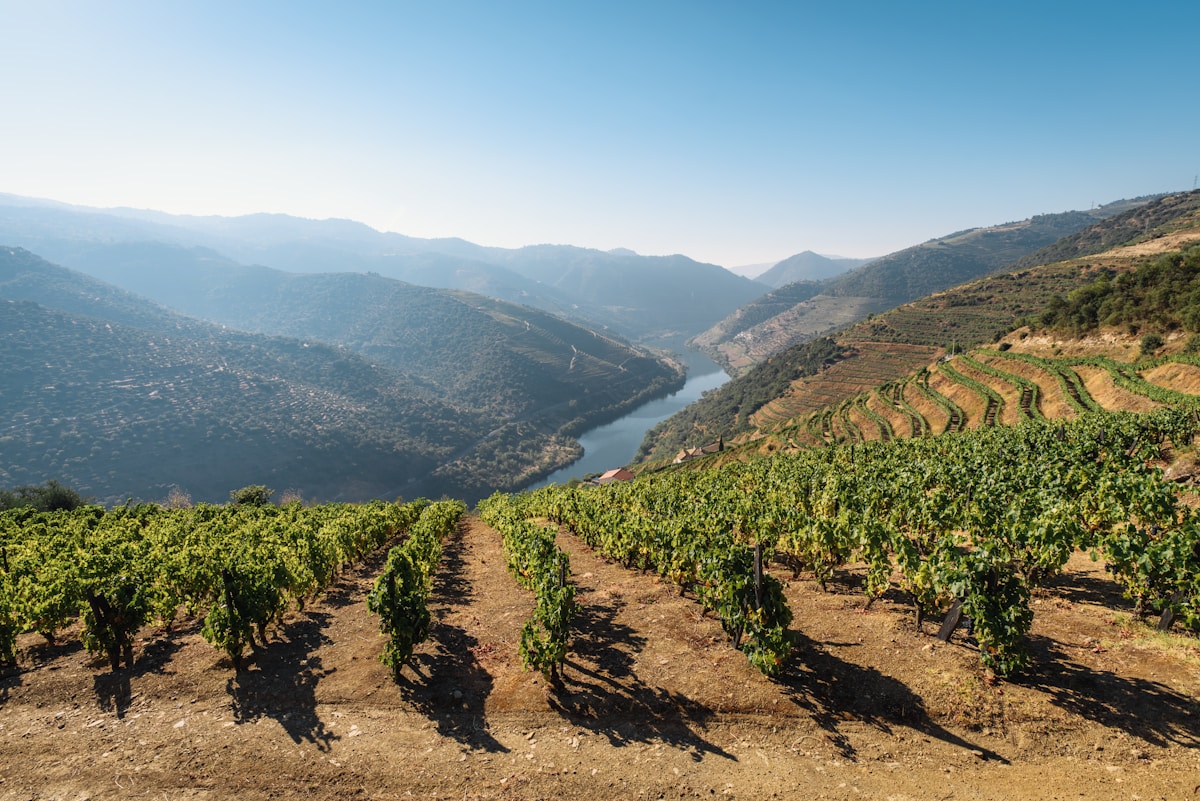
Multiple large wildfires broke out across central Portugal on 3 July 2026, driven by extreme heat, drought-dried vegetation and strong easterly winds. The Portuguese government declared a state of alert from midnight Thursday through to 23:59 on Monday 7 July, mobilising more than 15,000 firefighting personnel, around 3,400 ground vehicles and roughly 80 aircraft. A second, broader state of alert was declared on 9 July as a new wave of extreme heat brought maximum wildfire risk across almost all interior regions of mainland Portugal.
The Early July Fires: 3–7 July
The most serious fires were concentrated in three municipalities in the Aveiro and Viseu districts:
- Vouzela (Aveiro district) - the largest blaze, with five active fronts. Over 7,000 hectares burned in the municipality alone.
- Águeda (Aveiro district) - a separate fire reached the city limits by Friday morning.
- Cinfães (Viseu district) - a third fire near the Caramulo mountain ridge, with precautionary evacuations from hamlets in the Tondela area.
By Friday morning, authorities confirmed no settlements remained cut off, though conditions remained dynamic and the state of alert was maintained until it expired on 7 July. Portugal activated the EU Civil Protection Mechanism to bring in additional aerial resources, and Euronews reported that cooperation with Spain and France was also underway.
Transport Disruptions
The Vouga rail line was suspended between Águeda and Sernada do Vouga due to fire proximity to the tracks. Travellers using this regional service should check CP (Comboios de Portugal) for updates before travel. Some local roads in the Vouzela area were also closed.
The AgitÁgueda festival - an annual street art event held each July - cancelled its evening “Silent Party” event as a precaution.
The Second State of Alert: 9 July
Portugal’s Interior Minister declared a second, wider state of alert on 9 July 2026, describing the country as “a powder keg” as a new heat wave, drought, and strong winds created maximum wildfire risk across almost all inland regions simultaneously.
The Portuguese Meteorological Authority (IPMA) placed the entire interior north and central regions at maximum rural fire danger - the highest level. Gusts of 70–80 km/h were forecast for elevated terrain. This second declaration covered a significantly wider area than the initial alert.
Highest-risk districts under the 9 July declaration:
- Castelo Branco, Guarda, Viseu, Vila Real (north and centre)
- Portalegre and Évora (Alentejo interior)
- Parts of Faro district (northern Algarve interior, not the coast)
- Leiria district inland areas
What Remained Safe
Coastal destinations were not directly disrupted throughout both alert periods. Travellers heading to Lisbon, Porto, the Algarve coast, and the islands of Madeira and the Azores were not in affected zones. Beach holidays along the Costa Vicentina and Algarve resorts proceeded normally.
Practical Advice for Travellers
If your itinerary includes the Aveiro–Viseu interior, the Caramulo mountains, or hiking trails in the affected districts:
- Avoid all interior forests and rural areas in affected districts when the fire-risk index is at maximum - access may be legally prohibited on those days
- Do not light fires, barbecues, or smoke in any rural or forest area during declared alert periods - this carries significant fines
- Monitor the IPMA forecast and fire-risk map daily - it shows which areas are at maximum danger by region
- Use MapaFogos for a real-time fire tracking map updated continuously
- If travelling by car through affected interior regions, keep windows closed and plan for potential road closures
- Travel insurance policies typically cover disruption caused by declared national emergencies - check your policy or get covered before you travel
Portugal’s Wildfire Season: Context
Portugal’s wildfire season runs roughly from April to October, with July and August carrying the highest risk. The interior north and centre - where pine and eucalyptus monoculture dominates - is structurally more vulnerable than the coast. The 2017 fires (which killed 66 people in Pedrógão Grande) permanently shaped Portugal’s emergency response system, and the 2026 alerts reflected a more co-ordinated pre-positioning of resources than in past years.
For practical travel preparation including transport options and insurance, see our guide to getting around Portugal and Portugal travel insurance.