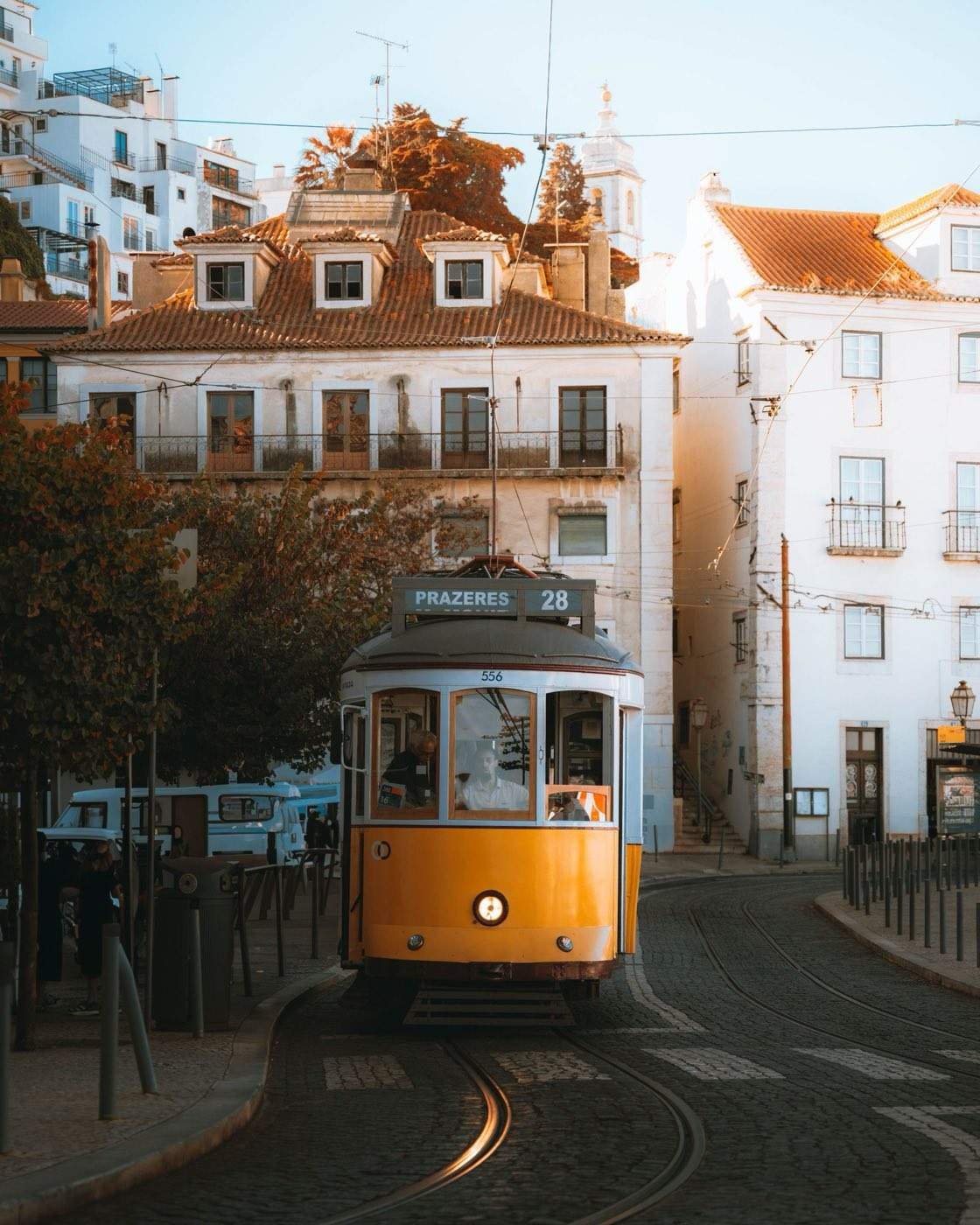
Two days in Lisbon is the length where the city starts to feel like more than a checklist. You can see the old quarters on day one, dedicate day two to Belém and the riverfront, and still have two evenings for fado or a terrace dinner. If you have only one day, follow our one day in Lisbon walking route; with three, our 3 days in Lisbon itinerary adds Sintra and slower neighbourhoods.
This plan assumes a hotel in Baixa, Chiado or Alfama so that most of day one is walkable. Prices are approximate and correct as of 2026. Confirm opening hours on the official sites before you go.
Before You Go
- Airport: The metro red line reaches the centre in about 25 minutes; see our Lisbon airport transfer guide for taxis and ride options, or pre-book a transfer.
- Where to stay: Compare the neighbourhoods in our Lisbon hotels guide and compare Lisbon stays for your dates. Alfama is atmospheric but steep; Baixa is flat and central.
- Transport: A 24-hour pass for metro, bus, tram and funiculars costs about €7 as of 2026. Check whether the Lisboa Card pays off in our Lisboa Card review.
- Footwear: The hills and polished cobbles are slippery. Flat soles matter more than anything else you pack.
Day 1 - Old Lisbon: Alfama, Baixa and Chiado
Morning. Begin in Alfama early, before the tram queues build. Walk up to the Miradouro das Portas do Sol for the view over red roofs and the Tagus, then continue to São Jorge Castle (about €15 for adults as of 2026; book online to skip the line). Wander down through the lanes past the Sé de Lisboa, the city’s cathedral. Our Alfama guide lists the lanes worth taking.
Lunch. Drop into Baixa, the grid laid out after the 1755 earthquake. Walk Rua Augusta to the Arco da Rua Augusta and Praça do Comércio. For lunch, avoid the tables on the main street and head a block or two back; our Lisbon restaurants guide has picks, and a food tour is a good option if you want context.
Afternoon. Climb the Santa Justa Lift area for the view, then walk into Chiado, Lisbon’s bookshops and café quarter. Stop at Livraria Bertrand, the oldest operating bookshop in the world according to Guinness, and the ruins of the Carmo Convent. Read about the area in our Chiado guide.
Evening. Climb into Bairro Alto for dinner and drinks, or book a fado house in Alfama. If you want to try fado, read our fado music guide first, because the quality and price vary widely.
For a guided option, book a Lisbon walking tour for the morning.
Day 2 - Belém, LX Factory and the Riverfront
Morning. Take tram 15E or a suburban train from Cais do Sodré to Belém (about 15 minutes). Arrive early. Visit the Jerónimos Monastery (about €12; closed Mondays), a masterpiece of Manueline architecture and the tomb of Vasco da Gama, then walk to the Belém Tower. Our Jerónimos tickets guide and Belém Tower tickets guide explain timed entry and combined options. Pause at the original Pastéis de Belém bakery for a custard tart; the queue at the front is long, but the seated room behind it moves faster. See our Belém guide for more.
Midday. Walk along the river to the Padrão dos Descobrimentos, then continue along the waterfront to MAAT, the museum of art, architecture and technology, whose rippled roof is a popular viewpoint over the Tagus (the building is free to walk around; check exhibition tickets separately).
Afternoon. Take the tram or train to LX Factory, a former industrial complex converted into restaurants, shops and studios under the 25 de Abril bridge. Browse the shops, stop at the Ler Devagar bookshop, and have a coffee. Alternatively, spend the afternoon at the Oceanário in Parque das Nações; see our Oceanário tickets guide.
Evening. Finish with sunset at a miradouro: Miradouro de Santa Catarina and Miradouro da Senhora do Monte are the two we recommend. Then dine in Príncipe Real or the Mercado da Ribeira area. You can compare Lisbon stays by area if you are still booking.
Pacing the Two Days
Lisbon is a walking city, and the biggest mistake on a short trip is trying to tick off every viewpoint. Keep one fixed anchor per half-day (a castle, a monastery, a market) and let the rest be wandering. Start days early, break for a long lunch when the sun is highest, and plan the most famous sights for opposite ends of the day. If you are visiting in summer, do outdoor sights before 11:00 or after 17:00 and use the middle of the day for museums, a pastelaria or a river ferry. In winter the light fades by about 17:30, so move the miradouro sunset earlier and save Bairro Alto for later.
Eating Well in Two Days
Lisbon’s food is cheap by Western European standards if you eat where locals do. Breakfast is a galão and a pastel de nata at a neighbourhood pastelaria, usually under €3. The dish of the day (prato do dia) at lunch typically costs €9-14 and includes soup, a main and coffee at traditional restaurants. Try bacalhau in any of its preparations, grilled sardines in summer, and ginjinha, the cherry liqueur served in tiny cups near Rossio. For dinner, aim for 20:00 or later, since many kitchens open at 19:00 but only fill later. Our Lisbon restaurants guide goes further, and a pastéis de nata workshop is a fun rainy-day extra.
Sample Budget
For two people sharing a mid-range room, a realistic daily spend is €200-360 in total, as of 2026: about half on accommodation, a quarter on food and drink, and the rest on tickets and transport. You can lower this by skipping paid entries on one of the two days. The two biggest ticket costs are São Jorge Castle and Jerónimos Monastery, both of which we recommend booking online. Combined with a 24-hour transport pass on each day, that keeps paid sights to a manageable total. If you want to fill in with free viewpoints, gardens and churches, see our free things to do in Lisbon guide.
Swapping in Sintra
If you want Sintra, replace day two. Take the train from Rossio (about 40 minutes) and focus on one or two palaces; our Sintra day trip guide shows how, and Sintra tours take the logistics off your hands. Do not try to combine Sintra with Belém in one day: both involve queues. See Sintra without queues if you plan to go.
Rainy-Day Options
Lisbon has plenty of indoor options: the Museu Nacional do Azulejo, the Calouste Gulbenkian Museum and the Oceanário all work in rain. The Time Out Market in the Mercado da Ribeira is a covered lunch stop. Our free things to do in Lisbon page lists cheap options when the budget is tight.
Practical Notes
- Money: Cards work nearly everywhere; keep a few euros for pastelarias. See Portugal currency and money.
- Safety: Pickpockets target tram 28 and crowded viewpoints. Our Portugal safety guide covers it.
- Official information: Use Visit Lisboa for events and transport updates.
- Time of year: Spring and autumn give the best balance; read best time to visit Lisbon.
If two days leaves you wanting more, see how many days in Lisbon to decide on a third, and our Lisbon without queues guide for timing tips.