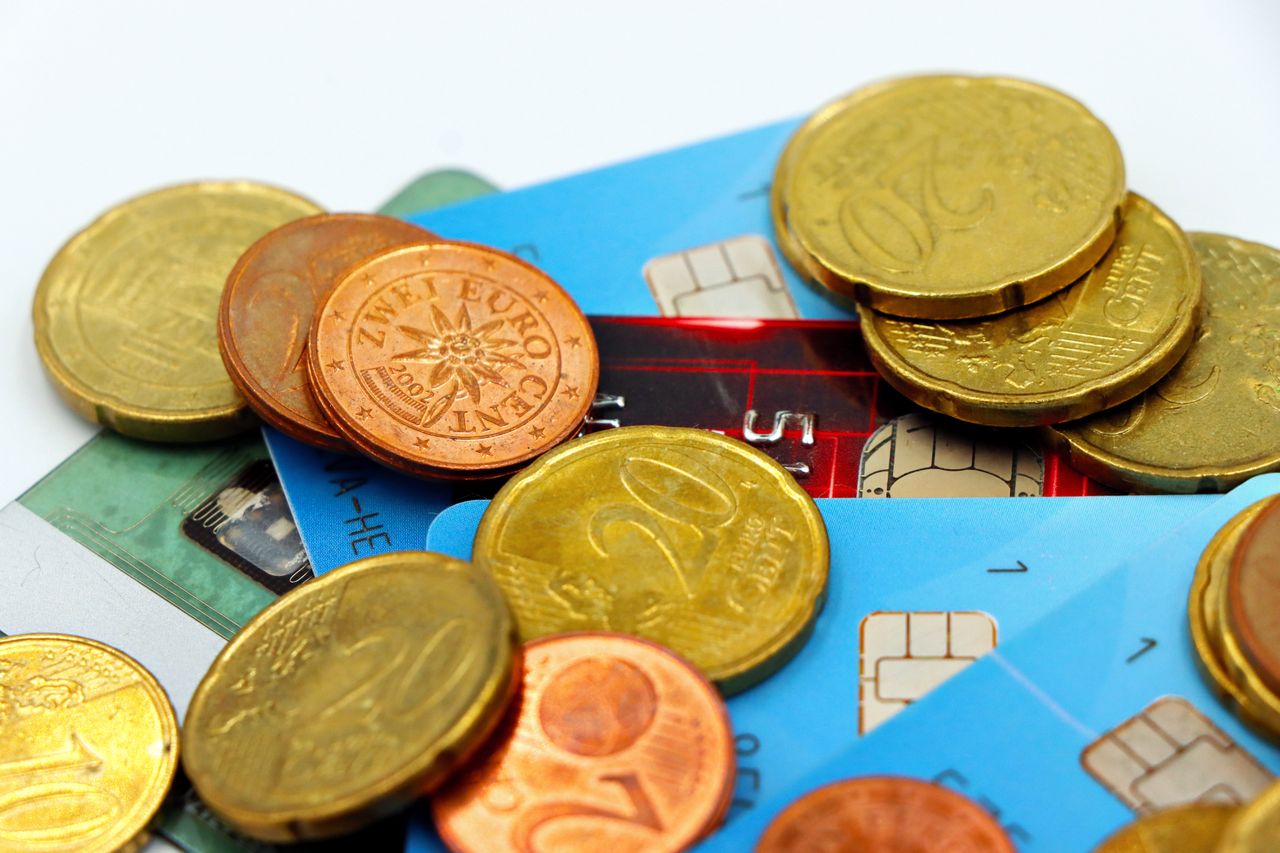
Portugal adopted the euro in 2002, and the currency experience here is uncomplicated. ATMs are everywhere, cards are widely accepted in cities, and exchange bureaux are easy to find if you need cash on arrival. What trips people up is the fine print: dynamic currency conversion at ATMs, fee-heavy airport exchange desks, and the occasional market stall that takes coins only. Here’s everything you need to know before you land.
The Euro: Denominations and What You’ll Actually Use
Portugal’s currency is the euro (€), subdivided into 100 cents.
Banknotes in circulation:
- €5, €10, €20, €50 - the everyday denominations
- €100 and €200 - useful for larger purchases; some smaller shops prefer to break them at a supermarket or bank first
- €500 - rarely seen; most merchants will decline them
Coins:
- €2 and €1 - the most useful for cafés, buses, and small purchases
- 50c, 20c, 10c - handy for pastéis de nata and espressos (a bica costs around 80 cents–€1)
- 5c, 2c, 1c - still in circulation but many shops round to the nearest 5 cents
Portuguese euro coins feature national designs on one side (Afonso Henriques for the €1 coin, the royal seal for others), though they spend identically to any other euro coins. Keep small change - parking meters, market stalls, and beachside kiosks use it constantly.
Best Places to Exchange Money
ATMs (Multibanco) - the best option for most visitors. Portugal’s nationwide Multibanco network has ATMs in every city, town, and most villages. They accept Visa, Mastercard, Maestro, and Cirrus, and dispense euros at the real interbank rate. Use a card with no foreign transaction fees (Wise, Revolut, Starling, or Charles Schwab in the US) and you’ll pay almost nothing to withdraw cash.
Avoid: airport exchange desks and hotel bureaux de change. Lisbon Airport has multiple exchange counters in the arrivals hall - they’re convenient but expensive. Expect rates 5–10% worse than the interbank rate plus a fixed commission of €3–€5. If you must have cash immediately, withdraw €50–€100 from the Multibanco ATM inside the arrivals terminal instead.
High-street exchange offices (Câmbios): In Lisbon’s Baixa district and Porto’s Rua de Santa Catarina, independent exchange offices offer competitive rates - better than airports but not as good as ATMs. They work best for exchanging leftover currency from a previous trip or for large amounts where you want to avoid a string of ATM withdrawal fees.
Banks: Caixa Geral de Depósitos, Millennium BCP, Santander, and BPI all have branches with exchange services. Rates are reasonable but hours are limited (typically 08:30–15:00 Monday–Friday). Not the most practical option for a tourist.
ATM Availability and Fees
Multibanco ATMs are the backbone of Portuguese banking - you’ll find them at airports, train stations, shopping centres, petrol stations, and standalone kiosks on most high streets. Even small villages with a population of a few hundred usually have at least one Multibanco.
Fees to watch for:
- Your home bank’s foreign withdrawal fee: typically €2–€5 per withdrawal. Minimise this by withdrawing larger amounts less frequently (€200 at a time rather than €50 four times).
- Dynamic Currency Conversion (DCC): some Multibanco ATMs will offer to convert the withdrawal to your home currency at the point of withdrawal. Always choose “proceed without conversion” or “charge in euros”. The DCC rate includes a significant markup - you lose 3–7% compared to letting your card’s network handle the conversion.
- ATM operator fees: Portugal’s ATMs generally do not charge their own fee to foreign cards, unlike in the UK or US where independent ATMs may add a surcharge. If you see a fee notice that seems unusually high, try a bank-branded Multibanco instead.
Recommended withdrawal cards for Portugal: Wise (multi-currency), Revolut (free tier: up to €200/month fee-free), Monzo (£200/30 days fee-free abroad), Starling Bank (unlimited fee-free ATM withdrawals in Europe), Charles Schwab (US residents: full refund on all ATM fees worldwide).
Card Acceptance
Cards are widely accepted across Portugal, with a few practical caveats.
Where cards work without issue:
- Supermarkets (Pingo Doce, Continente, Lidl, Aldi)
- Restaurants, cafés, and bars in Lisbon, Porto, the Algarve, and other tourist areas
- Hotels, hostels, and guesthouses
- Transport: CP train tickets, intercity buses, Rede Expressos, Lisbon Metro, Porto Metro
- Petrol stations
- Shopping centres and chain retail
Where cash is frequently needed or preferred:
- Small independent cafés and pastelarias, particularly outside the main cities
- Village markets and local feiras
- Some taxis (though the main apps - Bolt and Uber - are card-only)
- Beach kiosks and seasonal stalls
- Museum entry at smaller regional museums
- Street food vendors and festival stalls
- Tolls on some older road sections (though most toll roads now handle cards)
Contactless payment (Contactless/NFC) is standard at almost all modern card terminals - tap up to €50 without a PIN. Visa and Mastercard are universal. American Express is accepted at larger hotels and international chains but not reliably elsewhere. Diners Club and Discover have limited acceptance.
Cash vs Card: Our Recommendation
For city travellers (Lisbon, Porto, Cascais, Sintra): a card handles 90% of spending. Keep €30–€50 in cash for pastéis, coffee, market produce, and the odd taxi. Withdraw from a Multibanco on arrival and top up as needed.
For regional and rural travel (Alentejo, interior Minho, Serra da Estrela): increase your cash float to €80–€150. Village restaurants and accommodation often prefer it, and ATM access may require a drive to the nearest town.
For the Algarve in summer: cards are fine almost everywhere along the main coastal strip, but beach kiosks, local buses, and ferry crossings (such as the Portimão–Ferragudo boat) tend to be cash-only.
Madeira and the Azores: the same euro rules apply. ATMs are well-distributed in Funchal and Ponta Delgada; less so in rural parishes. Carry more cash when island-hopping within the Azores archipelago.
Tipping in Portugal
Tipping is appreciated but never expected. Portugal does not have a strong tipping culture compared to the US or UK. A few practical norms:
- Restaurants: 5–10% for good service at a sit-down meal. Rounding up a €28 bill to €30 is entirely normal. You can leave cash on the table or ask to add it when paying by card.
- Cafés and bars: leave the small change or round up to the nearest euro. No obligation to tip for a quick espresso at the counter.
- Taxis: rounding up to the nearest euro or two is standard. No percentage calculation expected.
- Hotels: €1–€2 per bag for a porter. Housekeeping tips are appreciated but not standard practice.
- Tour guides: €5–€10 per person for a half-day tour, €10–€20 for a full day or highly personalised experience.
For a full breakdown of tipping by venue with euro amounts, see our Portugal tipping guide.
Quick Reference
| Item | Detail |
|---|---|
| Currency | Euro (€) |
| Best way to get cash | Multibanco ATM with a fee-free card |
| Avoid | Airport exchange desks and DCC at ATMs |
| Card acceptance | Excellent in cities; carry cash in rural areas |
| Contactless limit | €50 per tap |
| Standard restaurant tip | 5–10%, never obligatory |
| Emergency cash | Banks open Mon–Fri 08:30–15:00 |
Portugal is one of Western Europe’s more cash-friendly countries - not because cards don’t work, but because the pastelaria culture, village markets, and local taxi drivers all function on a coin-and-note economy alongside the digital one. A card gets you far; a mix of both keeps you comfortable.
Planning the total spend? Our Portugal trip cost calculator turns these prices into a budget for your trip length and style.