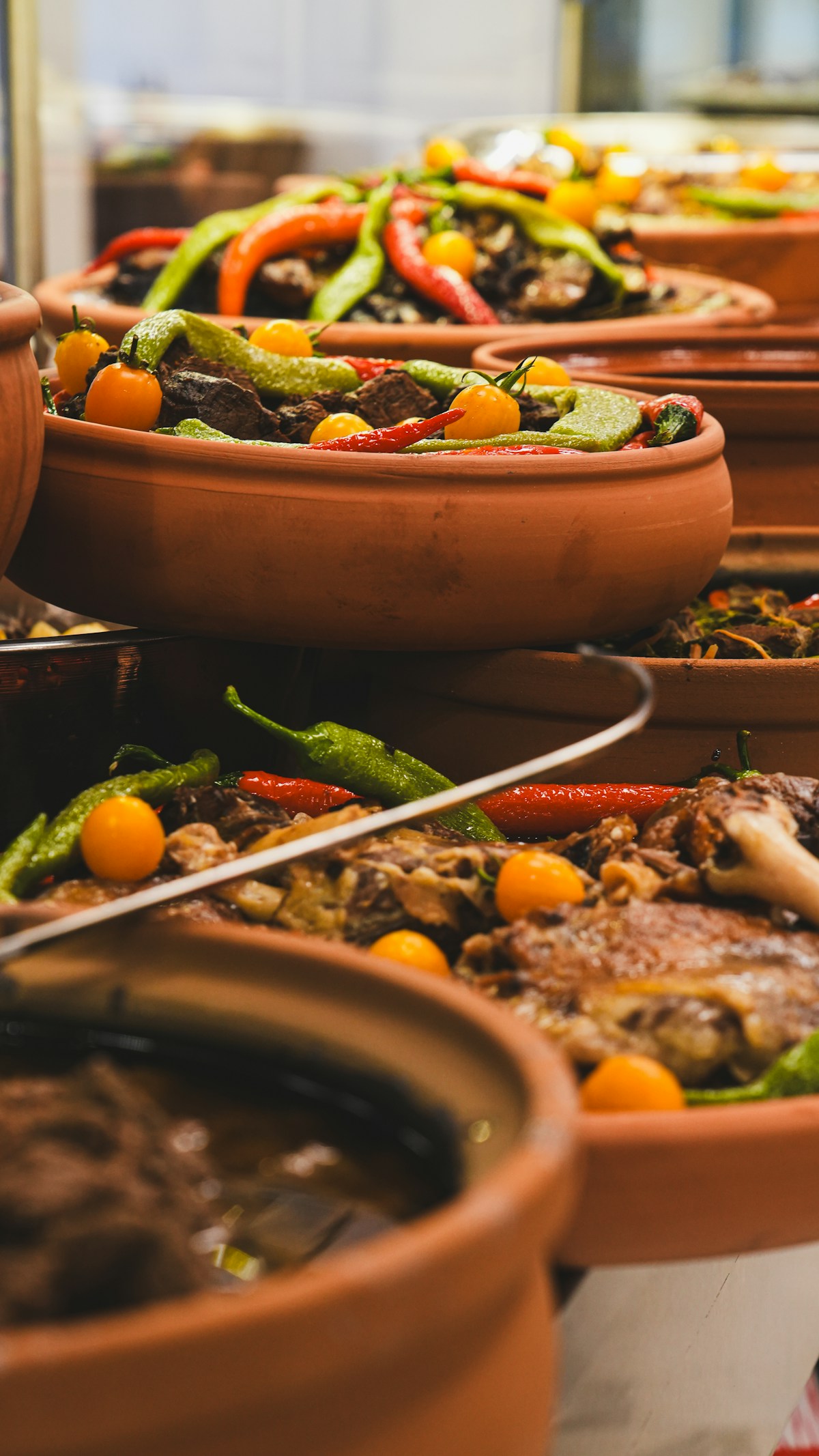
Terceira’s food is shaped by two things above all else: the island’s volcanic clay and its exceptional beef. The cattle that graze Terceira’s green central plateau produce some of the finest beef in the Azores, and the island’s signature dish - alcatra - puts it at the centre of the table, slow-cooked in a traditional red clay pot with wine and spices until it falls apart. Beyond alcatra, the island eats the same Atlantic seafood you’ll find across the archipelago, but with a few Terceira-specific preparations worth knowing about before you arrive.
Alcatra - the Dish That Defines Terceira
Alcatra is Terceira’s most important culinary export. The name refers to a specific cut of beef - roughly equivalent to rump - cooked slowly in a glazed clay pot (a púcara or panela de barro) with dry red wine, pork fat or lard, allspice, bay leaf, and onion. The result is a deeply savoury braise, the meat tender enough to break with a fork, swimming in a wine-dark sauce.
The dish has been central to Terceira’s feast culture for centuries. It is traditionally served at festas (religious festivals) honouring the Holy Spirit - the islands’ most important communal celebration - where enormous quantities are prepared in communal pots and distributed to the whole parish. Visitors are welcome at these festas, which run throughout summer.
In restaurants, alcatra is typically served in the clay pot it was cooked in, with a side of bread - either plain or Terceira’s distinctive malassada (a fluffy fried dough). Restaurante O Pescador in Angra do Heroísmo is a reliable address; Casa de Pasto Beira Mar on the seafront is simpler and slightly cheaper but equally authentic. Expect to pay approximately €14–18 as a main.
Order ahead if you’re visiting outside the summer season - some restaurants prepare alcatra only on specific days.
Lapas (Grilled Limpets)
Lapas appear as a starter on virtually every traditional menu across the Azores and Madeira, and Terceira is no exception. Limpets are collected from the island’s rocky volcanic coastline, placed shell-side down on a searingly hot cast-iron grill, and served still sizzling with garlic butter and a squeeze of lemon.
The limpets on Terceira tend to be on the large side - the Atlantic waters around the island are rich enough to support substantial shellfish. A starter portion (eight to ten limpets) costs approximately €8–13. They are best eaten immediately, using a small fork to detach the meat while it is still hot from the shell.
Most restaurants in Angra do Heroísmo serve lapas. Ask for them to be well-grilled (bem grelhadas) if you want the edges slightly charred - a common preference among locals.
Chouriço Assado (Roasted Sausage)
Terceira produces excellent chouriço - a heavily smoked pork sausage seasoned with paprika, garlic, red wine, and salt. The island version tends to be drier and more intensely seasoned than the mainland variety.
In many tascas you’ll be served chouriço assado as an automatic starter - a small clay pot with a sausage section over a flame of burning aguardente arrives at the table before you’ve ordered anything else. The spirit ignites, warming the sausage and rendering out some of the fat. You eat it sliced, on bread, while it is still warm.
This is one of those small pleasures that defines eating in Terceira’s older, more traditional restaurants. If a place sets it down without asking, you have probably found somewhere worth eating.
Biscoitos Verdelho Wine
The wine made in Biscoitos, on Terceira’s northern coast, is unlike anything produced on mainland Portugal. The vineyard sits on a lava field - flat black rock broken into enclosures by low stone walls, with vines growing directly in the volcanic substrate. There is almost no soil. The vines draw moisture from the rock itself and from the Atlantic fog.
The resulting wine is Verdelho - a grape associated with Madeira’s famous fortified wines, but here produced dry or off-dry. It is tannic, mineral, slightly saline, with an oxidised character that takes some getting used to if you are expecting a conventional white wine. It is excellent with grilled fish, lapas, and alcatra.
The Adega da Cooperativa de Biscoitos (Biscoitos Wine Cooperative) is the main producer and welcomes visitors most days for wine tasting. The area is about 25 kilometres from Angra do Heroísmo - an easy half-day trip combined with a walk along the natural lava pools at Biscoitos.
Bolo Lêvedo and Bread Culture
Terceira has a strong bread tradition. The most distinctive local product is the bolo lêvedo - a round, slightly sweet yeast bread with a golden crust, sold in bakeries across the island. It is softer and sweeter than the mainland equivalent and works well with both butter and cheese.
You will also find Dona Amélia cakes in virtually every café in Angra do Heroísmo - small, oval pastries made with molasses, almonds, cinnamon, and butter. They were created in the 19th century and named after a Portuguese queen who visited the island. They are sold in tins and keep well, making them the most common souvenir taken from Terceira.
Fresh Fish and Caldeirada
Beyond the island’s signature dishes, day-to-day eating on Terceira revolves around fresh Atlantic fish - typically chicharro (horse mackerel), atum (tuna), and garoupa (grouper), grilled whole with olive oil and served with boiled batatas (potatoes) and a tomato salad.
Caldeirada is worth ordering if you see it on the menu - a rich fish stew made with layers of fish, potato, onion, tomato, and olive oil, slow-cooked until the flavours meld. Each cook makes it slightly differently; the version in Terceira tends to be heartier than the Lisbon equivalent.
Where to Eat in Angra do Heroísmo
Restaurante O Pescador (Rua de São João) is the most consistently recommended address for traditional Terceira cooking - alcatra, grilled fish, and good local wine. Mains approximately €12–20.
Quinta do Martelo (Santo Espírito, 5 km from Angra) combines a working farm with a traditional restaurant. The menu changes with the season but always includes alcatra and island products. Worth booking ahead; live folk music at weekends in summer. Mains approximately €15–22.
Taberna do Tanque (near the central market) is simpler and cheaper - a daily lunch special, counter service, and a mix of local workers and budget-conscious travellers. Expect to pay €8–12 for a full meal including drink.
The central Mercado Municipal of Angra do Heroísmo is worth a visit on Saturday mornings, when local producers bring cheese, charcuterie, honey, and seasonal vegetables. You will find Queijo dos Açores (Azorean cheese) sold by the wedge, along with smoked sausages and local jams.
Practical Food Tips
Terceira’s restaurant lunch hours run approximately 12:30–15:00 and dinner 19:30–22:00. Outside those windows, your options shrink considerably - plan accordingly. Most traditional restaurants are closed on Sunday evenings and all day Monday.
Tap water in Terceira is safe to drink. Café culture is strong - the island has excellent espresso (um café means a small espresso), and café-style pastry shops (pastelarias) are busy from early morning with locals eating pão com manteiga (bread with butter) and drinking coffee before work.
Prices on Terceira are generally lower than Lisbon or Porto. A traditional three-course lunch including wine and coffee costs approximately €18–25 per person at a mid-range tasca. Higher-end restaurants near the UNESCO-listed old town charge €30–45 per head.