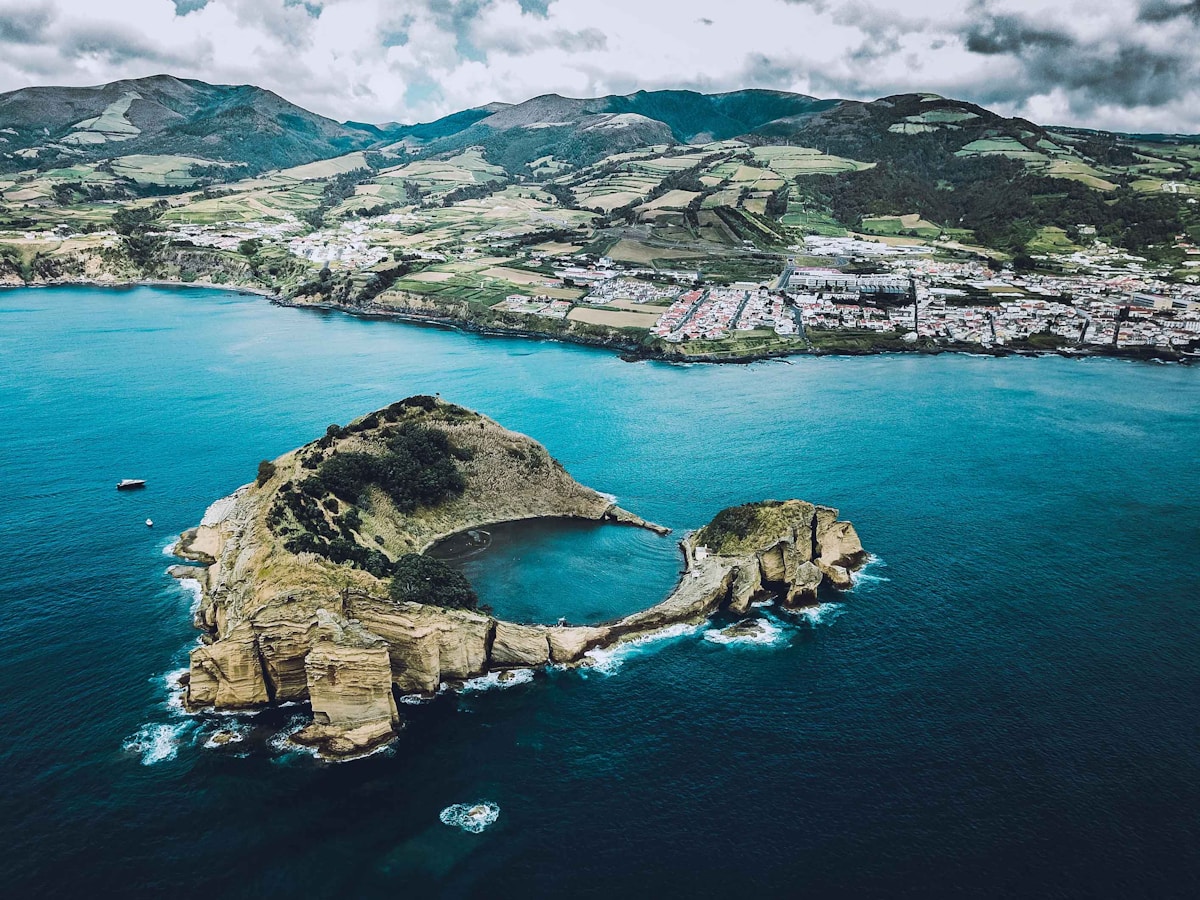
Terceira Island Guide - Angra do Heroísmo & History
Terceira: Angra UNESCO (16th-cent), Algar do Carvão cave (€5–6), natural pools. 2h from Lisbon, 40min from São Miguel - quieter than São Miguel.
Guides for Terceira
Terceira is the third-largest Azores island, covering 400km² with a population of 56,000. Its capital, Angra do Heroísmo (population ~35,000), is one of the most historically significant cities in the Portuguese-speaking world - a UNESCO World Heritage Site since 1983, and the former administrative capital of the Azores and a key waypoint on Atlantic trade routes connecting Europe, Africa, and the Americas.
The island is less visited than São Miguel and offers a quieter experience while still providing enough geology, outdoor activity, and food to justify several days.
Getting There
Terceira’s airport (TER, Lajes) sits on the plateau in the east of the island. SATA operates direct flights from Lisbon (~2h) and Porto (~2h), plus inter-island connections from São Miguel (30–45 minutes). Car hire is available at the airport; the island is compact enough to drive across in under an hour.
Angra do Heroísmo
Angra was founded in the 15th century and became the wealthiest city in the Portuguese Atlantic, sitting at the junction of routes between Europe, Brazil, and the African colonies. Ships stopped here to resupply. The fortunes made from transit built the town.
The UNESCO designation covers the entire city centre. The grid of streets, the two main churches, the waterfront, and the encircling fortifications are all 16th–17th century and relatively intact - Angra was hit by an earthquake in 1980, but restoration maintained the historic fabric.
Sé Cathedral (Cathedral of the Holy Saviour) - 16th century, the oldest surviving cathedral in the Azores. The interior holds carved woodwork and a tile-faced chapel floor.
Castelo de São Sebastião - 16th-century castle above the town, with views over the bay and Monte Brasil. The castle walls and batteries are walkable.
Monte Brasil - the volcanic headland west of the harbour. Drive or walk to the fortress at the top (Forte de São João Baptista, still an active military facility, exterior walkable) for panoramic views back over Angra and the island. The headland itself is a nature reserve.
Algar do Carvão
A lava tube cave 4km northwest of the centre of the island. Formed by lava draining from a shield volcano, the tube is roughly 90m deep and 100m wide at its broadest point. An interior lava lake at the bottom reflects the ceiling. This is considered one of the most accessible and visually impressive lava tubes in the world.
Entry fee €5–6. Open seasonally (check ahead in winter). The descent requires negotiating steep stairs - not suitable for those with limited mobility.
Biscoitos
Small village on the north coast, 20km from Angra. The coastline here is flat basalt lava with deep natural pools filled by the Atlantic. Swimming is good in calm weather. There are changing facilities and a small café. The name means “biscuits” - a reference to the cracked, irregular lava formations.
The surrounding area also has the island’s main wine production: Biscoitos wine, grown in the same style of volcanic terraced vineyards found on Pico.
Sanjoaninas Festival
Terceira’s biggest annual event runs for ten days in late June (June 18–29 in most years). Street decorations, folk music, fireworks, and food stalls across Angra. The festival centres on the Feast of St John the Baptist but has evolved into the island’s main cultural showcase.
Touradas à corda: traditional bull runs take place during the Sanjoaninas and throughout summer weekends. Unlike mainland Spanish bull events, the bulls are not injured or killed - they are controlled on long ropes held by teams of pastores (handlers). The bull charges into the crowd, which scatters; the pastores pull it back. Animal welfare standards are better than comparable events in Spain, though the practice remains controversial.
Terceira vs. São Miguel
São Miguel has more geological spectacle - the Sete Cidades crater, Furnas geothermal valley, and the dedicated whale-watching infrastructure are hard to match. Terceira has a UNESCO city, better colonial architecture, fewer tourists, and a more authentic small-city feel. For travellers who want Azores without the São Miguel crowds, Terceira is the right choice. The two islands are 40 minutes apart by plane.
Planning Your Stay
Search hotels in Terceira Azores on Booking.com to compare rates and availability. For hotels and guesthouses in Angra do Heroísmo and around the island, see our Terceira hotels guide. For the Algar do Carvão lava tube, Biscoitos natural pools, and other activities, see things to do on Terceira.
For guided experiences on Terceira, browse tours in Terceira - the Algar do Carvão cave tours, full-day island circuits, and Angra do Heroísmo walks are the most popular.
an eSIM for Portugal works across the Azores and Madeira, giving you mobile data for navigation and booking updates. Consider travel insurance for island hiking and water activities.
Terceira in the Azores
Terceira connects naturally with São Miguel (40-minute flight) and is part of the suggested route in our Azores island-hopping itinerary. The Azores region guide provides the full archipelago overview. For whale watching - Terceira has whale watching operators though fewer than Pico - see our whale watching Azores guide. Those choosing between islands can use the Madeira vs Azores comparison as a starting point. For visiting around the Sanjoaninas festival in late June, see Portugal in June which covers Azores summer events. Biscoitos wine and the UNESCO vineyards are covered in the context of island wines in our Portuguese wine guide.
Frequently Asked Questions
- Why is Angra do Heroísmo a UNESCO World Heritage Site?
- The city is the best-preserved Renaissance town in the North Atlantic, with a grid plan, 16th-century fortifications, and colonial architecture largely intact since its founding as a key port on Atlantic trade routes.
- How do I get to Terceira?
- SATA flies direct from Lisbon (2h) and Porto (2h). Terceira's airport (TER, Lajes) also serves inter-island connections from São Miguel.
- Is Terceira worth visiting instead of São Miguel?
- Yes, particularly if you prefer history over geothermal scenery. It is less visited than São Miguel, has better architecture, and fewer tourists at the main sites.
Book an experience
Top experiences in Terceira
Explore the best tours and activities in Terceira, with instant confirmation and free cancellation on most bookings.
Where to stay in Terceira: Find hotels in Terceira →