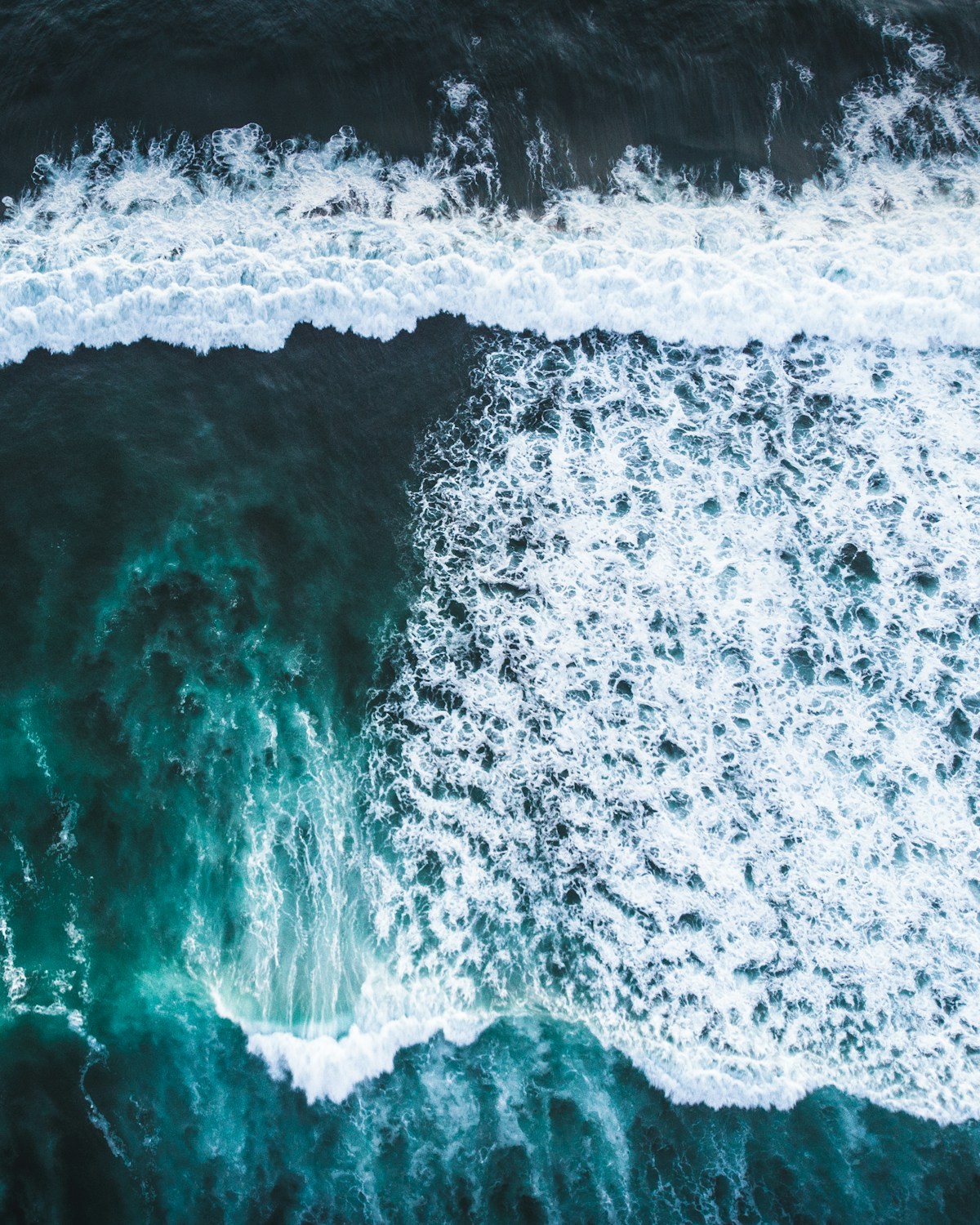
Nazaré’s big wave season runs from October through March each year. During these months, Atlantic low-pressure systems send large northwest swells down the Portuguese coast, and the Nazaré Canyon — a submarine gorge that runs 170km from offshore to within metres of Praia do Norte — concentrates that swell energy in a way that occurs nowhere else in Europe. The result is waves that regularly exceed 20 metres and occasionally reach heights that set world records.
This is a guide for visitors who want to witness it. Not for surfers — the waves at Praia do Norte are not surfed by recreational surfers under any circumstances — but for the tens of thousands of people who travel to Nazaré between October and March with the specific goal of watching some of the largest surfable waves on earth from the clifftop above.
When the Season Runs
The core window is October to March. Within that period:
November and January have historically produced the most dramatic surf. Atlantic storm systems tracking southeast send long-period northwest swell directly into the canyon’s funnel. A swell with an 18-20 second period arriving from the northwest produces the biggest wave faces. A direct 20-second northwest swell in November or January is what most big wave fans are hoping for.
February can also produce large surf and often sees formal WSL competition activity, since the waiting period extends to mid-March.
October and March produce big surf on the best days but are more variable. October is often the first major swell of the season; March can bring the season’s final large event before the Atlantic quiets into summer.
There are no guaranteed dates. The WSL Nazaré Tow Surfing Challenge has an activation window but is called only when swell forecasts clear the threshold — approximately 40 feet of wave face, suitable wind direction, and safe conditions for jet ski operations. A 24-to-48-hour notice call is standard. For specific event dates and the current season window, see the Nazaré Big Wave Challenge event page.
Where to Watch
Sítio Clifftop (the main viewing area)
The standard public viewing location is the clifftop village of Sítio, which sits approximately 100 metres above Praia do Norte on the headland between the north beach and the town. Two points are worth knowing:
Miradouro do Suberco is the primary viewpoint — a terrace on the cliff edge above the break. On a big day, this is where you want to be. It gives a direct, high sightline down to the break and across to the lighthouse. Arrive early on event days; the terrace fills fast.
Forte de São Miguel Arcanjo (the lighthouse) sits at the tip of the headland and has a circular terrace that is the closest clifftop point to the wave. Entry to the lighthouse interpretation centre costs €2 and is worth it for context. The terrace is exposed — it can be cold and wet in strong westerly conditions.
The entire clifftop area is publicly accessible. There are no tickets, no fences, and no seating. Dress in layers; the clifftop is windier and colder than the town below.
From the Beach (not recommended on big days)
Praia do Norte itself is not a safe spectating location when waves are running. The shore break is violent, wave wash extends unpredictably up the sand, and the beach has no protective infrastructure. On quieter days in early October or late March it can be calm and accessible, but when the canyon is firing it is a danger zone. Watch from above.
Getting to Sítio
From the town (Praia), two options:
Funicular (ascensor da Nazaré): runs from a station near the beach up to Sítio in approximately 2 minutes. Runs daily from 7am to midnight. Tickets cost €1.30 one-way or €2.30 return. On event days, queues build quickly — join early or walk.
Walk: the road up to Sítio takes around 20 minutes on foot, or there is a steeper footpath for those who prefer to avoid the road. Both are manageable.
By car to Sítio directly: take the road that loops up to the headland from the main N242. Parking near the lighthouse is limited (around 80 spaces) and fills within an hour once a swell call goes out publicly. Aim to arrive before the swell peak is forecast.
Planning a Trip Around the Waves
The single most important thing: build flexibility into your itinerary. A four-to-five-day window in Nazaré gives a reasonable chance of catching at least one significant swell during peak season. A single-night trip targeted at a specific date is a gamble unless the swell is already confirmed and large.
How to monitor:
- Windguru — filter for Nazaré, look for northwest swell with 18+ second period
- Surfline — search Praia do Norte; their long-range forecasts update daily
- WSL social media — when an event is formally activated, they post immediately
What a big swell day looks like: swell calls travel fast on social media. The town goes from quiet to crowded within 24 hours. Accommodation books out. Clifftop viewing areas fill from early morning when large surf is forecast for midday. Photography teams, film crews, and surf media descend. The atmosphere is unlike anything else in Portugal.
If no swell comes: Nazaré has plenty to occupy a few days. The town’s fishing culture, the Sítio village, the Alcobaça Monastery (10km inland, UNESCO listed), and Óbidos (20km south) are all worth the time. Peniche is 40km north and has its own surf scene and the medieval island fort of Peniche.
Practical Details
What to wear: expect wind and occasional spray. Waterproof outer layer, layers underneath. Even on a sunny October day the clifftop gets cold when watching for hours. Good footwear for potentially wet and uneven ground.
Photography: the viewpoint above the break makes long lenses effective. A 200-400mm lens captures the full scale of the wave and jet ski. Morning light (southeast facing break) is better for lit subjects. Overcast conditions are common in winter but reduce lens flare.
Safety distance: stay a minimum of 5 metres from any cliff edge regardless of barriers. On days when waves exceed 25 metres, spray has reached the clifftop viewpoint and wave energy has been felt at the lighthouse terrace. Follow any instructions from safety personnel on event days.
Accommodation: Nazaré has a concentrated core of hotels and guesthouses in the beach town. During WSL activation windows, hotels in Nazaré fill rapidly. Outside competition periods, big swell days still bring crowds. Book ahead if you are targeting November or January specifically. The Nazaré hotel guide covers the main options by location and price range.
The Canyon: Why Nazaré is Different
No other break in Europe behaves like this. The Nazaré Canyon is approximately 170km long, reaches depths of 5,000 metres, and runs perpendicular to the coastline before terminating close to the shore at Praia do Norte. When northwest swell crosses open ocean, wave energy normally dissipates as the swell crosses the shallow continental shelf. The canyon prevents this — energy runs straight in without touching the seafloor until the final break.
The canyon also creates a second effect: where shallow water normally to the south of the canyon slows the swell, the deeper canyon water allows it to run faster, causing the wave to pitch forward and break with a steeper, more powerful face. The combination produces wave faces that can be double or triple the height of what the open swell height would suggest elsewhere on the coast.
Sebastian Steudtner surfed a 26.21-metre wave here in October 2020, certified as the largest wave ever surfed. Maya Gabeira holds the women’s record at the same break. Both have said on record that the canyon makes Nazaré irreplaceable.
Getting to Nazaré
By bus from Lisbon: Rede Expressos from the terminal at Campo das Cebolas (or Sete Rios) to Nazaré, approximately 1 hour 45 minutes to 2 hours, from €11 each way. Several departures daily.
By car: 120km from Lisbon via the A8 motorway to Caldas da Rainha, then N8 south to Nazaré. Allow 1 hour 15 to 1 hour 30 depending on traffic. Parking in the town is straightforward outside peak summer.
If you are flying into Lisbon specifically to catch a swell, airport transfers from Lisbon can be arranged to run directly to Nazaré. An eSIM for Portugal lets you monitor swell forecasts and social media on the road without relying on roaming. For day tours from Lisbon that include Nazaré, browse Nazaré tours — some agencies offer swell-timed day trips during the winter months.
For the full context on conditions during the season, our Portugal in October and Portugal in November guides cover both the surf window and general travel conditions on the Silver Coast during autumn and winter. The Nazaré surf guide goes deeper on the wave science and world records for those who want more detail on what the surfers are actually facing.