November is a month of contrasts in Portugal. In the north, rain picks up and temperatures drop. In the south, the Algarve stays mild and largely uncrowded. At Nazaré, the world’s most extreme big wave spot enters its peak season. And in towns across the country, the chestnut-roasting tradition of São Martinho marks the close of harvest and the beginning of winter.
Weather in November
Lisbon averages 13–18°C with 10–12 rainy days - wetter than October but with genuine sunny periods between Atlantic weather systems. Porto is colder at 10–15°C and wetter, with the Minho region to the north receiving significant rainfall. The Algarve remains the mild outlier: 15–20°C with around 8 rainy days, sunny stretches, and comfortable conditions for walking and sightseeing.
The Alentejo cools to 10–17°C. Evenings across all regions require a jacket. The north can see frost by late November.
Nazaré - Big Wave Season Begins
Praia do Norte at Nazaré is the world’s foremost big wave location. The reason is geological: the Nazaré Canyon, a submarine gorge that runs from the abyssal Atlantic directly to the beach, focuses deep-ocean swells into waves of extraordinary height. When conditions align - a strong North Atlantic low generating long-period swell - the waves can exceed 20 metres in height.
November typically sees several significant swell events. The biggest days draw international photographers, media, and professional big wave surfers from the world’s elite tow-in and paddle teams. Garrett McNamara’s 2011 record was set here; subsequent records have followed.
Watching from land: the Sítio da Nazaré clifftop viewpoint, accessed by funicular from the lower town (€1.20 each way) or a 15-minute walk, sits directly above Praia do Norte. On big days, the viewpoint fills with spectators by 08:00. Check forecasts the day before - Windguru and Magicseaweed give swell period and height predictions accurate to 12–24 hours.
The town of Nazaré itself is 1 hour 20 minutes north of Lisbon by road (around €10 in tolls) and has good accommodation options that are significantly cheaper than in summer.
São Martinho - Chestnuts and New Wine
Dia de São Martinho on November 11th is one of Portugal’s warmest (in atmosphere if not temperature) traditional celebrations. The customs are:
- Roasted chestnuts (castanhas assadas): vendors set up charcoal braziers on pavements across all Portuguese cities. A paper cone of chestnuts costs €2–3. The smell is strongly associated with November in Portugal and deeply seasonal.
- Água-pé: the rough first wine pressed from harvest skins and seeds, available at local tabernas and quintas in November. Not fine wine, but deeply traditional.
- Jeropiga: a sweet grape must fortified with aguardente (grape brandy), produced in small quantities by rural producers and drunk in November.
- Magusto: an outdoor gathering centred on a chestnut fire, held in parks, school grounds, and rural properties. Public magustos are held in most towns on or around November 11th.
In Lisbon, the Parque Eduardo VII and Jardim da Estrela typically hold public magustos. In Porto, the Parque da Cidade and surroundings see neighbourhood gatherings.
Lisbon in November
Lisbon in November is genuinely pleasant for sightseeing. The major museums - Gulbenkian, Azulejo, Arte Antiga, MAAT - have no queues. Alfama’s streets are quiet. Belém’s monuments (Jerónimos Monastery, Torre de Belém) can be visited without the summer crush, and on sunny November days the Tagus views from the waterfront are excellent.
Restaurant reservations are unnecessary except at the most sought-after establishments. The city’s café culture continues at full pace - pastelarias and coffee shops are full of locals.
Porto in November
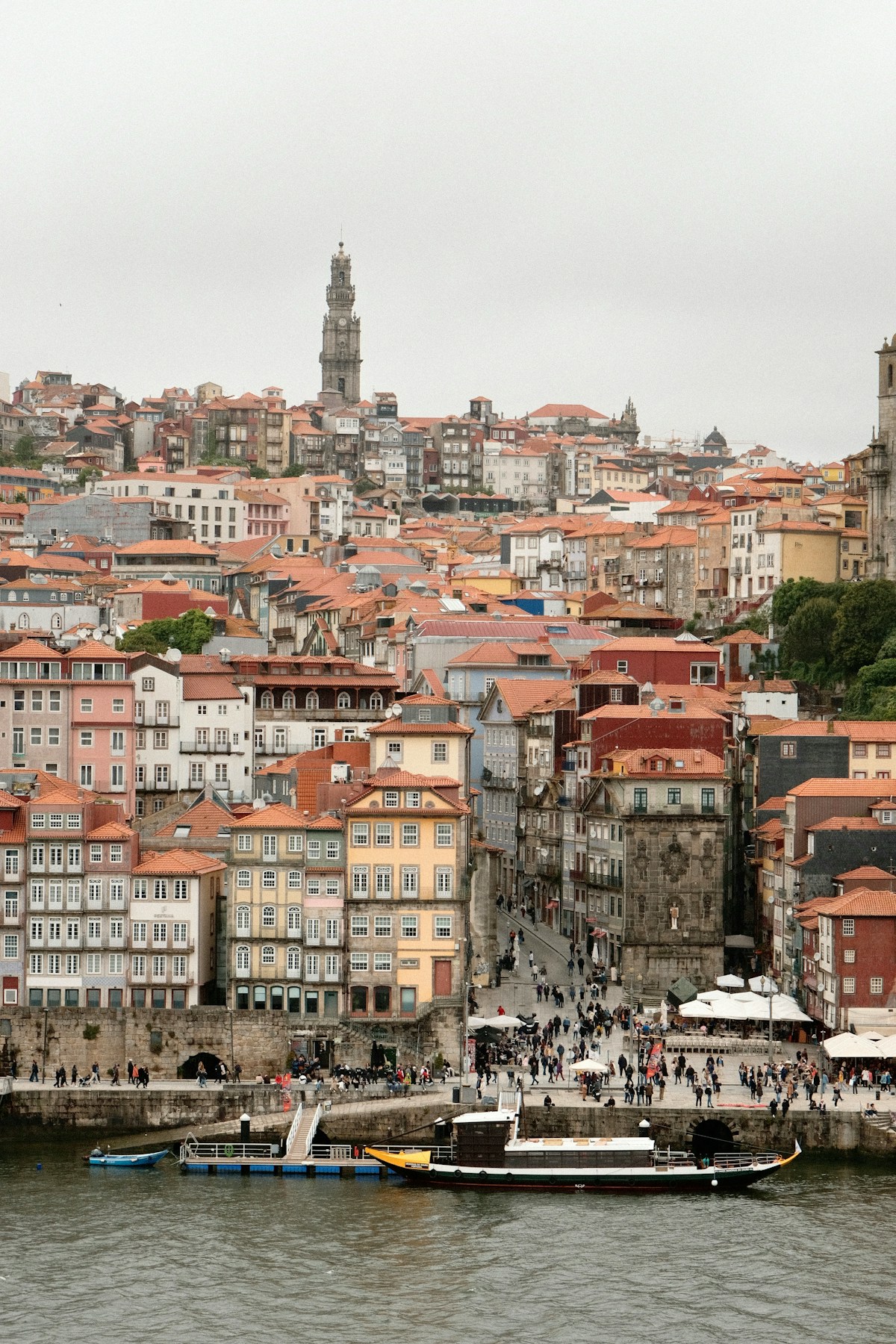
Porto’s food scene, music venues, and architectural heritage are at their most accessible in November. The rain is real - Porto gets more annual rainfall than London - but it comes in bursts, and the city’s covered arcades, port wine lodges, and indoor markets provide dry alternatives.
Port wine lodge tastings in Vila Nova de Gaia: Graham’s, Sandeman, Ramos Pinto, Taylor’s - all run daily tours from €12–20 per person. The caves at river level maintain a constant 14°C throughout the year. November gives these more intimate visits than the summer rush. Our Porto wine tasting guide covers each lodge’s format, prices, and what to expect.
Algarve in November
The Algarve’s eastern section around Tavira and Cacela Velha is particularly good in November - mild, quiet, and with accommodation prices a fraction of summer. The Ria Formosa nature reserve is active with wintering birds: flamingos, spoonbills, and waders arriving from the north.
Western Algarve coastal walks - Sagres, Ponta de Sagres, the Rota Vicentina - are excellent in November’s clear weather. Sagres is where Vasco da Gama, Magellan, and Bartolomeu Dias trained under Prince Henry the Navigator; the clifftop fortress is one of Portugal’s more historically significant sites and is quiet in November.
Browse tours across Portugal for guided experiences during your visit - from cultural walks to day trips, availability peaks in the summer months.
flights to Portugal helps you find the best fares for your travel window. travel insurance is worth comparing before departure, particularly for trips covering multiple regions.
Prices in November
November prices approach their annual minimum. Accommodation is 30–40% below July peak. Flights from northern Europe drop to near-February levels for mid-November onwards. Car hire is readily available and cheap. November is one of the better months for anyone optimising on value.
For the full context of month-by-month planning, see our best time to visit Portugal guide, which includes all 12 months. The Portugal travel costs guide covers realistic price benchmarks across accommodation, food, and activities for all seasons.
Plan Your Trip
For Nazaré’s big waves, check Windguru or MSW 48–72 hours ahead for North Atlantic swell height and period. On a significant swell day, the Sítio clifftop viewpoint fills by 08:00 — take the funicular (€1.20 each way) or walk the 15-minute path from the lower town. Nazaré hotels are a fraction of summer prices in November.
São Martinho on November 11th: roasted chestnut vendors appear across Lisbon and Porto. The Parque Eduardo VII in Lisbon and Parque da Cidade in Porto hold public magusto gatherings on or around the 11th — free and entirely local.
For birdwatching, the Ria Formosa near Tavira hosts flamingos and spoonbills arriving from the north through November.
- Search hotels in Portugal — 30–40% below summer peak
- Book flights to Portugal — near annual low fares
- Get travel insurance
- Rent a car