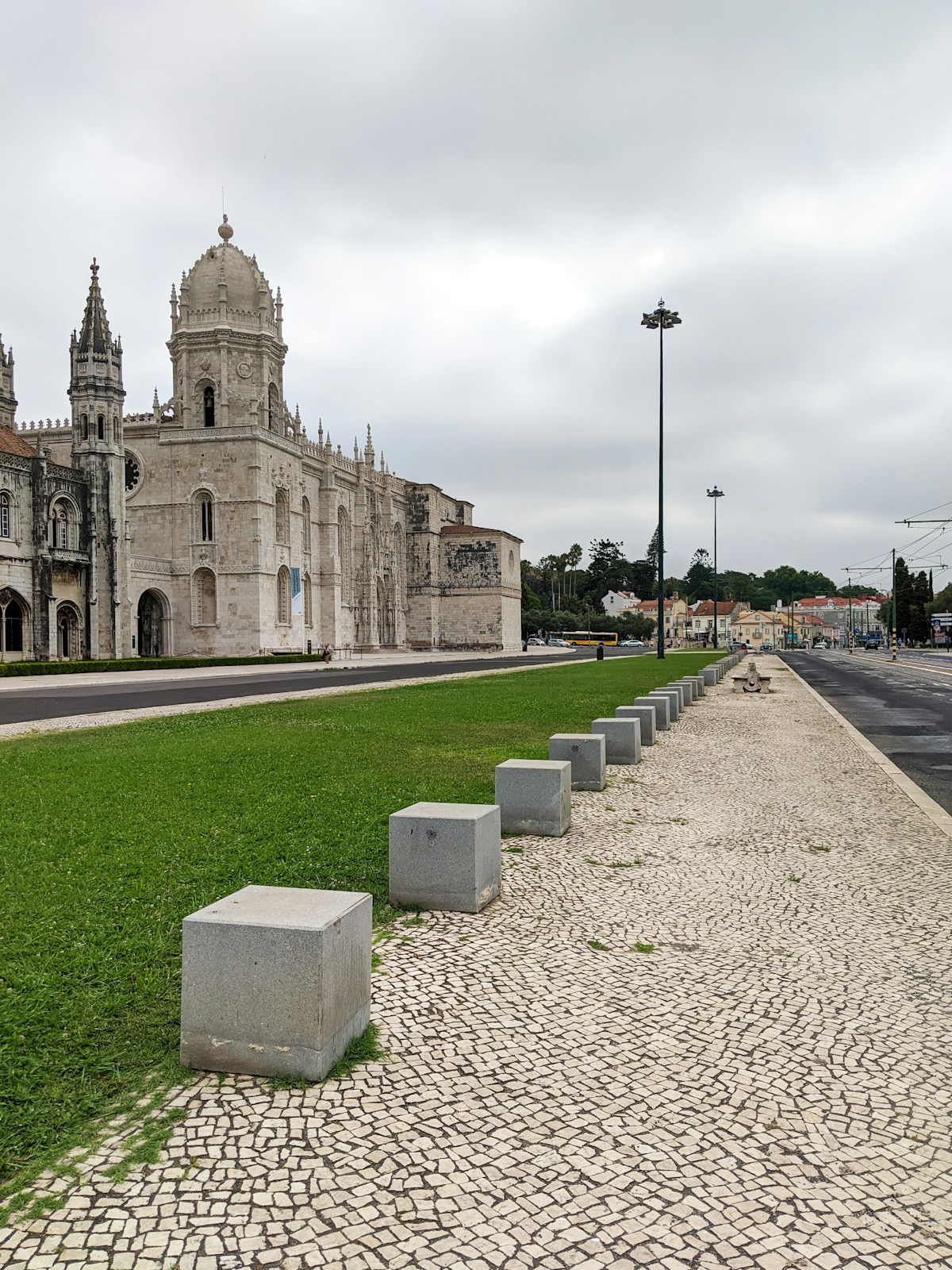
Lisbon in winter is one of Europe’s best-kept secrets. While the summer crowds descend on the Algarve and fill every pavement cafe in Chiado, the off-season strips Lisbon back to itself: quieter viewpoints, shorter queues at the major monuments, better hotel rates, and a city that belongs more to the people who live in it than to visitors passing through.
The tradeoff is real but small. You’ll encounter more rain and some cool evenings. But average temperatures from November through February sit at 10-15°C — mild enough that a good jacket and a pair of walking shoes cover most situations. On dry days, Lisbon delivers sharp winter light and empty cobbled streets that the summer version of this city simply doesn’t have.
Lisbon Winter Weather: What to Actually Expect
December and January are the wettest months, averaging around 12-14 rainy days each. That sounds worse than it is — most rain in Lisbon comes in short bursts rather than all-day grey, and sunny spells in between are common. February begins the slow turn towards spring, with noticeably more sun and temperatures inching up towards 15-16°C by month’s end.
Daytime highs sit at around 14-15°C in December and January. Nights drop to 8-9°C. Pack a waterproof layer for evenings and mornings, a mid-layer for flexibility, and comfortable walking shoes with decent grip for the wet cobblestones — Lisbon’s hills get slippery when damp.
For full month-by-month weather detail, see our guides to Portugal in December and Portugal in January. If you’re still deciding when to go, the best time to visit Portugal runs through the tradeoffs across all twelve months.
Jeronimos Monastery and Belem Without the Queues
Jeronimos Monastery is one of the most extraordinary buildings in Europe — 16th-century Manueline stone carving that covers every surface of the facade and cloister. In July and August, queues for the monastery can stretch 45 minutes to an hour before you get through the door. In December and January, you can walk straight in.
Admission is €10 for adults. We’d suggest arriving when the doors open (10:00 on most days) for the best light in the cloisters. The exterior is free to view and photograph at any time.
Belem rewards winter visitors across the board. The Tower of Belem — the 16th-century riverside fortification that serves as the postcard image of Lisbon — is also far quieter. Entry costs €6, and without the summer boat tour groups clustering around, you can actually take your time on the upper terraces looking out over the Tagus.
The MAAT (Museum of Art, Architecture and Technology) is a 5-minute walk from the tower along the waterfront. It’s open year-round, and winter afternoons at MAAT — after a morning at the monastery and tower — make for a solid full-day Belem itinerary.
After the cultural sites, Belem’s single most-visited attraction is a pastry shop.
Pasteis de Belem and Other Pastel de Nata Stops
Pasteis de Belem on Rua de Belem has been making custard tarts to the same recipe since 1837. The recipe is technically secret — only three people know the full formula — but the result is a tart with a flakier, thicker pastry and a slightly more caramelised custard than most imitations. A tart costs approximately €1.60, served warm with cinnamon and icing sugar on the side.
In summer, the queue at Pasteis de Belem wraps around the block. In winter, you’ll typically walk straight in and be seated within minutes in one of the azulejo-tiled dining rooms.
For pastel de nata elsewhere in the city, Manteigaria in Chiado (Rua do Loreto, 2) is the most serious competitor — smaller, counter-service only, open until late, and consistently rated alongside Belem for tart quality. Prices are similar at around €1.40-1.50 per tart. A third good option is Pasteis da Fabrica on Rua da Imprensa Nacional — less tourist-facing and popular with locals for good reason.
Sintra in the Quiet Season
Sintra is 40 minutes from Lisbon’s Rossio station by train (around €2.35 each way). In summer it handles around 20,000 visitors per day at peak periods, which makes Pena Palace a largely unpleasant experience: long queues, packed paths, and more phone cameras than castle battlements.
In December and January, visitor numbers drop dramatically. You can reach the palace gates within minutes of arrival. Tickets for Pena Palace cost €14 for adults, and the reduced-crowd experience is genuinely worth it — the palace’s extravagant 19th-century architecture, painted yellow and red, sits best when you can step back and look at it without a tour group in the way.
Quinta da Regaleira is the other must-see in Sintra. The Initiation Well — a 27-metre spiral stone staircase descending underground to a ceremonial chamber — is one of the most photographed spots in Portugal, and in summer it’s jammed. Entry is €10 for adults, and the grounds, including the well, the chapel, and the palace, take around two hours at a comfortable pace. The winter visit adds wet green moss to the stone walls, which actually improves the atmosphere.
See our Lisbon day trips guide for Sintra logistics, including bus options from the train station to the palace gates.
Fado Houses in Alfama and Mouraria
Fado is Portugal’s national music: melancholic, guitar-based, and traditionally associated with working-class Lisbon neighbourhoods like Alfama and Mouraria. Winter evenings are the best time to attend a fado house — the atmosphere in late November through January feels more genuine than the peak tourist season, when some venues cater almost exclusively to visitors on packaged tours.
In Alfama, Tasca do Chico on Rua do Diario de Noticias is widely regarded as one of the most authentic remaining fado venues. It’s small (around 25 seats), bookings are essential, and dinner-and-fado packages typically start from €35-40 per person. The music runs for about 90 minutes and the performers change nightly.
Mouraria — the neighbourhood historically associated with the origins of fado — has the Casa da Mouraria on Largo do Intendente, which runs regular performances and is cheaper than the tourist-facing venues in Alfama, with entry from around €10.
If you’d rather hear fado informally without a set dinner, some of the older bars in Alfama will have musicians playing on weekend evenings with no cover charge.
LX Factory for Weekend Browsing
LX Factory on Rua Rodrigues de Faria operates every Sunday as a market and food event inside a converted 19th-century textile factory in Alcantara. Vintage clothing stalls, independent bookshops, plant sellers, and street food vendors fill the factory floors and outdoor passages from around 10:00 until late afternoon.
In summer it gets extremely crowded. On winter Sundays, it’s busy enough to be lively but navigable. The Sunday market runs year-round. The complex also has a permanent mix of restaurants, cafes, and independent shops open through the week — the record shop and the concept bookshop Ler Devagar (one of the most beautiful bookshops in Portugal, occupying an old industrial space) are both worth the visit on any day.
Budget Advantages: Winter Hotel Rates
Hotel rates in Lisbon in December and January typically run 30-40% below peak summer prices. A four-star property in Baixa or Chiado that costs €250-300 per night in July will frequently come in at €150-180 in January. A well-reviewed three-star in Alfama or Bairro Alto that costs €180 in summer often drops to €110-130.
Availability is considerably easier to find, too. Summer requires booking popular central-Lisbon properties two to three months ahead. In winter, a week’s notice is usually sufficient.
For a view of the Tagus, the Santa Catarina neighbourhood sits on a mirador with river views and is a ten-minute walk from Chiado — hotels here command a premium in summer that softens in winter. The Bairro Alto Hotel on Largo do Camoes is one of the established five-star options in the area, with winter rates from approximately €300-350 per night versus €500+ in peak season.
What to Pack for Lisbon in Winter
The key is layers rather than weight. Lisbon winters rarely require a heavy winter coat, but the damp makes a waterproof outer layer essential. A mid-layer — a fleece or light down jacket — handles most evenings. Mornings can feel cold until the sun gets up.
Walking shoes with grip are important. Lisbon’s cobblestones are beautiful and uneven, and wet stone on a hill is its own category of hazard. Trainers work if the sole has decent traction. Dedicated waterproof hiking shoes are ideal if you’re planning day trips to Sintra or the coast.
Everything else is standard: a couple of layers of base clothing, a scarf for evenings, and an umbrella or compact rain jacket that fits in a bag. Lisbon in winter doesn’t require specialist gear — it requires flexibility for weather that changes fast.
Getting the Most from a Winter Visit
The practical upside of a winter trip extends beyond budget. Lisbon’s best restaurants don’t require reservations weeks in advance. The 28E tram route through Alfama — famously packed in summer to the point that locals avoid it entirely — is actually rideable in January. Viewpoints like Miradouro da Graca and Miradouro de Santa Luzia offer their panoramas over the Alfama rooftops without three tour groups in the frame.
For a full overview of what’s on and what’s open, our things to do in Lisbon guide covers year-round options with practical opening hours and ticket prices.
Lisbon in winter is the city at its most navigable, most honest, and most affordable. The monuments are still there. The fado is still playing. The custard tarts are still warm. There are just considerably fewer people between you and all of it.