January is one of Portugal’s quietest months, and for travellers who can tolerate some rain and cooler evenings, that’s a significant advantage. Prices are at their annual low, major sights are uncrowded, and the country’s cafés and restaurants operate at a more relaxed pace. For city guides, see Lisbon and Porto.
Weather Across Portugal in January
Temperatures vary noticeably by region. Lisbon sits around 8–15°C with an average of 10 rainy days across the month. Rain tends to come in short bursts rather than all-day downpours. Porto is wetter, averaging 12–14 rainy days and temperatures of 7–13°C. The Algarve is the standout destination in January - mild at 13–18°C, with significantly more sunshine than the north, and only 6–8 rainy days on average.
The Alentejo interior can be cold at night (down to 5°C) but often sunny during the day. Madeira stays around 16–20°C year-round and is an excellent option for those wanting reliable warmth. The Azores are wet and windy but offer whale watching experiences that are genuinely world-class.
Crowds and Prices
January is low season across the board. Expect to:
- Pay 30–40% less for hotels than in peak summer months
- Walk through Belém, the Jerónimos Monastery, and Sintra with a fraction of the usual crowds
- Book last-minute without penalty at most properties
- Find restaurants with no queues and full staff attention
The one exception is New Year’s weekend, which carries over into the first few days of January with elevated prices in Lisbon and Madeira.
What to Do in Portugal in January
Lisbon
The city’s museums, miradouros, and tram lines are all accessible without queues. The Museu Nacional do Azulejo, MAAT, and Museu Calouste Gulbenkian are worth half a day each. Alfama’s streets are best explored on foot - the labyrinthine lanes feel more intimate without the summer crowds. Fado houses in Mouraria and Bairro Alto continue through winter with full schedules.
Porto
Porto suits January well. The Ribeira waterfront and Vila Nova de Gaia wine cellars are atmospheric in grey weather. Port lodge tastings at Graham’s, Taylor’s, and Ramos Pinto run daily and cost €10–20 per person including samples. The Livraria Lello bookshop no longer requires queuing for 45 minutes to enter.
Algarve
The Algarve in January is underrated. The dramatic Ponta da Piedade sea stacks and Praia da Marinha coastal path are best walked without the summer heat and crowds. Lagos, Tavira, and Silves are all quietly alive - not shut down, as some travellers assume. The almond trees in the eastern Algarve begin to blossom in late January, covering hillsides in white and pink.
Azores - Whale Watching Season Opens
January marks the start of the whale watching season on Faial and Pico islands. Sperm whales are resident year-round; January through March brings blue and fin whales on migration. Tours depart from Horta and Madalena, typically costing €55–75 per person. Seas can be rough - choose operators who offer rebooking guarantees for weather cancellations. Our Azores whale watching guide covers operators in detail.
Nazaré - Big Wave Season
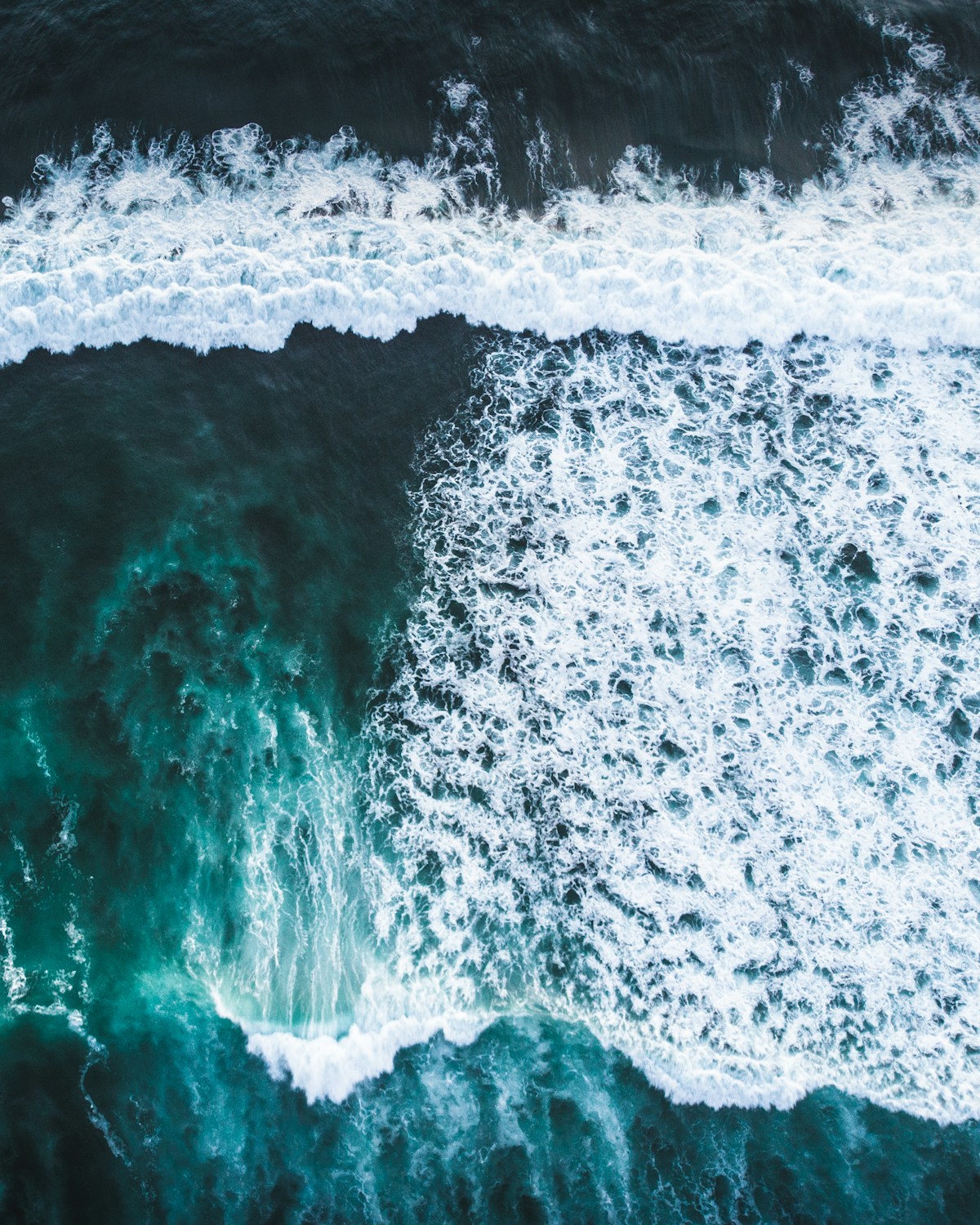
The Praia do Norte at Nazaré is the world’s foremost big wave surf venue, and January is typically the peak month. When North Atlantic swells reach 10 metres plus, the underwater canyon funnels waves to extraordinary heights - 20-metre faces are not uncommon. You do not need a surf ticket to watch from the Sítio clifftop viewpoint. Check surf forecasts (Windguru, MSW) for incoming swells; the biggest days draw photographers and spectators from across Europe.
January Budget Breakdown
| Category | Low Budget | Mid-Range |
|---|---|---|
| Hostel dorm / hotel | €18–25 / night | €70–100 / night |
| Lunch (daily special) | €10–12 | €18–25 |
| Dinner | €15–20 | €30–50 |
| Lisbon metro day pass | €6.90 | €6.90 |
| Museum entry | €5–15 | €5–15 |
A budget traveller spending carefully can manage comfortably on €55–70/day in January - the cheapest the country gets.
What to Skip in January
Beach tourism on the mainland is not worthwhile - the sea is cold, Atlantic swells are large (and dangerous at exposed beaches), and beach clubs are closed. Surfing is excellent but requires experience on the bigger winter swells. The Douro Valley wine country is dormant and the vines are bare - better visited in September or October for colour and harvest activity.
Browse tours across Portugal for guided experiences during your visit - from cultural walks to day trips, availability peaks in the summer months.
flights to Portugal helps you find the best fares for your travel window. travel insurance is worth comparing before departure, particularly for trips covering multiple regions.
Getting Around
Car hire prices drop significantly in January. A compact car from Lisbon Airport costs as little as €25–35/day with a reputable broker (Rentalcars.com, AutoEurope). Public transport is reliable: the CP train network connects Lisbon, Porto, Faro, and intermediate cities efficiently, and tickets are cheap off-peak. For a full price comparison across seasons, see our Portugal travel costs guide. For what to pack in January — layers, waterproofs, and what to leave behind — see our Portugal packing list.
Plan Your Trip
January is Portugal’s price floor — accommodation runs 30–40% below August across Lisbon, Porto, and the Algarve. Book last-minute with confidence; availability is high except for the first few days of January in Lisbon and Madeira.
If the Azores is your reason for coming, whale watching opens in January with sperm whales resident year-round and blue whales beginning their migration. Book with Espaço Talassa on Pico or Natur on Faial and confirm their rebooking guarantee before paying — winter seas cancel departures regularly.
For Nazaré’s big wave events, check Windguru or MSW two to three days ahead — the biggest swells arrive fast and nearby accommodation fills overnight.
- Search hotels in Portugal — no advance booking pressure needed this month
- Rent a car — rates from €25/day, cheapest of the year
- Book flights to Portugal
- Get travel insurance