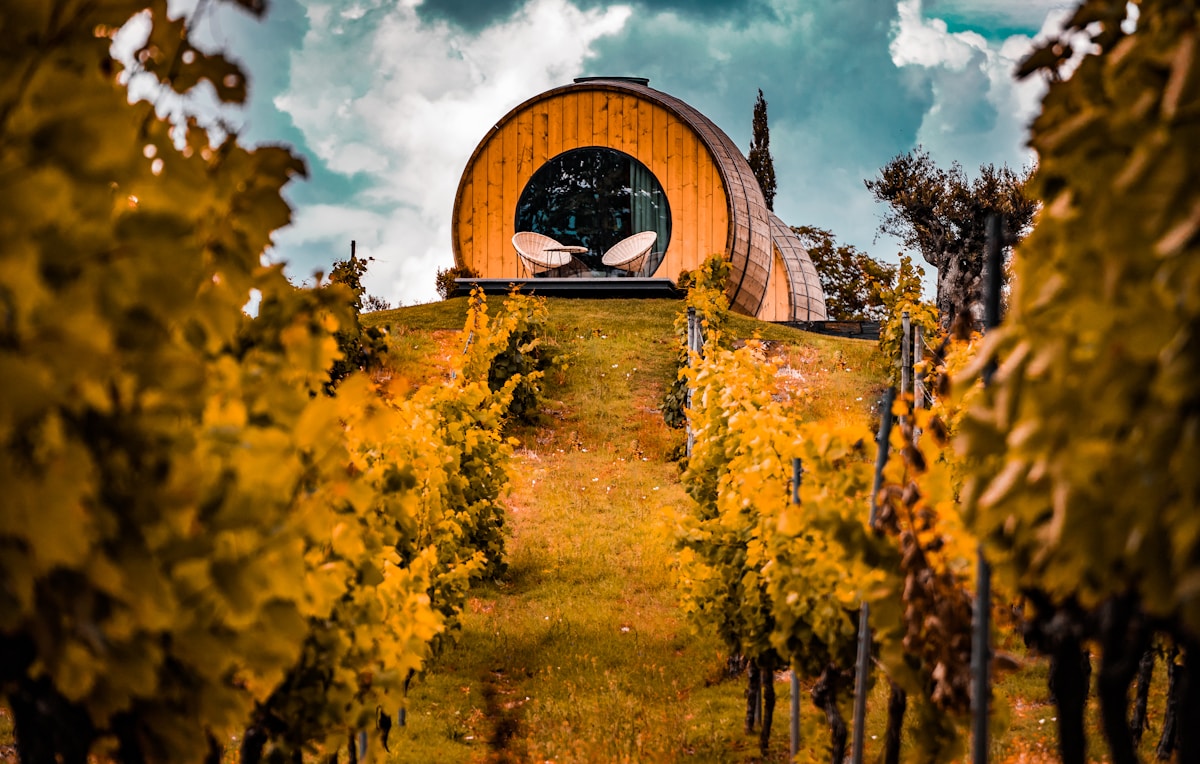
September is the month the Douro Valley has been building towards all year. The vindimas — the grape harvest — transforms the terraced vineyards above the river into one of the most photographed agricultural scenes in Europe, and this year the window runs from roughly the first week of September through to mid-October depending on the estate and grape variety.
When Does the Harvest Happen
The start date shifts each year based on sugar levels and rainfall during the growing season. In 2026, early indications from quintas in the Cima Corgo and Douro Superior suggest picking will begin in the first two weeks of September for white varieties and touriga nacional, with the reds following through October. Quinta managers typically confirm exact dates two to three weeks ahead, so anyone booking a harvest visit now should do so with some flexibility.
What the Vindimas Actually Looks Like
On a working estate, harvest days begin before sunrise. Pickers — often the same families who have worked the same quinta for decades — move along the narrow stone terraces cutting bunches by hand. The baskets fill, are hauled to the winery, and the fruit goes into granite lagares for foot-treading if the estate follows traditional methods. Some quintas now use mechanical alternatives for most of their output, but reserve a portion for lagar treading precisely because visitors want to see it.
Many quintas welcome visitors to watch and, at some, participate. The afternoon foot-treading sessions at estates in Pinhão and around Régua sometimes allow guests to join in — knee-deep in grapes for an hour or two to the sound of accordions. It is not a clean activity and it is not meant to be.
How to Visit a Quinta During Harvest
Booking in advance is essential. Most quintas that open for harvest visits cap group sizes, and September bookings typically fill by late August. Our guide to visiting Douro quintas lists the main estates that accept visitor bookings, with contact information and what each experience includes.
For those coming from Porto, the Douro Valley train line is the most practical option. The CP train from Porto Campanhã follows the river east to Régua (around two hours) and continues to Pinhão (around 2 hours 45 minutes), dropping you within walking distance of several quintas. The scenic section between Pinhão and Pocinho is considered one of the finest rail journeys in Europe.
Base Yourself in Porto or in the Douro
Porto is the natural base for day trips during harvest season. The city is only two to three hours from most of the main vineyard areas and offers far more accommodation options at a wider range of prices. That said, staying in the valley itself — at a quinta guesthouse or one of the small hotels around Pinhão — means you can be in the vineyards at first light, before tour groups arrive from the city.
What to Book Now
If a harvest visit is part of your September plans, contact your preferred quinta directly rather than waiting for a third-party booking platform. Many estate visits fill outside standard channels.