Graciosa Island Guide - Furna do Enxofre, Thermal
Graciosa island guide - Furna do Enxofre volcanic cave, Caldeira da Graciosa, Carapacho thermal baths, and the least-visited Azores island.
Guides for Graciosa
Graciosa is the second smallest island in the Azores (61km²) and the flattest - its topography is gentler than the steep volcanic ridges of São Jorge or Faial. The island lies in the central group, roughly 60km northwest of Terceira. It is a UNESCO Biosphere Reserve, has no direct flight from Lisbon, and is visited by very few travellers compared to its neighbours. For those reasons, it is one of the most rewarding islands for people who want to see the Azores without a tour group.
The island’s name - Graciosa (gracious, graceful) - is generally attributed to the Flemish settlers of the 15th century who found its gentle contours a relief after rougher Atlantic crossings.
Getting There
SATA operates inter-island flights from São Miguel (Ponta Delgada) and Terceira (Angra do Heroísmo) to Graciosa Airport (GRW), near Santa Cruz da Graciosa. Journey time from Terceira is approximately 25 minutes. Direct flights from Lisbon are not available - connections through Terceira are the most reliable routing.
Atlanticoline ferries run seasonally between Graciosa and the other central-group islands - the crossing from Terceira (Praia da Vitória) takes approximately 3–4 hours. Car hire is limited but available in Santa Cruz; the island is small enough that a single car hire day covers most sites.
Caldeira da Graciosa and Furna do Enxofre
The Caldeira da Graciosa is a volcanic caldera approximately 1km in diameter, in the southwest of the island. The rim is forested and walkable - a footpath circles the caldera at the top. At the centre of the caldera floor, beneath the basalt, is the Furna do Enxofre cave.
The cave is accessed via a spiral metal staircase built into the rock, descending around 40m from the caldera surface to the cave floor. The air becomes noticeably warmer and sulphurous as you descend. At the bottom, a lake of pale green water fills a large volcanic chamber - the thermal activity is active enough to create a steady mist over the water surface. There are wooden walkways and lighting for the main viewing area.
Opening hours are typically 9:30am–12:30pm and 2pm–5pm Tuesday through Sunday (closed Monday). Entry is approximately €6 as of 2026. The caldera rim walk takes 45 minutes to an hour and is suitable for most walkers. Combine the cave visit with the rim walk for a half-day excursion.
Carapacho Thermal Baths
On the southeast coast, near the village of Luz, the Termas do Carapacho are among the oldest thermal baths in the Azores. The complex has indoor pools heated by volcanic spring water at around 38–40°C, along with an outdoor saltwater pool and a natural rock pool directly at sea level.
The setting is unusual - the thermal facilities sit at the edge of the ocean, with waves breaking on the lava shelf below the outdoor pool. Swimming between the indoor hot baths and the cool Atlantic rock pools is the main draw. Entry to the thermal complex is approximately €7 per person (indoor pools); the outdoor rock pools are accessible freely at the adjacent shoreline.
The baths are most popular in the morning. Arrive by 10am for the best chance of a quiet experience. The small café on site serves coffee and pastel de nata.
Santa Cruz da Graciosa
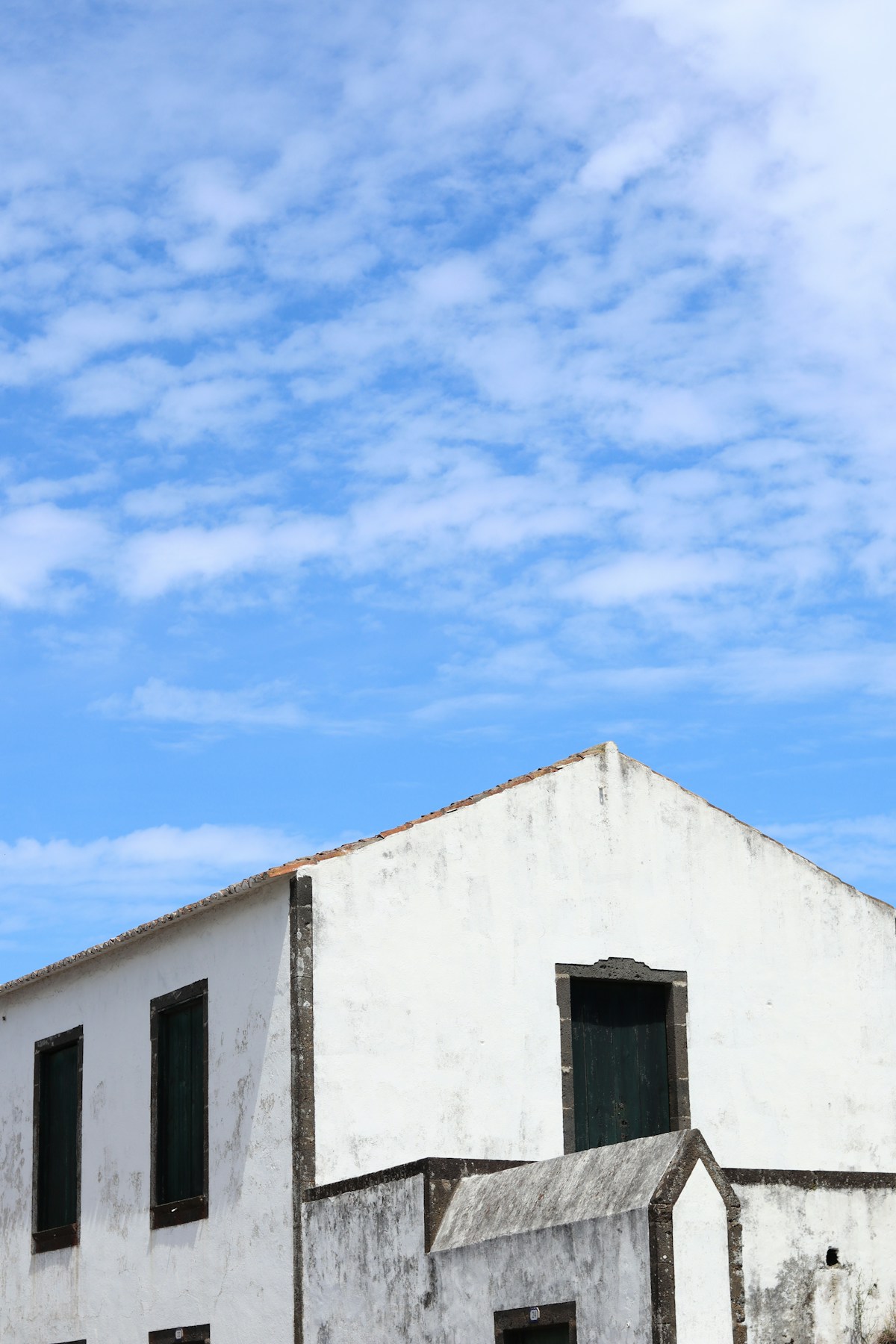
The island’s only town is Santa Cruz da Graciosa, on the north coast. It is one of the most architecturally preserved towns in the Azores - the 16th-century core of whitewashed houses with black basalt borders and trim, cobbled streets, and a waterfront church has been protected by the island’s biosphere designation and low development pressure.
The Museu da Graciosa, in the town centre, has exhibits on the island’s traditional windmill culture - Graciosa once had more windmills per capita than any other Azores island, used to mill grain rather than pump water. Several have been restored on the plateau above Santa Cruz. The museum is open Tuesday through Sunday; entry is approximately €2.
The town’s main square (Largo Fontes Pereira de Melo) has the island’s handful of restaurants and the central ferry booking point. Restaurants serve Azorean staples - lapas (limpets) grilled with garlic butter, açorda (bread-based stew), and alcatra (beef stew, more typically associated with Terceira but found across the archipelago).
Walking and the Island Landscape
Graciosa has a network of levada-style walking paths connecting the plateau, the caldeira, and the coast. The main signposted route is the Volta a Ilha (island circuit) - approximately 40km divided into segments, covering the north cliffs, the southern caldeira, and the agricultural interior. Most walkers complete one or two segments per day rather than the full circuit.
The island’s interior is covered in vineyards - Graciosa wine production (branco, tinto, and verdelho varietals) is active and several family operations welcome visitors. The vine management here uses traditional low-growing systems designed to minimise exposure to Atlantic winds.
Birdwatching is productive on Graciosa, particularly at the Lagoa da Graciosa (a small wetland reservoir) and the coastal cliffs on the north side. The island has important breeding colonies of Cory’s shearwater.
Where to Stay
Hotel Santa Cruz - The only hotel in the conventional sense on the island, in the town centre. Doubles from approximately €90/night in season. Reliable, functional, with a good breakfast. The owners can arrange car hire and guided tours of the caldeira.
Graciosa Resort & Business Hotel - A more modern property on the outskirts of Santa Cruz, with a pool and restaurant. Doubles from approximately €110/night. Best for travellers wanting more comfort than the older stock in town. Popular with visiting business travellers and island government staff - the island’s administrative offices are nearby.
Casa do Mirante - A three-room guesthouse on the plateau above Santa Cruz, with views across the caldeira and the island’s interior. Doubles from approximately €65/night. Good value; the host can advise on walking routes and thermal bath timings.
Quinta das Fontes - A rural house rental in the interior of the island, set among vineyards near Luz. Four rooms. Doubles from approximately €70/night including breakfast. Adjacent to the Carapacho road - 10 minutes from the thermal baths.
For the full accommodation breakdown, see our Graciosa hotels guide.
Search hotels in Graciosa Azores on Booking.com to compare rates and availability.
Planning Your Visit
Two nights is the minimum to cover Furna do Enxofre, the caldeira walk, and the thermal baths. Three nights allows time for the town museum, a winery visit, and walking a section of the island circuit. The island doesn’t sustain longer stays for most visitors - combine it with Terceira (direct inter-island flight, 25 minutes) for a more complete trip.
May through September is the season - the baths and cave operate standard hours, ferries are more frequent, and the vineyards are in leaf. Off-season visits (November through March) are possible but some facilities reduce hours, and ferry links thin out considerably.
For a full list of activities and guided experiences, see our Graciosa things to do guide.
The which Azores island guide compares all nine islands for different travel priorities. Graciosa pairs naturally with Terceira - fly in via Angra do Heroísmo and add 2–3 nights on Graciosa before or after. The Azores region guide covers the full island-hopping context. Browse tours in Graciosa for organised half-day tours of the caldeira and thermal baths.
Frequently Asked Questions
- What is the Furna do Enxofre?
- Furna do Enxofre is a volcanic cave inside the Caldeira da Graciosa, reached by a spiral staircase cut into the rock. At the bottom, a lake of green-tinted sulphurous water sits at volcanic temperatures. The cave is one of the most unusual geological features in the Azores - mist rises from the lake and the air is warm and sulphurous. Entry is approximately €6 and the staircase descent takes about 10 minutes.
- Is Graciosa really the least-visited Azores island?
- Graciosa consistently ranks as one of the least-visited islands in the archipelago. It has no airport direct from mainland Portugal - flights go via São Miguel or Terceira - which reduces casual visitor numbers significantly. The island population is under 5,000 and infrastructure is limited compared to Faial or Terceira. For travellers who want a genuinely quiet Azores experience, this is the trade-off.
- What does the UNESCO biosphere status mean for Graciosa?
- Graciosa was designated a UNESCO Biosphere Reserve in 2007. The designation covers the entire island and recognises its unique geology, endemic plant species, and traditional agricultural landscape. The island has restricted building and land-use rules compared to undesignated areas - one reason it retains its historic character with minimal modern development.
Book an experience
Top experiences in Graciosa
Explore the best tours and activities in Graciosa, with instant confirmation and free cancellation on most bookings.
Where to stay in Graciosa: Find hotels in Graciosa →