Graciosa is the gentlest of the Azores islands - flat-centred, limestone-influenced, and slower-paced than its more volcanically dramatic neighbours. Its food reflects that character: unpretentious, ingredient-led, and shaped by a dairy-farming tradition and close relationship with the surrounding Atlantic. The island is small enough that most of its restaurant life is concentrated in Santa Cruz da Graciosa, the main town, but what you find there is honest and good. Graciosa also produces one of the archipelago’s most unusual spirits, a distinct local cheese, and some of the freshest fish you will eat anywhere in Portugal.
Lapas (Grilled Limpets)
Graciosa’s coastline is a mix of volcanic rock and limestone cliff, and both provide excellent habitat for Atlantic limpets. As on every Azorean island, lapas are the default starter at any traditional restaurant - grilled in their shells with garlic butter and lemon, served sizzling at the table.
The island’s version tends to be simple and unadorned - no extra seasonings, no modern embellishment. This is appropriate. The limpets themselves are the point, and they are consistently good. Expect €8–12 for a starter portion of eight to ten pieces. Every traditional tasca in Santa Cruz serves them.
Fresh Fish and Daily Catches
Graciosa has a small but active fishing fleet operating from the port at Praia. The daily catch varies - chicharro (horse mackerel) and cavala (Atlantic mackerel) are the most consistent, with atum (tuna), garoupa (grouper), and bique (red snapper) appearing when conditions allow.
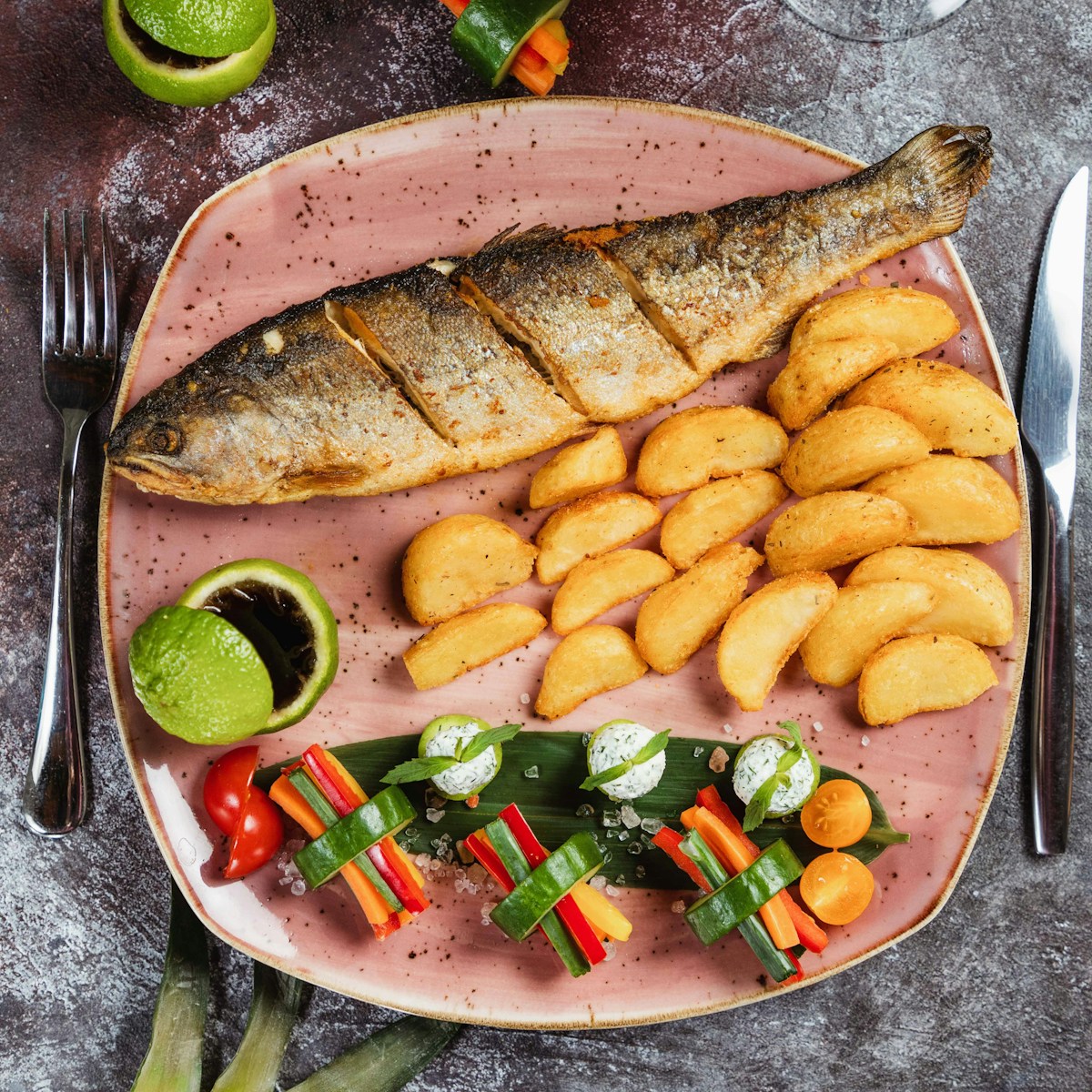
Most restaurants in Santa Cruz da Graciosa operate on a short menu with a fresh-fish daily special. Ask what came in - the kitchen will tell you. Grilled whole fish with boiled batatas, a tomato salad, and a drizzle of olive oil is the standard preparation, and it is excellent when the fish is genuinely fresh.
Caldeirada (fish stew with potato, tomato, and olive oil) also appears as a special in cooler months. It is a warming dish that makes use of mixed catches and smaller fish - not the most photogenic plate, but one of the more satisfying.
A fish main with sides costs approximately €9–14 at a traditional tasca.
Queijo Graciosa and Local Dairy
Graciosa has a well-established dairy sector. The island’s cattle graze on the flat central plateau and the gentler coastal slopes, producing milk that is processed into fresh cheese, butter, and yoghurt at local dairies.
Queijo Graciosa is a fresh to semi-soft cow’s milk cheese, mild and creamy, consumed within a few weeks of production. It lacks the aged intensity of Queijo São Jorge but is a pleasure eaten fresh with bread and honey - the kind of simple, unfussy snack that defines eating on a small island. Available at the local dairy cooperative and at Intermarché in Santa Cruz for approximately €3–5 per piece.
The butter produced on Graciosa is also worth trying - unsalted, high-fat, made from the milk of grass-fed cattle. It is the kind of butter that makes plain bread a satisfying meal.
Genebra - Graciosa’s Unique Spirit
Graciosa is one of the few places in the world that produces genebra - a juniper-based spirit that predates modern gin and shares only the use of juniper berries as a common point. The production process is simpler and the result more rough-edged than commercial gin: fermented and distilled without the complex botanical additions that define the modern spirit.
It is an acquired taste. Neat, it has a clear, slightly resinous juniper note with a harsh alcohol edge - the kind of thing village men drank at the end of a day’s work rather than something designed for cocktail bars. But on the island where it is made, it has historical significance as one of the old traditions that survived when most similar spirits disappeared from Europe.
A bottle in Santa Cruz shops costs approximately €8–15. Some local restaurants carry it behind the bar if you ask. It is worth a small glass as a curiosity even if it is not something you plan to drink every evening.
Aguardente de Cana and Island Spirits
Beyond genebra, Graciosa has a tradition of producing aguardente de cana - a sugarcane-based spirit similar to cachaça - from small-scale island distilleries. The quality and strength vary considerably, and the best versions come from farms rather than commercial producers.
Island spirits are not prominently featured in most Santa Cruz restaurants, but a small glass after a meal is customary at older, more traditional tascas. Ask the owner or waiter what they have behind the bar - you may be surprised by what emerges.
Traditional Breads and Bakery
Graciosa’s bakery tradition produces several distinct breads worth seeking out. Bolo lêvedo (slightly sweet yeast bread) is found across the Azores, but the local version in Graciosa tends to be particularly soft. Biscoitos (small, dry, twice-baked biscuits made with anise and olive oil) are a traditional accompaniment to coffee or sweet wine - look for them at the pastelaria on the main square in Santa Cruz.
Malassadas (fried dough balls dusted in sugar) are made fresh at the local bakery and are the best midday snack on the island - warm, fluffy, and greasy in the best possible sense.
Where to Eat in Santa Cruz da Graciosa
Restaurante Lagar (Santa Cruz, near the main church) is the island’s most consistently recommended restaurant - traditional Azorean cooking using local fish, cheese, and seasonal vegetables. Mains approximately €10–16.
Tasca da Conceição (Santa Cruz, near the port area) is simpler and mainly patronised by locals - daily specials, short menu, good fresh fish and chouriço assado. The kind of place where lunch costs €8–10 and coffee is served without asking. No reservations; cash only.
The small café at Praia port is worth a visit on weekday mornings when the fishing boats are unloading - sometimes you can buy fish directly or at least see what is freshest for the day.
Practical Food Tips
Graciosa is very quiet outside the summer season. Many restaurants operate reduced hours from October to May, and some close entirely for extended periods. If you are visiting in spring or autumn, confirm restaurant opening times before planning your day around a specific meal.
The island supermarket (Intermarché, Santa Cruz) stocks a reasonable range of local produce - Azorean cheese, butter, honey, smoked sausages - at prices lower than any other retail channel. It is the most reliable place to source provisions for hiking or beach days.
Restaurant meals are among the most affordable in the Azores given the island’s small size and local customer base. A traditional lunch (soup, main, dessert, wine, coffee) costs approximately €14–18 per person at most places.
Graciosa tap water is safe to drink. Locals often prefer mineral water from São Miguel, which is available in all shops.