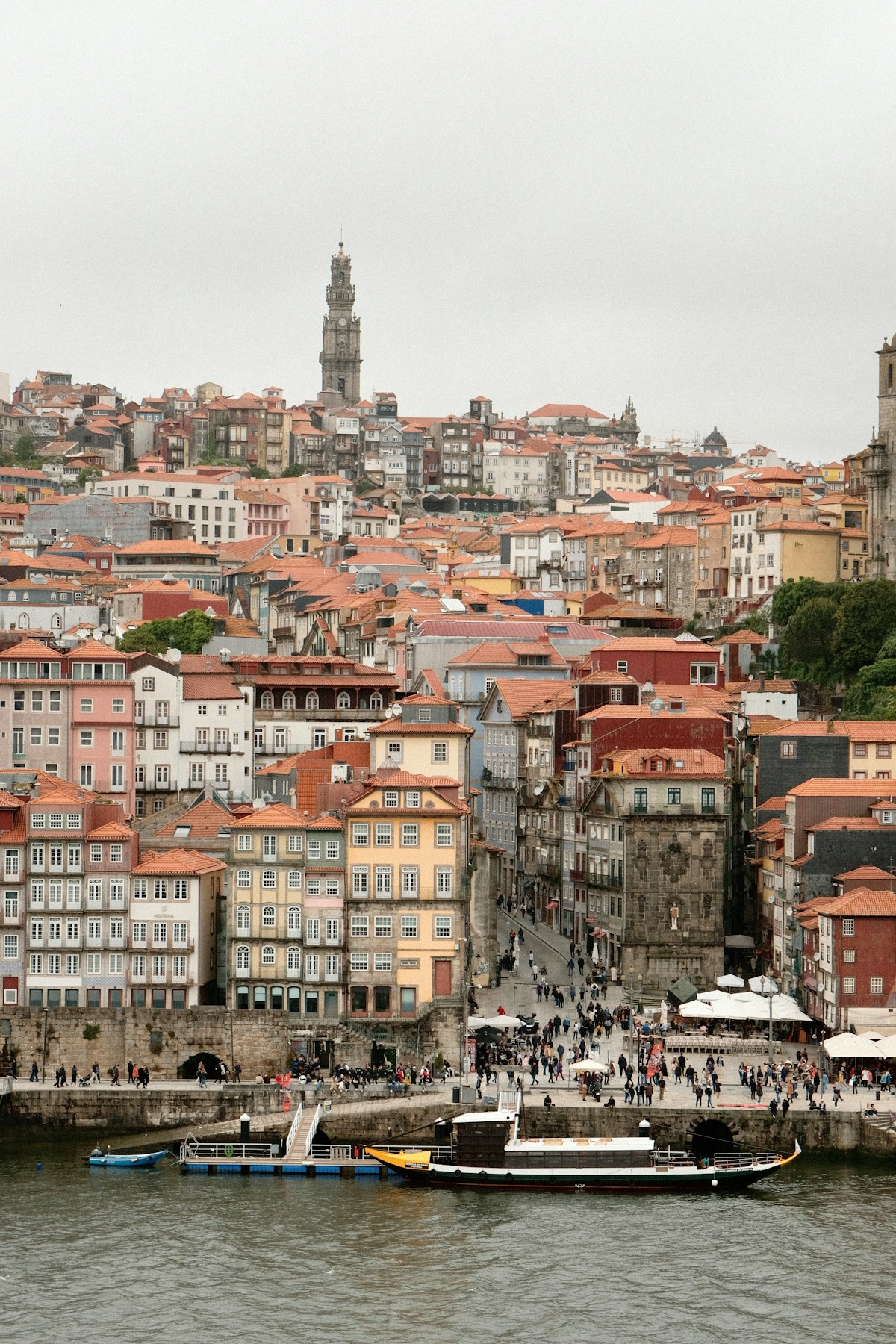
Porto has one of the most distinctive characters of any European city — granite churches, azulejo-tiled facades, port wine lodges across the river in Vila Nova de Gaia, and a food scene that runs from Michelin-starred restaurants to francesinha joints open at 2am. The tour scene here is smaller and less polished than Lisbon’s, which works in visitors’ favour: local guides tend to be more knowledgeable and group sizes are typically smaller. This guide covers the best tours in Porto for 2026, organised by experience type with prices in GBP and EUR.
Quick Comparison: Top Porto Tours at a Glance
| Tour | Duration | Price (from) | Best For |
|---|---|---|---|
| Port Wine Cellar Tour with Tasting | 1.5 hrs | €18 | Wine introduction |
| Porto Food and Wine Walking Tour | 3 hrs | €65 | Food and neighbourhood overview |
| Douro Valley Wine Tour by Minivan | Full day | €70 | Scenic wine country |
| Douro River Cruise with Lunch | 6 hrs | €75 | Relaxed river experience |
| Porto Highlights Walking Tour | 2.5 hrs | €20 | City history and architecture |
| Day Trip to Guimarães | 8 hrs | €45 | Medieval history |
| Day Trip to Braga | 7 hrs | €40 | Religious heritage |
Best Porto Tours by Experience Type
For Wine: Port Wine Cellar Tour in Vila Nova de Gaia
The port wine lodges of Vila Nova de Gaia sit on the south bank of the Douro, directly across the Dom Luis I bridge from central Porto. The big lodges — Graham’s, Taylor’s, Sandeman, Ramos Pinto — all offer cellar tours, but booking through GetYourGuide often gets you better-organised timing and a guide who covers both the winemaking process and the history of the British families who built the port trade in the 18th century.
A port wine cellar tour with tasting in Vila Nova de Gaia typically covers the ageing process in wooden barrels, the difference between ruby, tawny, and vintage ports, and finishes with a tasting of two or three styles. The top lodges also have terraces with excellent views back across the river to Porto’s Ribeira district.
Duration: approximately 1.5 hours. Price: from approximately €18–€35 per person as of 2026, depending on the lodge and tasting tier. Some lodges charge separately for more premium pours.
Why it suits wine visitors: Port wine is genuinely complex — the range from a basic ruby to a 40-year-old tawny is enormous, and without a guide explaining the production differences, most visitors end up tasting blind. The bridge walk from central Porto to the lodges takes 10 minutes and is itself a highlight.
For Food: Porto Food and Wine Walking Tour
A Porto food and wine walking tour takes you through the Bolhão Market area, the Cedofeita neighbourhood, and the Ribeira waterfront, stopping at a francesinha restaurant, a petiscos bar, a tasca for bacalhau, and a specialist pastry shop for pastel de feijão (bean tart — not the same as the Lisbon egg custard tart). Port wine appears at least once, typically at a bar rather than a lodge.
Duration: approximately 3 hours. Price: from approximately €65 per person as of 2026. All food and drink tastings included. Small group.
Why it suits food-focused visitors: Porto’s food identity is distinct from Lisbon’s — the city claims the francesinha (a layered meat sandwich covered in molten cheese and beer-tomato sauce), it has a stronger bacalhau tradition, and its market culture is more working-class and less gentrified than the Lisbon equivalents. A local guide steers you away from the tourist-facing menus near the riverfront and into places where the price-to-quality ratio is genuinely good.
For Scenic Wine Country: Douro Valley Tour by Minivan
The Douro Valley is approximately 90 minutes east of Porto by minivan and one of the most photogenic wine regions in Europe — steep terraced vineyards dropping to the river, stone quintas (wine estates) dating to the 17th century, and a landscape that has barely changed since the port trade began. A Douro Valley wine tour from Porto typically visits two or three quintas for cellar visits and tastings, includes a traditional lunch, and often adds a short boat trip on the Douro.
Duration: approximately 8–10 hours full day. Price: from approximately €70 per person as of 2026. Transport from Porto, lunch, and tastings included. Wine purchases available directly at the quintas.
Why it suits Douro Valley visitors: The train from Porto to Pinhão (the main Douro town) is one of Portugal’s most scenic rail journeys — approximately 2.5 hours and around €15 return — and is worth knowing as a self-guided alternative. The advantage of the minivan tour is that it accesses quintas not on the train line and includes the cellar context that a self-guided stop at a quinta does not. Both approaches work; the tour version covers more ground.
For a Relaxed River Day: Douro River Cruise with Lunch
A Douro River full-day cruise from Porto takes you upstream from the Ribeira quay through the valley’s lower reaches, stopping for lunch at a riverside quinta before returning downstream. You pass under several bridges including the Arrábida (designed by Edgar Cardoso and opened in 1963), through the Crestuma-Lever dam lock, and into the narrower gorge sections where the terraces are most dramatic.
Duration: approximately 6 hours. Price: from approximately €75 per person as of 2026. Traditional lunch at a quinta included. Port wine tasting often included. Return by coach or train available on some variants.
Why it suits relaxed visitors: The cruise requires no walking beyond boarding. It is a good option on warm days when the combination of river breeze and changing scenery is more appealing than a city walk, and a genuinely practical way to see the Douro’s lower valley without a driving licence.
For City History: Porto Highlights Walking Tour
A Porto city highlights walking tour covers the main architectural set pieces in two to three hours: the São Bento railway station (whose interior azulejo panels by Jorge Colaço depict 20,000 hand-painted tiles showing scenes from Portuguese history), the Clérigos Tower, the Cathedral (Sé), the Livraria Lello bookshop exterior (the queues inside make the actual visit time-sensitive), the Ribeira waterfront, and the Dom Luis I bridge.
Duration: approximately 2.5 hours. Price: from approximately €20 per person as of 2026. Small group.
Why it suits history and architecture visitors: São Bento station alone justifies the tour — the tile panels take years to look at properly, and the guide’s explanation of the historical scenes depicted turns what could be a pleasant photographic stop into something genuinely informative. The same applies to the Sé: it looks severe from the outside, but the cloister’s azulejo panels are among the best 18th-century tile work in Portugal.
For Medieval History: Day Trip to Guimarães
Guimarães was the first capital of Portugal — the castle here is where Afonso Henriques, the country’s founding king, was born in 1111. The historic centre is UNESCO World Heritage listed and contains a remarkable concentration of medieval architecture in a compact area: the castle, the Palace of the Dukes of Braganza (partly a ruin, partly a residence museum), and the hilltop chapel of Nossa Senhora da Penha above the city.
A day trip from Porto to Guimarães takes approximately 45 minutes by train (around €3.50 each way) or is included in a guided day tour from Porto that adds transport and a guide for the sites.
Duration: approximately 8 hours. Price: from approximately €45 per person as of 2026 for a guided tour. Self-guided by train is approximately €7 return with paid entry to the castle and palace separately.
Why it suits history visitors: Guimarães is genuinely different from Lisbon or Porto — the medieval street plan has survived, the scale is walkable in a single day, and the castle gives context to the entire history of Portuguese nationhood. The train is cheap and frequent enough that independent travel makes sense; the guided option adds the historical narrative for visitors who want context on the Reconquista period.
For Religious Heritage: Day Trip to Braga
Braga is Portugal’s religious capital — the Bom Jesus do Monte sanctuary above the city is one of the most photographed religious sites in the country, with a baroque staircase of 577 steps rising through sculpted fountains representing the five senses. The city centre has a cathedral that dates to 1070 and a concentration of baroque churches that exceeds any other Portuguese city.
A day trip from Porto to Braga takes 50 minutes by train (approximately €3.70 return) or comes as a guided tour with transport. Some tours combine Braga and Guimarães in a single day, which is ambitious but workable given the proximity.
Duration: approximately 7–9 hours. Price: from approximately €40 per person as of 2026 for a guided combination tour. Self-guided by train costs approximately €7.40 return for both cities if combined.
Why it suits religious heritage visitors: Bom Jesus is genuinely impressive in person — photographs flatten the scale of the staircase, and walking up is a very different experience from the funicular. Braga also has a strong cafe culture (it claims the best coffee in Portugal, a claim Lisbon disputes but cannot entirely dismiss), so the day does not feel exclusively devotional.
Practical Notes for Porto Tour Bookings
Getting to Vila Nova de Gaia independently: The Dom Luis I bridge (upper deck) is a 10-minute walk from the Ribeira. The lower deck crosses at river level. Both are walkable and free. From the upper deck, the view south over the lodge rooftops is one of the best in Porto. No tour needed for the crossing — you can walk to the lodges and book tasting sessions directly at each one.
Port wine pricing: On-site tastings at the major lodges start at around €15 for a basic tour with two pours and rise to €60–€80 for premium vintage tastings. The guided options on GetYourGuide sit in the mid-range and typically get you a more structured experience than arriving unannounced at a lodge counter.
Porto Card: The Porto Card (from approximately €13 for 24 hours) covers unlimited metro travel and discounts at some museums. It makes sense if you plan to use the metro heavily; it does not cover the wine lodges or tour costs.
Peak season: July and August see the heaviest crowds in the Ribeira and at the Douro Valley quintas. Book wine tours and the Douro cruise at least a week in advance. Walking tours in the city are more bookable last minute.
Browse all Porto tours and activities: Tours in Porto | Porto wine tasting guide | Porto food tours
Planning your trip: Porto city guide | Douro Valley day trips from Porto