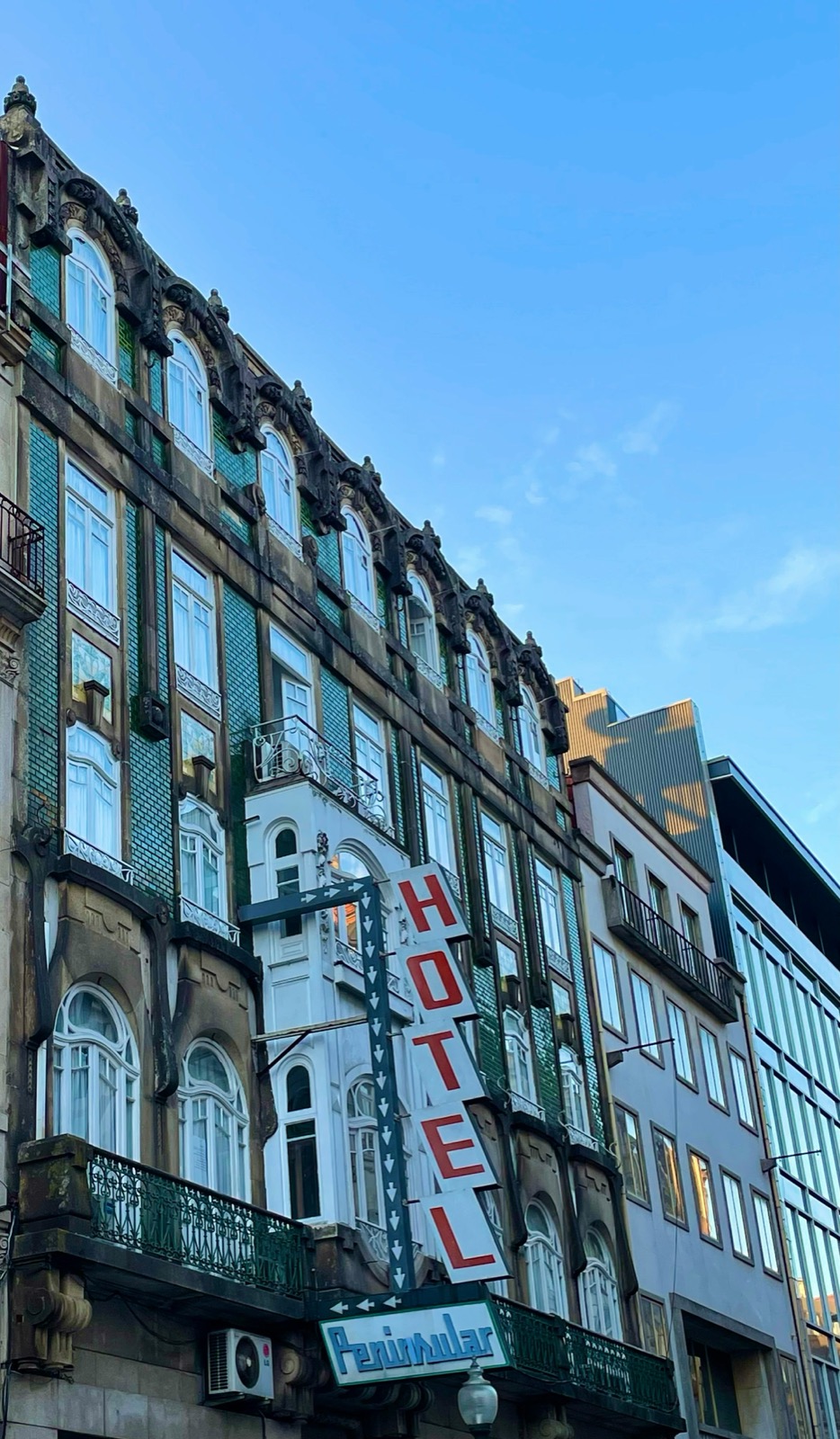
Porto has become one of Europe’s most talked-about short-break destinations, and for good reason. The riverside Ribeira neighbourhood, the ornate São Bento station, the bookshop that inspired Hogwarts, the port wine cellars across the river — Porto packs genuine character into a compact city that rewards slow exploration. See our Porto city guide for the full picture on what to do and see.
Search Porto hotels on Booking.com to compare rates and availability.
Accommodation ranges from backpacker hostels in converted granite buildings to sleek design hotels and full riverside boutique properties. Knowing which area suits your travel style makes a significant difference.
Porto Neighbourhoods: Where to Stay
Ribeira — for atmosphere and the river view
Ribeira is Porto’s postcard neighbourhood: stacked colourful houses, the arc of the Dom Luís I bridge, the riverside promenade. Staying here puts you in the thick of it, close to the boat tours on the Douro and a short walk from the wine cellars in Gaia. The downside is noise on weekend nights and cobblestone streets that make rolling luggage difficult. It suits travellers who prioritise atmosphere over convenience.
Baixa (City Centre) — for access and value
The Baixa runs from São Bento station up towards Clerigos and the Lello Bookshop. It is the most practical base: metro connections, bus links, and walkable access to most major sights. Hotels here offer better value per square metre than Ribeira, and the streets calm down earlier at night.
Bonfim — for character without the crowds
East of the centre, Bonfim has gone through genuine gentrification over the past decade. Independent restaurants, wine bars, and concept stores have filled the ground floors of traditional buildings. Hotels here tend to be smaller and more design-focused, and prices are often 15–20% lower than equivalent Ribeira properties.
Foz do Douro — for the coast
Where the Douro meets the Atlantic, Foz is a residential neighbourhood with wide boulevards, a seafront promenade, and a cooler summer breeze. It is 20–25 minutes from the centre by metro, which makes it a better fit for visitors who want Porto as a base for beach days rather than sightseeing. Hotels here lean towards the mid-to-high end.
Porto Hotels by Budget
Budget — approximately €50–€90 per night
Gallery Hostel (Ribeira) — one of the better-regarded hostels in southern Europe, with private rooms in a 19th-century building on the edge of Ribeira. Rooms are simple but well-maintained; the communal lounge is a genuine point of difference. Approximately €55–€70 per night for a double as of 2026.
Magnolia Hotel (Baixa) — a family-run guesthouse with clean rooms and a practical location near Praça da Batalha. No frills, but good value at approximately €60–€80 per night.
Porto City Hotel (Bonfim) — a straight-forward three-star with consistent reviews in the Bonfim area. Good for travellers prioritising location over design. Approximately €65–€85.
Mid-range — approximately €90–€180 per night
Maison Particulière Porto (Baixa) — a well-reviewed boutique property in a restored building, with en-suite rooms, a communal breakfast table, and personal service. Approximately €100–€140 per night.
Hotel Torel Avantgarde (Bonfim) — a design hotel spread across several interconnected townhouses, with individually decorated rooms and a rooftop terrace. The views over the city are a significant draw. Approximately €130–€180 per night.
Flow Hostel & Suites (Bonfim) — larger rooms and suites in a Bonfim building with a rooftop pool. Suits travellers who want social atmosphere with private rooms. Approximately €90–€120.
Luxury — approximately €180–€350 per night
The Yeatman (Vila Nova de Gaia) — technically across the river, but worth including. A wine hotel with one of Porto’s best spas and a Michelin-starred restaurant, with rooms looking back across the Douro to Porto. Approximately €250–€350 per night, depending on season.
Belmonte Palace Hotel (Porto Centre) — a historic palace converted into a luxury hotel, with large suites, original period features, and a garden. One of the most distinguished addresses in the city. From approximately €200 per night.
Hotel Infante de Sagres (Aliados) — a classic five-star in an art deco building near the Aliados boulevard. Elegant rooms and service standards that have made it a Porto institution since 1951. From approximately €180 per night.
Practical Advice for Booking Porto Hotels
Avoid the mistake of booking by map proximity alone. Ribeira hotels look central on a map but many involve multiple staircase climbs from the street — Porto’s hills are not exaggerated, and carrying bags up 80 stone steps at the end of a travel day is genuinely miserable. Check whether properties have lifts and level street access before booking.
Porto airport is 11 km from the centre. The metro Purple Line (E Line) runs directly from the airport to Trindade station in the centre in approximately 30 minutes. Taxis cost approximately €20–€25 as of 2026.
The best value season is March–May and October. Summer is peak season with prices at their highest; winter brings good value but more rain. The shoulder months have the best combination of weather, fewer crowds, and lower rates.
Parking is limited and expensive in the centre. If you have a hire car, check whether your hotel has parking or budget for a nearby garage (approximately €15–€20 per day). Arriving by train from Lisbon — around three hours on the Alfa Pendular — avoids the issue entirely.
Our Porto city guide covers attractions, restaurants, and day trips worth building around your accommodation choice.