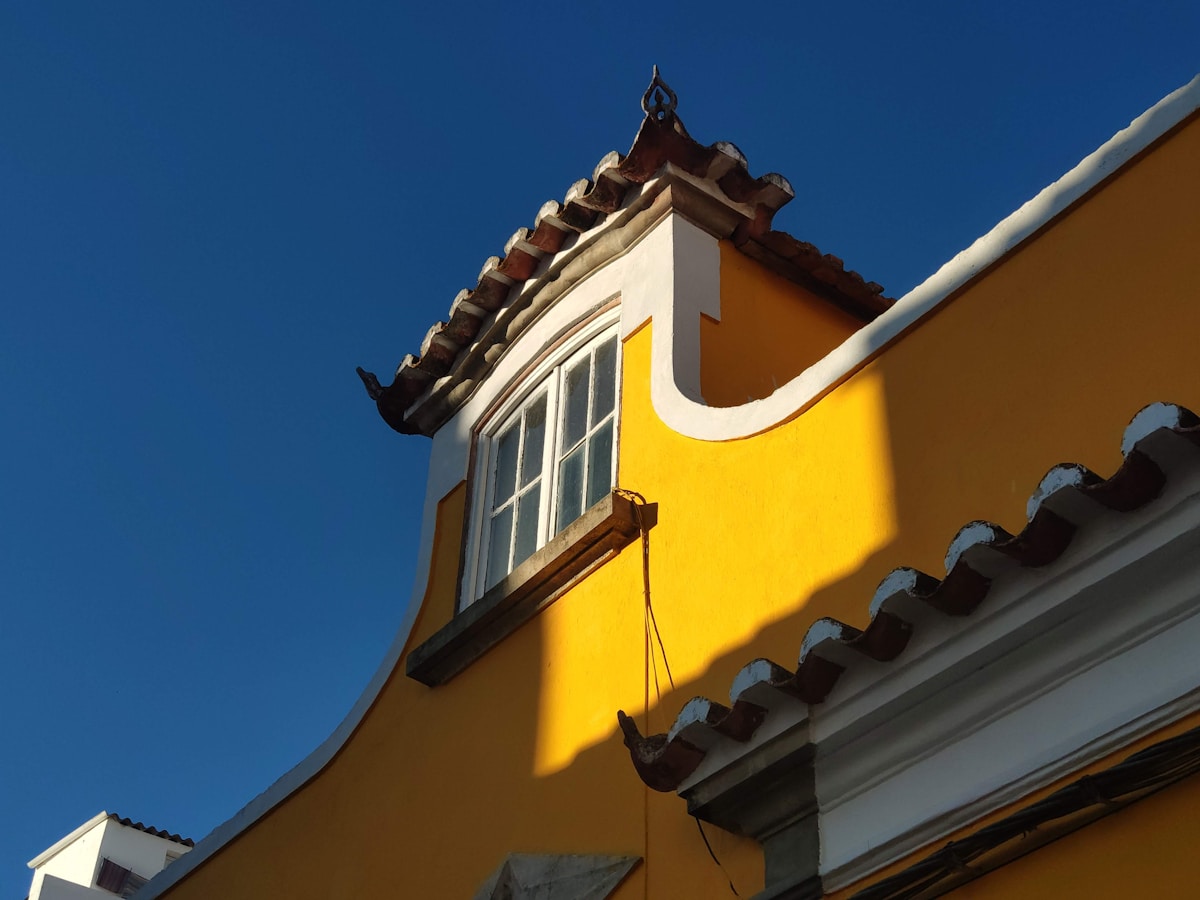
Faro doesn’t always make the shortlist when visitors plan their Algarve stay, but it should. It’s the region’s only proper city, has a medieval old town that most tourists skip entirely, and sits at the edge of the Ria Formosa Natural Park — a lagoon system of islands and channels that makes for excellent boat trips and birdwatching. See our Faro city guide for the full overview; this page covers accommodation specifically.
Prices in Faro run consistently lower than resort-heavy Albufeira or Vilamoura, and the airport connection means arriving without paying Algarve peak pricing for a taxi halfway across the coast.
Old Town (Cidade Velha)
The historic centre sits inside Roman and Moorish walls, centred on the Largo da Sé and the cathedral. It’s the most atmospheric area to stay but the least commercially developed — you’ll find a handful of guesthouses and small boutique hotels rather than a strip of larger options.
Budget — approximately €45–80 per night (as of 2026):
Residencial Oceano and similar pension-style guesthouses operate in the streets just outside the walls. Private rooms with en-suite bathrooms in this bracket are modest but clean, and the location is genuinely central. The city youth hostel (Pousada da Juventude de Faro) sits slightly further out near the bus station — private rooms from approximately €40 as of 2026, doubles slightly more.
Mid-range — approximately €85–150 per night (as of 2026):
Hotel Eva is the most recognisable mid-range option, situated directly on the waterfront with views over the marina and lagoon. Rooms facing the water cost more — worth the premium given how pleasant the outlook is in the evening. Albacor Hotel near the marina is a quieter alternative at similar prices.
Upscale — approximately €160–220 per night (as of 2026):
Boutique options within or immediately adjacent to the old town walls represent the top of the Faro market. These are small operations — four to twelve rooms typically — and book up fast in summer. Expect individually decorated rooms, air conditioning, and often a rooftop or terrace view over the walls and estuary.
Marina and Waterfront Area
The marina sits on the western edge of the city centre and is the most commercially active part of Faro — restaurants, cafés, and a ferry terminal for boat trips into the Ria Formosa. Hotels here tend to be larger and more standardised than the old town options, but the waterfront access is appealing.
This area suits visitors who want convenience (short airport taxi, direct access to boat trips) more than atmosphere. Mid-range options in the marina zone run approximately €80–130 per night in shoulder season as of 2026.
Near the Airport and Stadium
Several three and four-star hotels cluster in the business district between the airport and the stadium — useful mainly for early departures or late arrivals. They’re functional rather than atmospheric, priced at approximately €60–110 per night as of 2026, and include the larger chain-brand options most familiar to business travellers.
If your Algarve trip starts in Faro, sleeping one night here on arrival before moving further west makes logistical sense. If you’re ending your trip here, the same applies — arrive the night before a morning flight, and you don’t need to manage taxis from distant resort towns.
Getting to the Beach from Faro
Faro is not a beach town — the city itself sits on the lagoon, not open coast. The main beach option is Ilha de Faro, reached by city bus (line 16) to Faro beach terminal, then a 2-minute ferry crossing for approximately €1 as of 2026. In summer, ferries run frequently and the island beach gets busy by mid-morning.
The Ria Formosa islands — Ilha Deserta, Ilha do Farol, and others — are reached by private boat tour from the marina. These are among the best beaches in the Algarve precisely because access requires effort. See our Faro day trips guide for operator details and prices.
Getting to and from Faro
By plane: Faro Airport (FAO) handles direct flights from most major UK and European airports. It is Portugal’s busiest regional airport in summer.
By train: Faro connects to Lagos (approximately 1 hour 40 minutes, change at Tunes) and to Tavira (approximately 25 minutes). Direct Intercidades trains to Lisbon take around 3 hours 10 minutes. The train station is a 5-minute walk from the marina.
By car: The A22 connects Faro to the western Algarve. Parking in the city centre is available at the marina car park — approximately €8–10 per day as of 2026.
When to Visit
The shoulder seasons (March–May and September–October) give the best balance of weather and value. Faro gets genuinely hot in July and August — typically 30–35°C — and the city feels more crowded with transit traffic (people arriving or leaving) than with visitors who’ve actually stopped. Spring brings lower prices, fewer crowds, and the old town at its most pleasant.
Summary
Faro is the right choice for Algarve visitors who want a base with character rather than a purpose-built resort. It’s cheaper, more authentic, and better connected than most of the coast’s alternatives. The airport proximity makes it logistically easy, and the Ria Formosa gives it an accessible natural attraction that no amount of resort development can replicate.