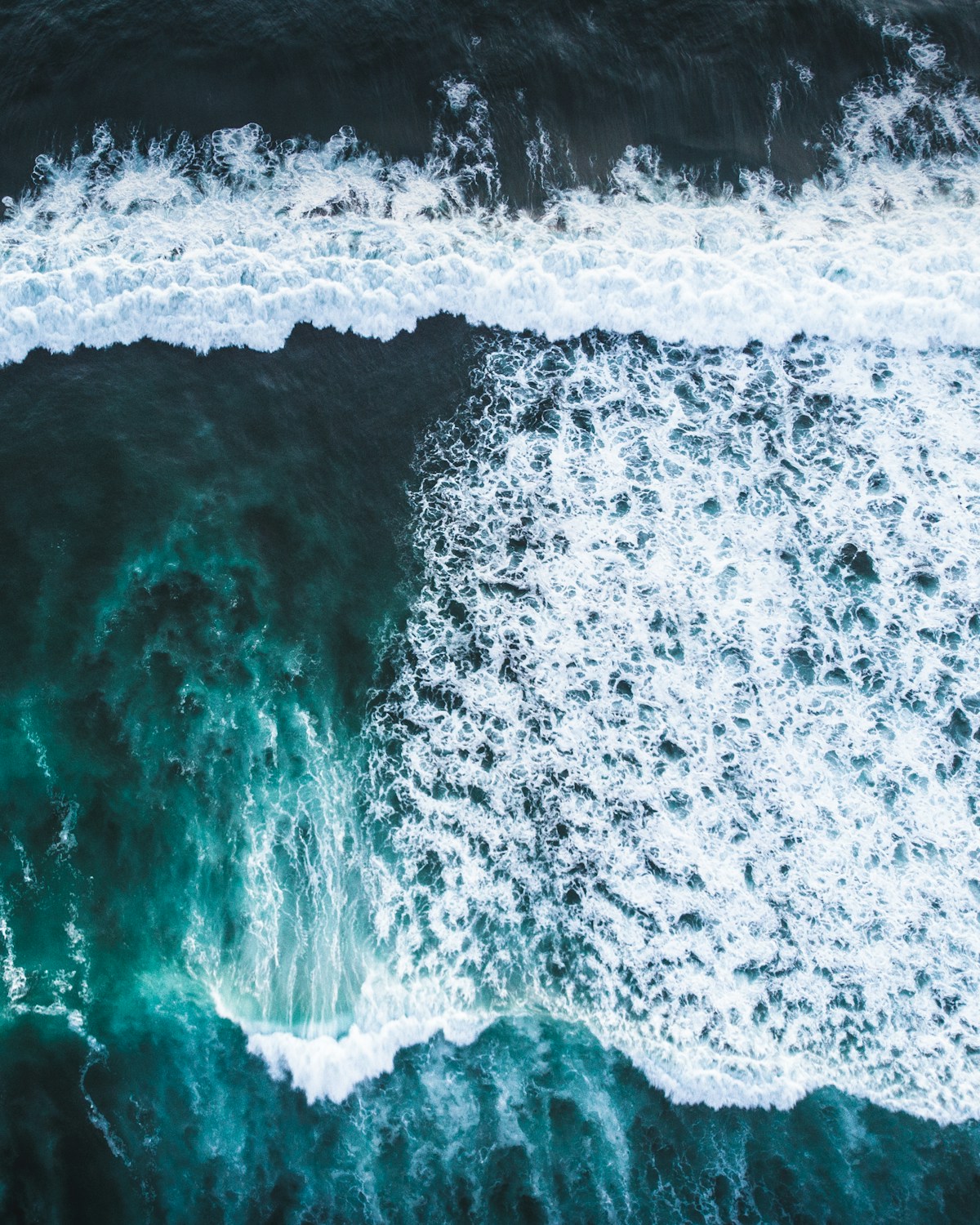
The Costa Vicentina is the last wild coastline in western Europe. Running 120km from Sines in the Alentejo south to Sagres at Portugal’s southwestern corner, it is protected as part of the Southwest Alentejo and Vicentine Coast Natural Park - the largest protected coastal area in western Europe. The protection matters because it means no resort development, no apartment towers, no beach clubs. The towns are small, the infrastructure is minimal, and the waves are among the best and most consistent in Portugal.
The surf coast centres on the town of Aljezur, in the northern Algarve, 15km from the most accessible breaks. Four beaches within 20km of Aljezur - Arrifana, Monte Clérigo, Bordeira, and Odeceixe - cover a range of conditions and levels. This is the area to base yourself.
The Breaks
Arrifana
A sheltered bay on the Alentejo coast, 9km west of Aljezur by road. The bay is enclosed by steep cliffs that provide some protection from the prevailing northwest wind - making Arrifana the most likely break on the Costa Vicentina to be surfable in the Nortada. A left-hand point break works off the south headland on northwest swells; the main beach break in the centre of the bay handles most swell directions.
Point break: works on solid northwest swells (1.5–3m+). The left runs for 80–120m on good days, peeling off a rock ledge. Consistent and well-shaped when working. Level: intermediate–advanced.
Beach break: multiple peaks across the bay, works in most conditions. The most beginner-accessible section on the Costa Vicentina - some surf schools operate from Arrifana for this reason. Level: beginner–intermediate on small days.
Arrifana village sits on the cliff above - a handful of restaurants, a small car park, and surf school operations. Arrifana Surf Lodge runs lessons (€35/hour for beginners, group) and board hire (€20/day for a soft-top). The cliff walk north from the village gives views of the point break and the coast; 30 minutes return.
Monte Clérigo
5km north of Arrifana, a beach break exposed to the full northwest. Wider and more open than Arrifana - when the swell is running and the Nortada is not blowing, this is among the better beach breaks on the coast.
Conditions: a west or southwest wind (offshore here) is needed for quality. On the common northwest wind days, conditions deteriorate quickly. Best surfed in early morning before the Nortada establishes, or in autumn/winter when swell and wind align less predictably.
The village above the beach is minimal - a campsite (Parque de Campismo Monte Clérigo) and a basic café. The car park is free. Level: intermediate on moderate swells.
Bordeira (Carrapateira)
The most dramatic surf location on the Costa Vicentina. A wide river mouth beach (the Bordeira river empties here) backed by dunes and flanked by cliffs. The beach is approximately 1.5km long; the sandbars shift with river flow and swell, but consistent peaks form along most of the beach face.
The break gets bigger and heavier than Arrifana - exposed directly to northwest swell with no headland protection. On a solid autumn swell (2–3m faces), Bordeira is a powerful and fast beach break that rewards experienced surfers. On the many days when the Nortada is blowing, it is choppy and frustrating.
Access: the village of Carrapateira (2km inland) has a small café and no surf shops. A wooden boardwalk crosses the dunes to the beach from the car park. Arrive early for parking in summer.
Nearby: Praia do Amado (2km south of Bordeira) has one of the most established surf schools on the Costa Vicentina (Amado Surf Camp, lessons from €35/day) and slightly more shelter. Worth checking as an alternative.
Level: intermediate–advanced. Not recommended for beginners.
Odeceixe
The northernmost of the Aljezur-area breaks, where the Seixe river meets the sea inside a protected bay. The most family-friendly beach on the Costa Vicentina - the river creates a calm inner lagoon suitable for swimming, while the beach break at the river mouth and the south-facing section work on different swell directions.
Odeceixe village is 3km inland - a compact hilltop town with a campsite, a few cafés, and accommodation. The drive down to the beach is steep and narrow. In summer, the car park at the beach fills by 10am; out of season, it is rarely crowded.
Break: the south section of Odeceixe beach is sheltered from north wind by the headland - making it a consistent option when other Costa Vicentina breaks are blown out. Small to medium waves, beach break. Level: beginner–intermediate.
Best Season for Surfing the Costa Vicentina
October–March (winter): the most consistent and powerful swells. North Atlantic storm systems send regular northwest swells down the coast, producing overhead to double-overhead waves at Bordeira and Arrifana point. Water temperature drops to 14–16°C - a 4/3mm wetsuit is essential, and booties are recommended from December to February. Fewer crowds, but some days are too big or too stormy to surf safely.
April–June (spring): the best overall quality. Swell size drops to head-high and cleaner conditions are more frequent, with more offshore wind days and longer daylight. Water warms to 16–18°C (3/2mm wetsuit). This is the ideal window for intermediate surfers who want consistent waves without winter intensity.
July–September (summer): the Nortada (strong northwesterly wind) dominates, blowing onshore at most breaks and making conditions choppy by mid-morning. Early morning sessions before the wind establishes (before 10am) can be good. Swell is smaller and less consistent. Water reaches 19–21°C (a 2mm shorty or spring suit is sufficient). This is the busiest period - surf camps are full, car parks at Arrifana and Bordeira fill by 9am, and lesson groups occupy the main peaks.
Difficulty by Break
| Break | Best Level | Notes |
|---|---|---|
| Arrifana (beach) | Beginner–intermediate | Shelter from Nortada, surf schools operate here |
| Arrifana (point) | Intermediate–advanced | Left-hand point, needs solid NW swell |
| Monte Clérigo | Intermediate | Exposed, needs offshore wind |
| Bordeira | Intermediate–advanced | Powerful beach break, no shelter |
| Praia do Amado | Beginner–intermediate | Surf school base, more accessible than Bordeira |
| Odeceixe (south) | Beginner–intermediate | Sheltered from north wind, calm inner lagoon |
Beginners should start at Arrifana beach or Praia do Amado, where surf schools operate daily in season and the beach breaks are forgiving on smaller days. Intermediate surfers will get the most from spring sessions at Bordeira and Monte Clérigo. Advanced surfers should target Arrifana point on solid northwest swells in autumn and winter.
Road Tripping the Costa Vicentina
The standard approach is to base in Aljezur and check conditions each morning before choosing a beach. The distances are manageable - Arrifana (9km), Monte Clérigo (10km), Bordeira (17km), Odeceixe (14km) - and each beach faces slightly differently, so a combination of swell forecast and wind direction tells you which will be cleanest.
Aljezur as a base: the town is functional rather than attractive but well-placed. The central Aljezur supermarket is useful for self-catering supplies. Several surf lodges and guesthouses operate in and around the town.
North extension: if you have more days, extending north towards Sines adds the beaches of Almograve (powerful and remote) and Vila Nova de Milfontes (river mouth beach, good for all levels). These beaches are 50–80km north of Aljezur but remain within the natural park.
South connection: Sagres is 40km south of Aljezur. The Sagres peninsula - with Tonel, Beliche, and Castelejo beaches - adds variety and offers different swell exposure. See our Sagres guide for that section.
Getting There
From Faro Airport: 110km north via the A22 and N120. Allow 1 hour 45 minutes.
From Lagos: 50km northwest via the EN120. Allow 1 hour.
From Lisbon: 230km south on the A2 to Ourique, then west on the N123 to Aljezur. Allow 3 hours.
Where to Stay
Surf lodges: Aljezur Surf Lodge (dorms €30–40, private rooms €80–120) and Costa Vicentina Surf Retreat (private rooms €90–150, meals included) are the established operations. Both include board hire and transport to the day’s best break.
Campsites: Parque de Campismo do Serrão (near Aljezur), Parque de Campismo Monte Clérigo, and the campsite at Odeceixe. All basic but well-maintained. €12–20/night per tent plus person.
Guesthouses: Casa Mãe Aljezur (Rua do Mercado, Aljezur), small guesthouse with self-catering kitchen, €75–110/night.
Search hotels in Aljezur Portugal on Booking.com to compare rates and availability.
What to Know Before You Go
Food: Aljezur has a good Sunday market (produce, cheese, bread). Restaurants in town include Tasca do Celso (good bacalhau and pork dishes, €18–25pp) and O Barão (grilled fish with Atlantic view from the terrace, €25–35pp).
Surf forecasts: Windguru and Surf-forecast.com are both widely used. Surf Guide Algarve on Instagram posts daily break reports with photos - useful for a quick check.
Natural Park rules: the Costa Vicentina is a protected natural area. Camping outside designated sites is illegal. Fires on the beach are prohibited. The park enforcement is real; fines are issued.
car hire in Portugal is the most practical way to move between breaks - most of Portugal’s surf beaches are poorly served by public transport.
an eSIM for Portugal keeps you connected for real-time surf reports and swell forecasts. For guided surf lessons and camp packages, browse tours across Portugal.
The Costa Vicentina Region
The surf coast is part of the wider Costa Vicentina region - one of Portugal’s most protected coastlines. For context on the surrounding landscape and the natural park, see our regional guide. The Sagres surf guide covers the peninsula at the southern end of this coast. The Algarve region guide provides context for the transition from the wild Costa Vicentina to the more developed eastern Algarve, including Lagos as a practical base for combining surfing with sightseeing. For dolphin watching boat trips that operate from the same stretch of coast, see our dolphin watching Algarve guide. To plan a surf trip across the whole coastline, see the surfing Portugal guide.