São Jorge Island Guide - Fajãs, Hiking & Azores Cheese
São Jorge island guide - dramatic fajã coastal plains, PR1-3 hiking trails, PDO cheese, and the Triangle ferry to Faial and Pico.
Guides for São Jorge
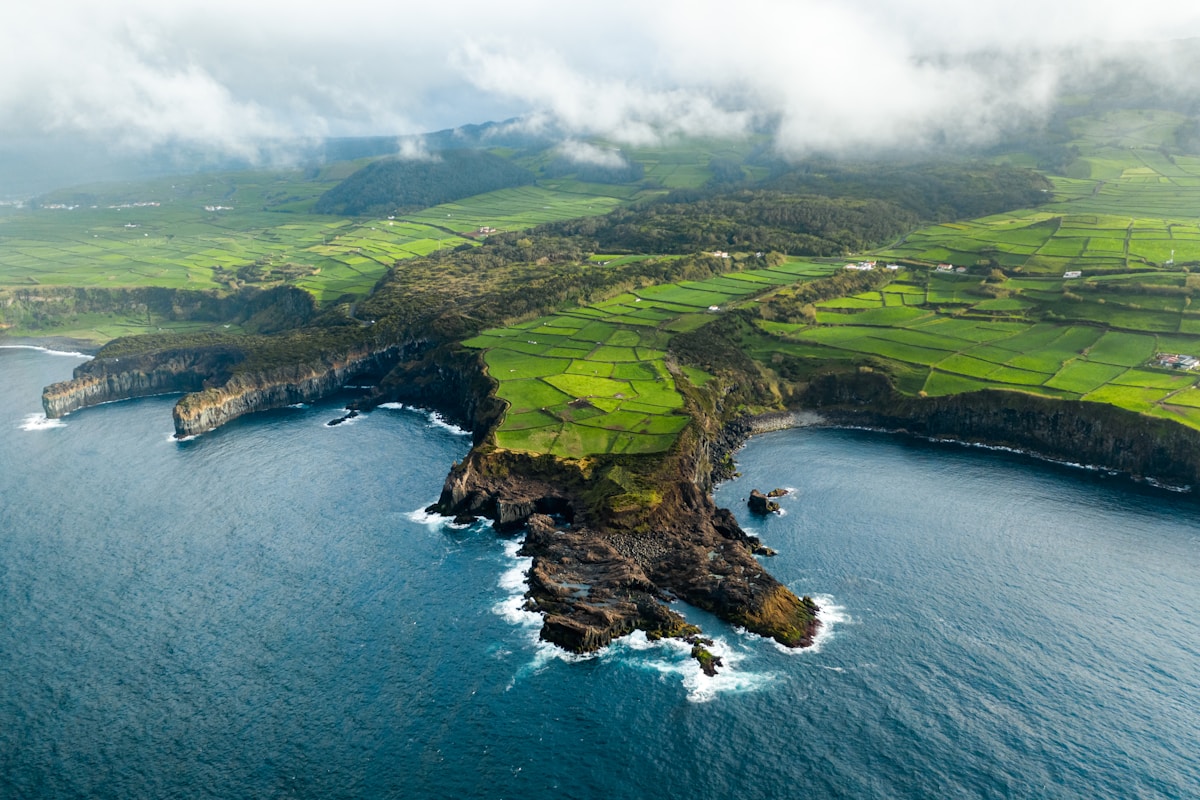
São Jorge is one of the most dramatic islands in the Azores - a long, narrow ridge of volcanic rock rising steeply from the Atlantic, 56km long but only 8km wide at its broadest point. The cliffs on both sides drop several hundred metres to the sea, broken by fajãs: flat coastal plains where communities have lived for centuries in near isolation. There are no sandy beaches and no airport connections to Portugal’s mainland (flights go via São Miguel), which keeps São Jorge quieter than Faial or Terceira while delivering hiking and landscape that match or surpass them.
Getting There
SATA operates inter-island flights from São Miguel (Ponta Delgada) to São Jorge Airport (SJZ), near Velas, in around 30 minutes. Direct flights from Lisbon are available but typically require a stop.
By sea, Atlanticoline ferries connect Velas with Horta (Faial) in approximately 75 minutes and Madalena (Pico) in around 40 minutes. Schedules are seasonal - frequency increases significantly from May through September. Fares are approximately €12–16 per crossing. Car hire is available at the airport and from agencies in Velas - essential if you want to reach the more remote fajãs.
The Fajãs
São Jorge has 42 fajãs, distributed along both the north and south coasts. Most are reached by steep, narrow roads that descend hundreds of metres from the island’s central plateau to sea level. Two stand out:
Fajã dos Cubres is on the north coast, accessible by a paved road and connected to a brackish lagoon that attracts migratory birds. The sheltered bay here is the site of one of the only natural surf breaks in the Azores that works consistently - the break is known in the international surfing community as the Cubres left. Getting out requires timing around swells and local advice.
Fajã da Caldeira de Santo Cristo is the most remote and arguably the most spectacular. It takes 2–3 hours to reach on foot from the plateau (the PR3 trail - see below) or a rough 45-minute drive. A small community lives here permanently; the fajã is known for its clam lagoon (ameijoas da Caldeira de Santo Cristo), a brackish natural habitat where hard-shelled clams are harvested by local families. You can eat them in the two small restaurants on the fajã during the summer months - there are no other food options.
Hiking Trails
São Jorge has some of the best-maintained trail infrastructure in the Azores. The three principal routes are:
PR1 - Topo to Fajã dos Cubres (approximately 14km, 4–5 hours): Runs along the north coast between the eastern village of Topo and Fajã dos Cubres, dropping from the plateau to the coast and back. Spectacular cliff views throughout. Moderate difficulty with some steep sections.
PR2 - Caminho Velho (approximately 10km, 3–4 hours): A historic trail that traverses the central spine of the island from Velas toward the east, following old cobbled paths through farming villages. This is the classic cross-island walk and is suitable for most fitness levels.
PR3 - Norte Grande to Fajã da Caldeira de Santo Cristo (approximately 12km one-way, 3–4 hours): The most dramatic trail, descending steeply from Norte Grande on the north plateau to the Caldeira de Santo Cristo fajã. The descent involves around 600m of altitude loss on switchback paths through dense vegetation. Return by the same route adds another 3–4 hours - most walkers arrange a lift back to the plateau.
Trails are well-marked with yellow and red cairns. Hire a local guide for the PR3 if you’re unfamiliar with the terrain - the descent is straightforward but the trail junction near the fajã can be confusing.
São Jorge Cheese
The island produces one of Portugal’s most distinctive cheeses. Queijo São Jorge DOP has been made here since the 15th century, when Flemish settlers introduced dairy cattle. The cheese is aged in cylindrical wheels of around 8–12kg for a minimum of three months (young / jovem), six months (semi-cured / meia cura), or 12+ months for the aged (curado) version.
It is available in almost every shop in Velas and at the Fábrica do Queijo de São Jorge in Casais, near the centre of the island - the cooperative that produces the majority of certified DOP cheese. The factory has a small visitor centre with guided tours (approximately €5, book in advance during summer) and a shop where you can buy direct at prices below mainland supermarkets. The six-month semi-cured is the best balance of sharpness and texture; the 12-month curado is intense and works well with Pico wine.
The Triangle Islands
São Jorge sits at one corner of the Triangle - the central Azores cluster with Faial and Pico visible on clear days from the island’s plateau. Ferry circuits connecting all three are straightforward:
- Velas (São Jorge) to Horta (Faial): ~75 minutes, approximately €15
- Velas (São Jorge) to Madalena (Pico): ~40 minutes, approximately €12
- Horta (Faial) to Madalena (Pico): ~30 minutes, approximately €6
A triangle circuit over 4–5 days works well with São Jorge as a midpoint - fly into Faial or São Miguel, take the ferry to São Jorge for 2–3 nights, continue to Pico for the mountain, then ferry back to Faial for departure. See our Faial island guide and Pico island guide for the full picture on those islands, and the Azores island-hopping itinerary for a suggested multi-island schedule.
Where to Stay
Aldeia da Fonte Nature Hotel - The best-positioned property on the island, set on the plateau near Rosais on the western end. Converted agricultural buildings around a central courtyard, with views to Faial and Pico on clear mornings. Doubles from approximately €120/night in high season, including breakfast. Good dinner service using local ingredients.
Solar dos Bourbon - A 19th-century manor house in Velas converted to a guesthouse, with high-ceilinged rooms and original wooden floors. Practical for exploring the town and booking ferries. Doubles from approximately €85/night.
Casa da Tia Domingas - A rural guesthouse near Norte Grande, run by a local family. Simple rooms with good breakfasts. Well placed for the PR3 trail to the Caldeira de Santo Cristo. Doubles from approximately €60/night.
Quartos e Serviços na Fajã - Basic accommodation in Fajã da Caldeira de Santo Cristo itself, for those wanting to overnight on the fajã rather than descending at the end of the day. Book well in advance for summer - very limited capacity.
For the full accommodation breakdown including booking tips, see our São Jorge hotels guide.
Search hotels in São Jorge Azores on Booking.com to compare rates and availability.
Planning Your Visit
São Jorge rewards slower travel - the island is not covered in a single day. Two nights is the minimum to walk one major trail, visit a fajã, and explore Velas; three nights is better if you want to combine the PR3 with a cheese factory visit and a day on the plateau.
May through September is the main season. July and August see the most reliable weather but also the most visitors (the island remains uncrowded by most standards). April and October are good for hiking - cooler, fewer people, and the vegetation is at its greenest. The clam season at Caldeira de Santo Cristo runs from approximately March to October.
For things to do beyond the trails - including whale watching departures from Velas and guided fajã walks - see our São Jorge activities guide.
Browse tours in São Jorge for guided whale watching, PR trail hikes, and island-hopping boat trips. An eSIM for Portugal covers the Azores including the outer islands. The Azores region guide has full context on planning an archipelago trip, and our which Azores island guide helps match each island to different travel priorities.
Frequently Asked Questions
- What are fajãs in São Jorge?
- Fajãs are flat coastal lowlands created by ancient lava flows and cliff collapses at the base of São Jorge's sea cliffs. There are 42 fajãs on the island - some are uninhabited, others have small fishing communities, freshwater pools, and surf breaks. The most visited are Fajã dos Cubres and Fajã da Caldeira de Santo Cristo.
- How do I get to São Jorge?
- SATA flies direct from Lisbon (approximately 2 hours) and inter-island from São Miguel. Vila das Velas is the main port - ferries run from Faial (Horta) in around 75 minutes and from Pico (Madalena) in around 40 minutes on the Atlanticoline network.
- What makes São Jorge cheese special?
- São Jorge cheese (Queijo São Jorge DOP) is a semi-hard, full-fat cow's milk cheese aged for a minimum of three months. It holds PDO (Protected Designation of Origin) status, meaning it can only be produced on the island using milk from the Azorean Holstein-Friesian breed pastured on São Jorge's volcanic grasslands. The flavour is sharp and buttery with a firm, slightly grainy texture.
Book an experience
Top experiences in São Jorge
Explore the best tours and activities in São Jorge, with instant confirmation and free cancellation on most bookings.
Where to stay in São Jorge: Find hotels in São Jorge →